20253
-
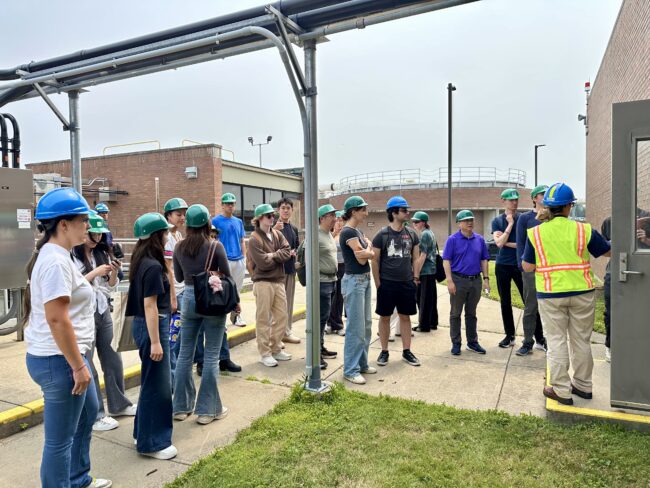
What a Visit to Stamford’s Wastewater and Recycling Facilities Reveals About Our Choices
Columbia’s MPA-ESP students explored Stamford, Connecticut’s Water Pollution Control Authority. They left with as many questions as answers.
-
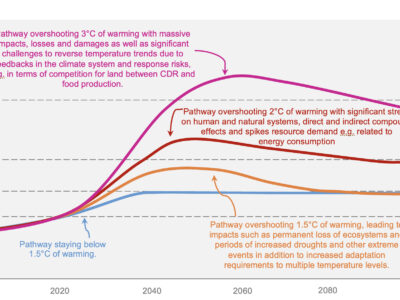
Societies Are Unprepared for the Human Costs of Climate Overshoot
While scientists have made progress describing overshoot’s physical impacts, its humanitarian and social consequences need greater focus, say the authors.
-
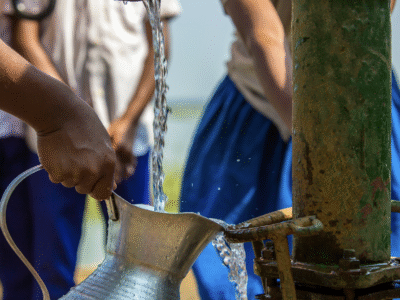
Reducing Arsenic in Drinking Water Cuts Risk of Death, Even After Years of Chronic Exposure
Published today in JAMA, a 20-year study of nearly 11,000 adults in Bangladesh found that lowering arsenic levels in drinking water reduced the risk of death from chronic illnesses, compared with continued exposure.
-
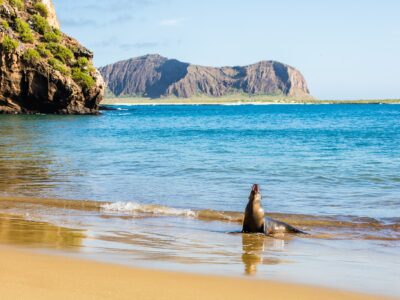
Ecuador’s High-Stakes Vote: Will the Galápagos Become a U.S. Navy Outpost?
Ecuadorians will vote whether or not to overturn the current constitution. If the referendum passes, it will likely dismantle the Rights of Nature, which is indirectly on the ballot, and also formally allow Ecuador to host foreign bases.
-
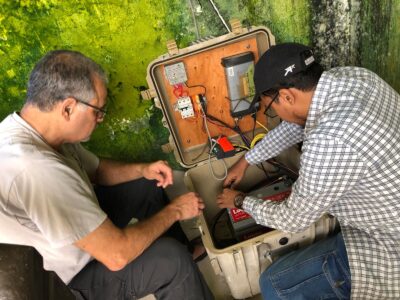
Continuing on to Comilla, Dhaka and the Coast
After finishing fixing their global navigation satellite system equipment in Sylhet, Mike Steckler and his team traveled south to repair more stations in Comilla, then to Dhaka and the coast.
-
Applications Open: Virtual Executive Training on Sustainable Investments in Agriculture
The interdisciplinary program provides an overview of pressing issues related to agricultural investments, as well as an introduction to relevant practical skills.
-

Columbia Climate School Hosts 10th Annual Sustainability Careers Reception
Sustainability professionals and Columbia students from varying backgrounds and degree pursuits gathered to discuss the opportunities, skills and projects in sustainability and climate.
-

Science for the Planet: Financing Sustainable Development
Meet Lisa Sachs—a lawyer who specializes in how public and private investment can help achieve environmental, social and economic goals.
-
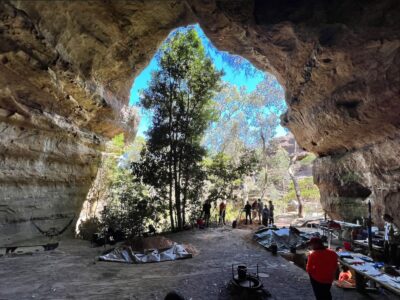
Humans Occupied a High-Altitude Site in Australia During the Last Ice Age, New Study Finds
Archaeologists and local First Nations groups have uncovered early evidence that reshapes our historical understanding of high-altitude human occupation and mobility.


The first Earth Day in 1970 ignited a movement to stop polluting our planet. Today, our scientists and experts are tackling the most pressing challenges to achieve real-world impact. This Earth Day, join us in our commitment to realizing a just and sustainable future for our planet. Visit our Earth Day website for ideas, resources, and inspiration.
