20257
-

Earth’s Crust Is Tearing Apart off the Pacific Northwest—and That’s Not Necessarily Bad News
Using seismic reflection imaging—essentially an ultrasound of the Earth’s subsurface—and detailed earthquake records, researchers captured a subduction zone in the process of tearing itself apart.
-
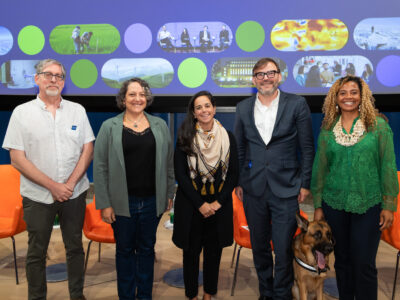
Learning From Local and Global Climate Leaders: Highlights From the Climate School Showcase
As part of this year’s Climate Week NYC, the event included conversations between climate experts, interdisciplinary panels of researchers, and student presentations on the complex issues and possible solutions for the climate crisis.
-
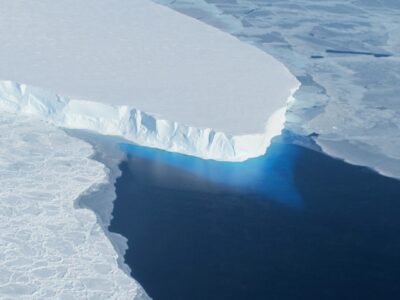
Columbia Will Co-Lead Major Project To Study Global Carbon Cycle
Awarded by Schmidt Sciences, a new grant will provide up to $45 million to four interdisciplinary teams of researchers who will seek to improve climate modeling across land, air and sea.
-
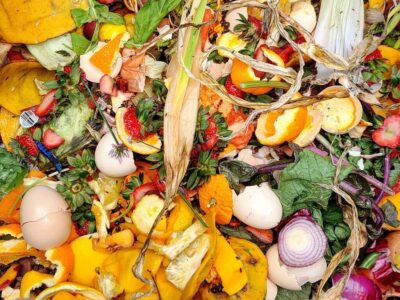
NYC’s Composting Rates Are Low. A Sustainability Expert Thinks AI Will Offer a Solution. Eventually.
Steve Cohen, director of Columbia’s M.S. in Sustainability Management program, discusses the present and future of food waste programs in NYC.
-

Study of Extreme Indian Rainfall Upends Conventional Wisdom
While El Niño often brings drought conditions to India, a new paper shows that it also increases the likelihood of devastating downpours in some of the country’s most heavily populated regions.
-
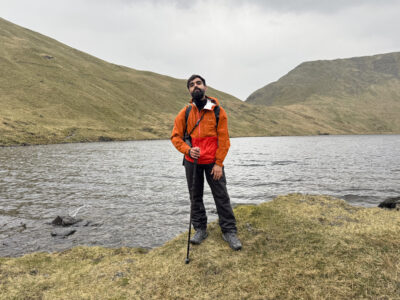
Starting Locally, Thinking Globally: One Student’s Journey to the M.S. in Climate Finance
A recipient of the Stanley Park Climate Finance Scholarship, Pulkit Bajpai helps local governments find and implement the right tools for effective climate adaptation.
-

In Nepal, Scientists and Spiritual Leaders Honor a Dying Glacier
Buddhist monks and scientific researchers came together to commemorate the disappearing Yala Glacier and to raise awareness about glacial loss in the Himalayas.
-

Why Is Modeling Climate More Complex Than Forecasting Weather?
Climate models must simulate many overlapping systems to predict or project future climate.
-

Be Part of Climate Week 2025 at Columbia Climate School
Join us next week for events on resilient water systems, sustainable fashion, the energy transition and much more.


The first Earth Day in 1970 ignited a movement to stop polluting our planet. Today, our scientists and experts are tackling the most pressing challenges to achieve real-world impact. This Earth Day, join us in our commitment to realizing a just and sustainable future for our planet. Visit our Earth Day website for ideas, resources, and inspiration.
