Author: Columbia Climate School

-
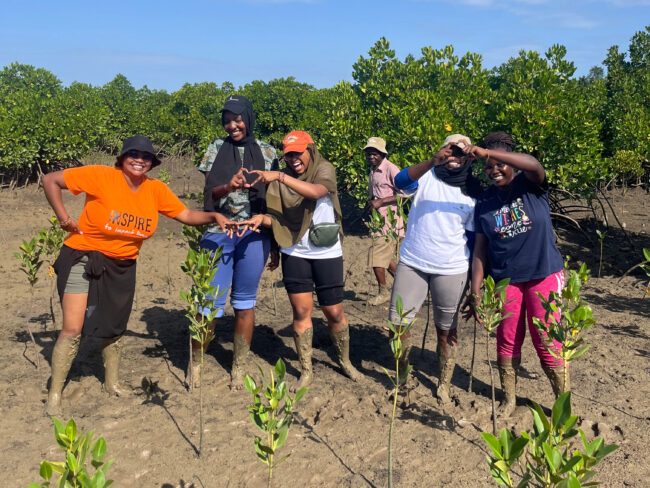
Centering Community in Climate Resilience and Disaster Preparedness
M.S. in Climate student Allison Karabu reflects on the importance of community-based initiatives and finding the right questions to ask to effect real change.
-
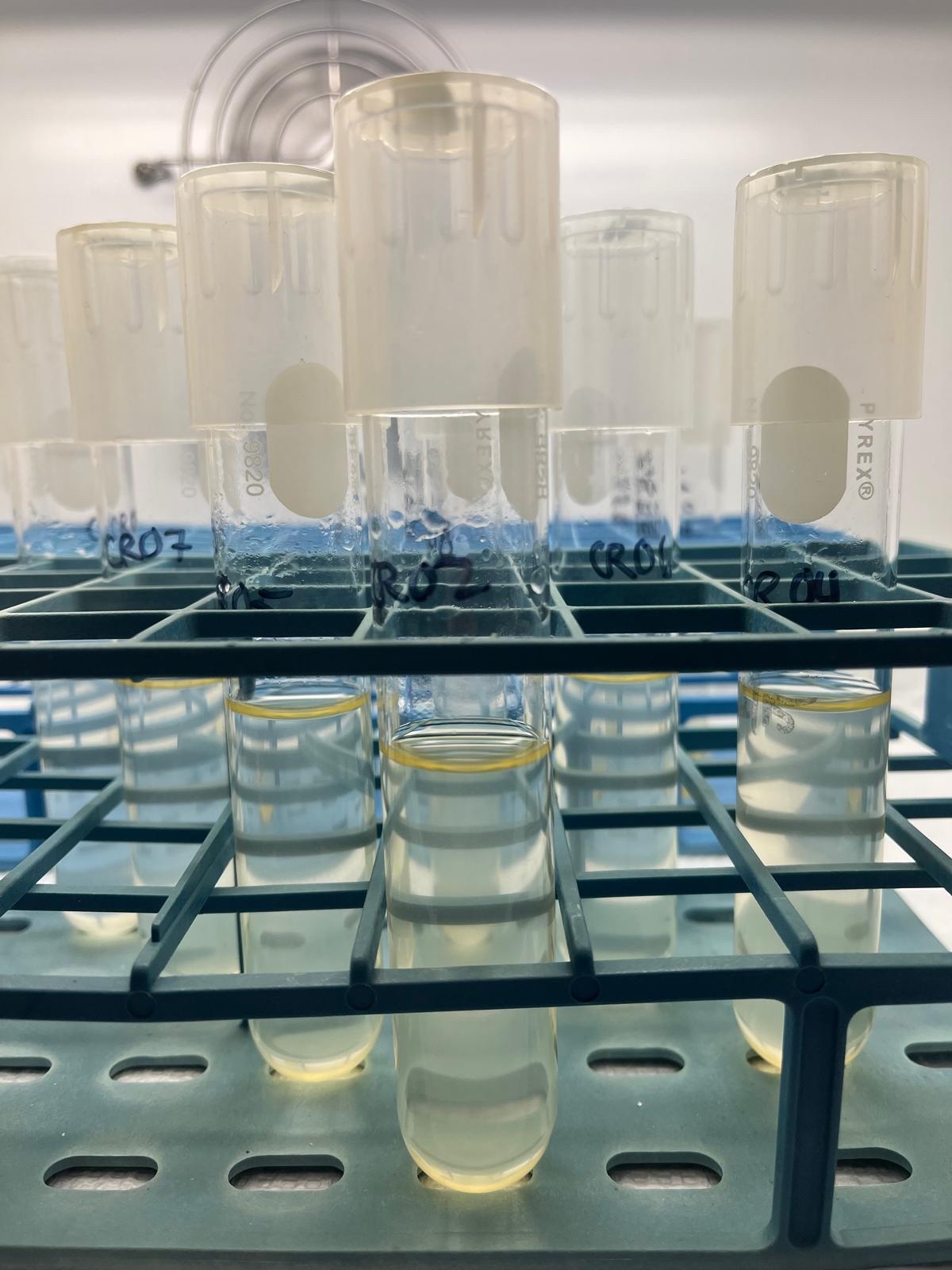
New Study Reveals Hidden “Chemical Currency” Fueling the Ocean’s Carbon Cycle
This research identifies a diverse set of molecules released by marine phytoplankton that fuel microbial life and help drive Earth’s carbon cycle.
-
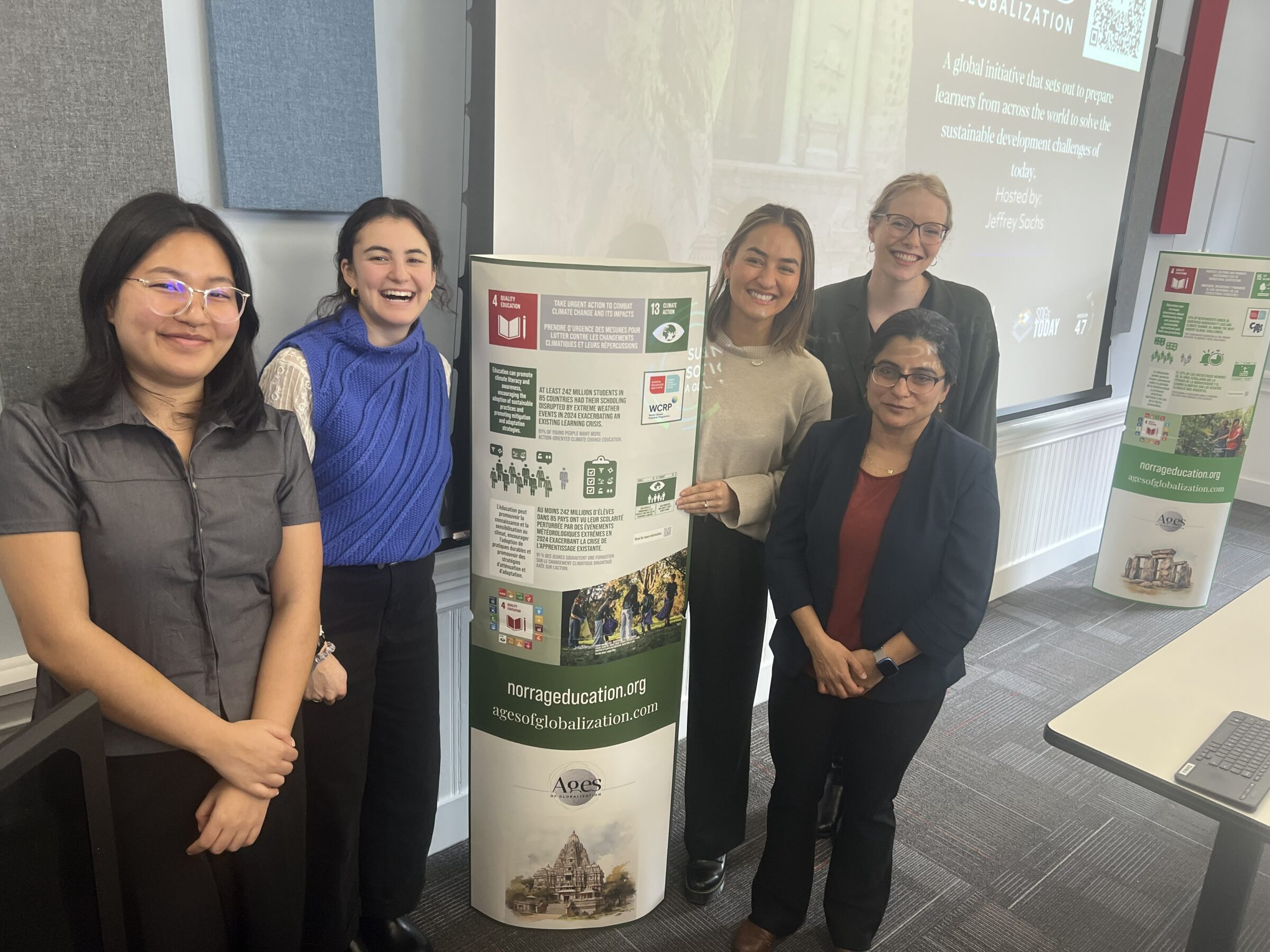
Bringing Climate Research to New York City’s Classrooms
The NYC Mid-Winter Climate Institute brought together K-12 educators to identify meaningful entry points for climate education lessons in their classrooms and beyond.
-
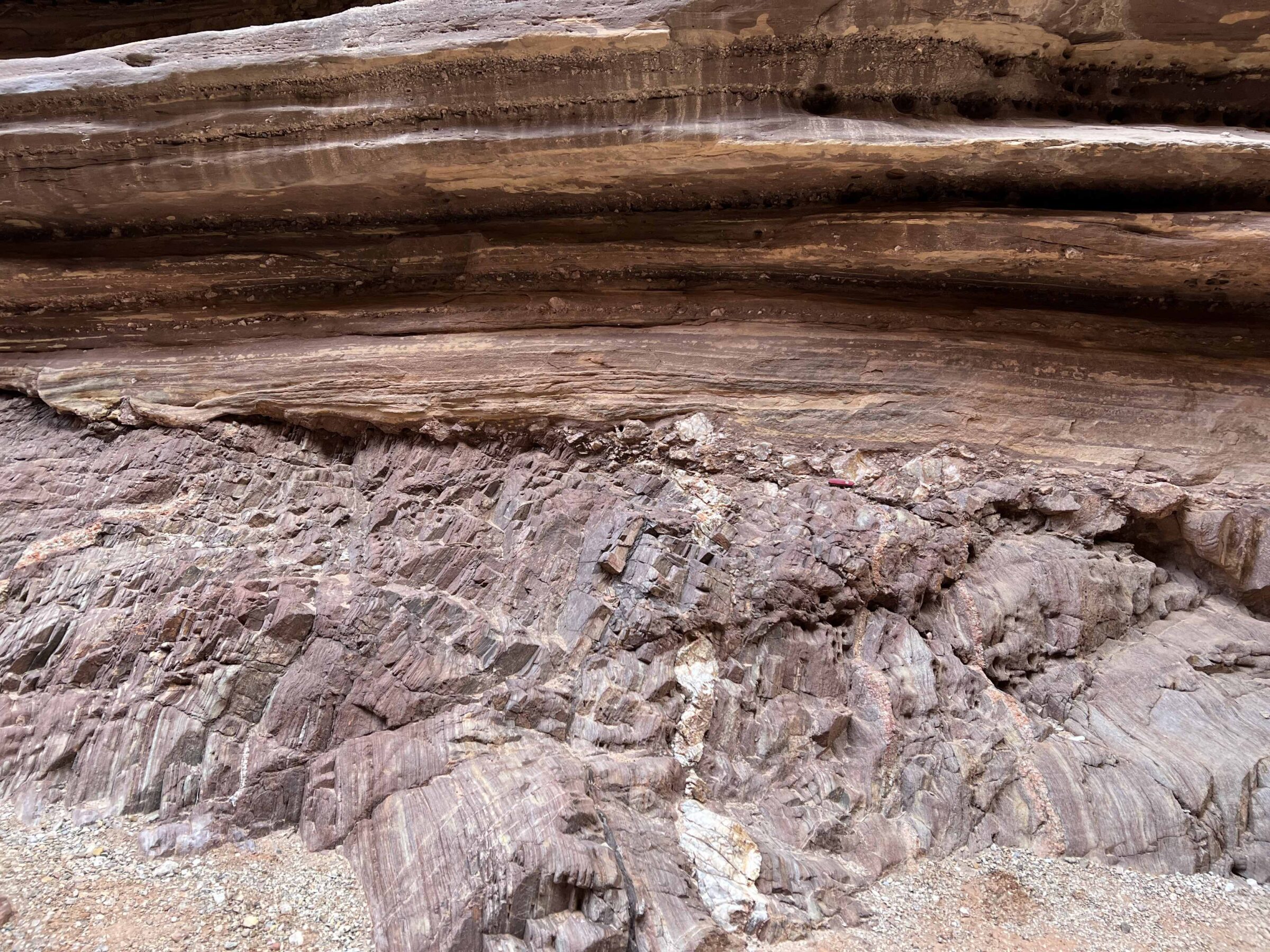
Earth’s “Missing” Billion Years: Study Links the Great Unconformity to Early Tectonics
New findings shed light on a widespread gap in the geologic record, where more than a billion years of Earth’s history appear to have been erased.
-
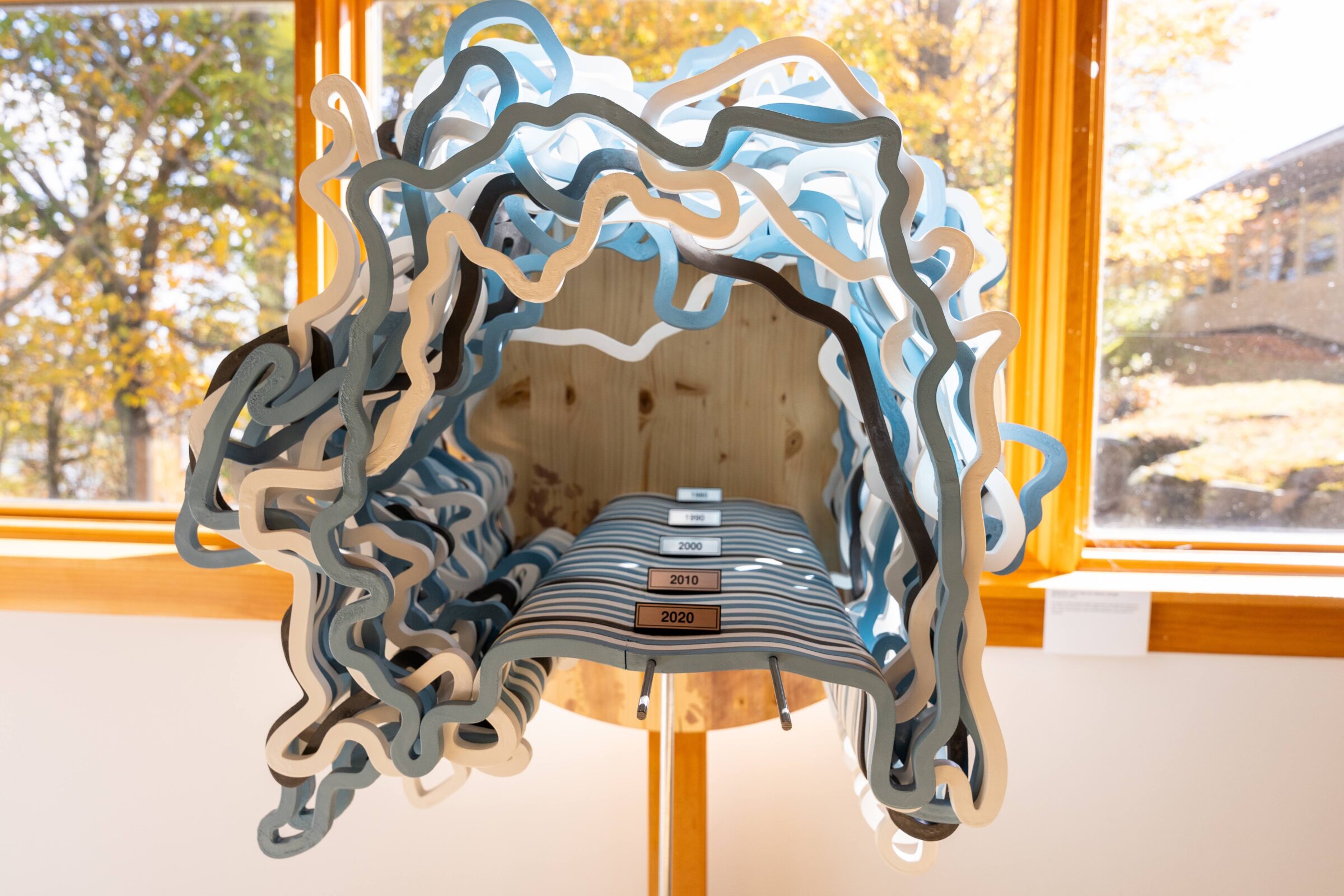
Art Meets Science at Lamont-Doherty Earth Observatory
Lamont’s 2025 Research as Art exhibit provides a platform for scientists to share their research in a creative way.
-
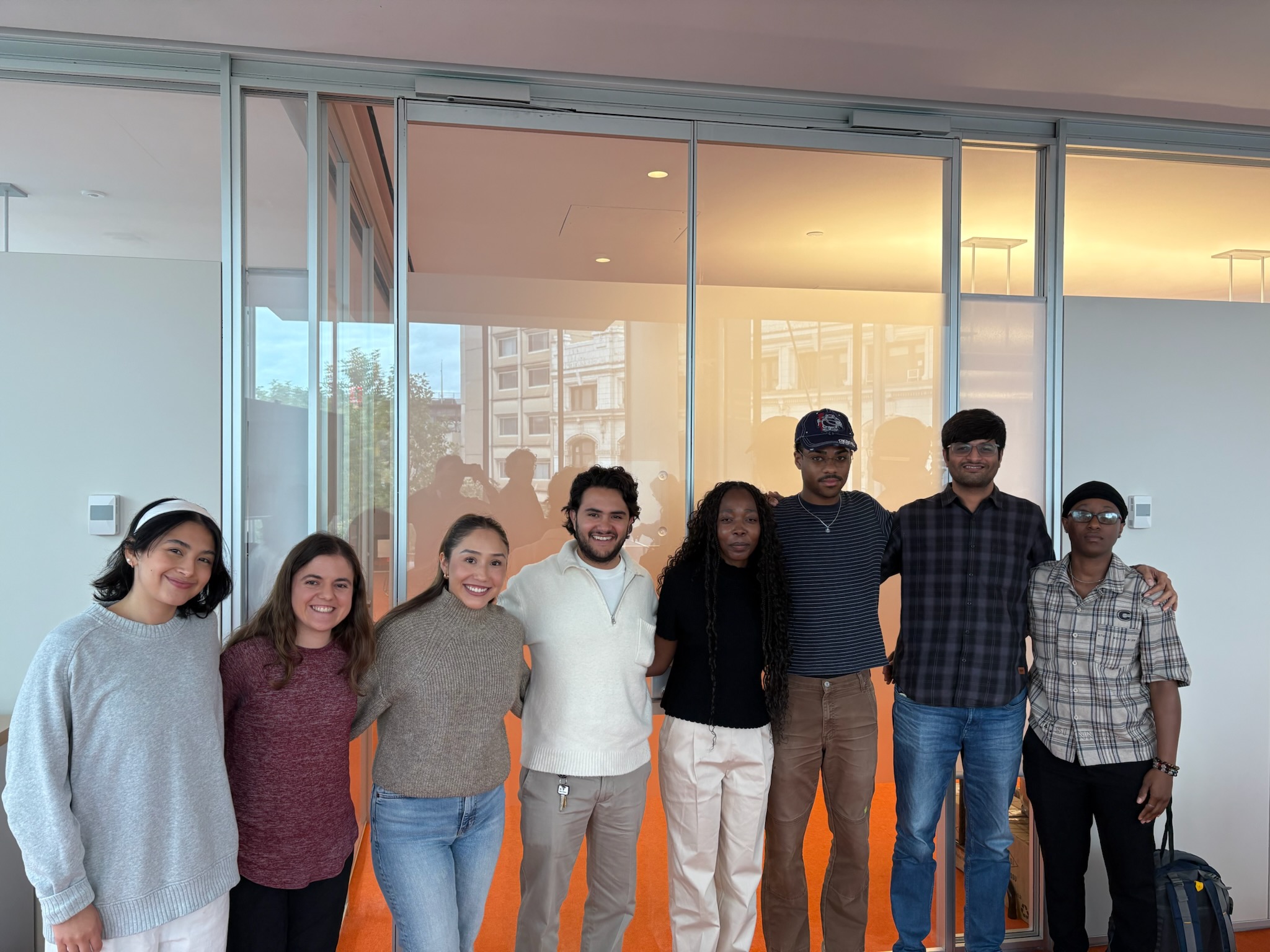
Meet the Inaugural Dean’s Graduate Scholars at Columbia Climate School
Eight full-time M.S. in Climate students have been honored with a scholarship recognizing their academic and professional excellence in the field.
-
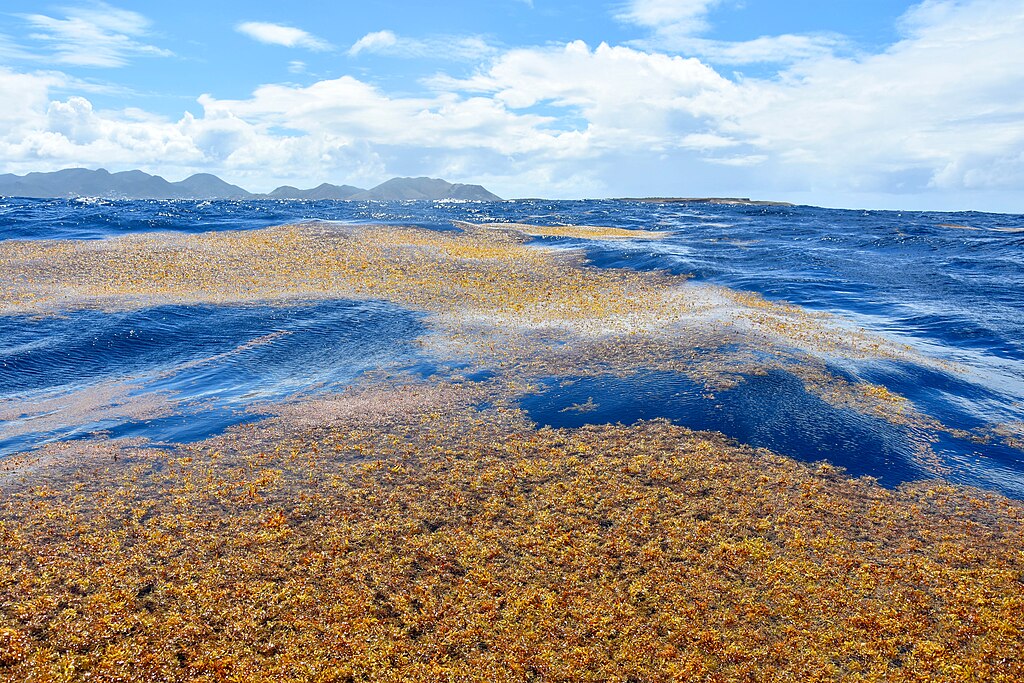
Harnessing AI, Scientists Discover a Rise in Floating Algae Across the Global Ocean
A recent study demonstrates the power of artificial intelligence as a tool for processing large amounts of ocean data.
-
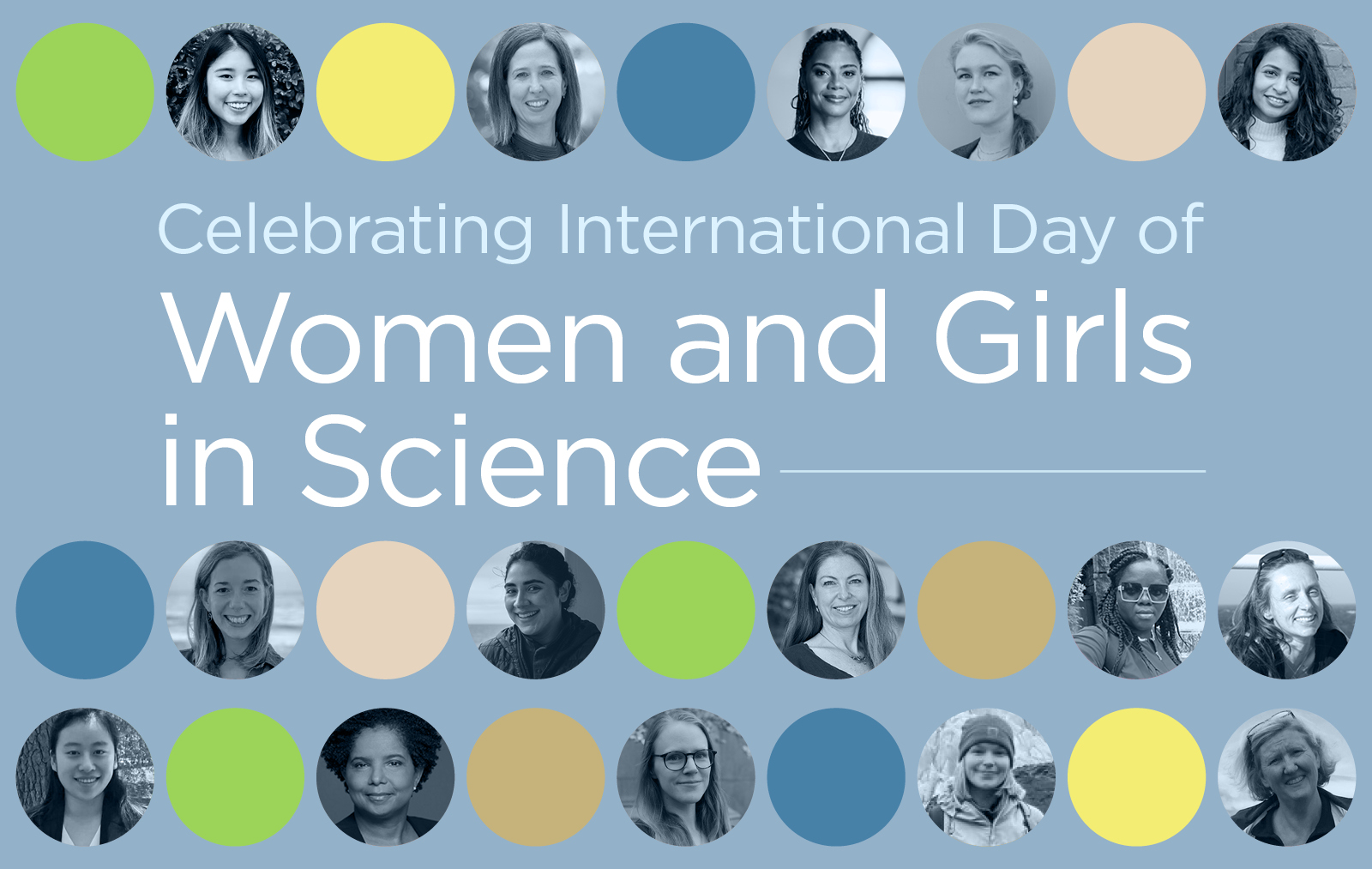
Celebrating the 2026 International Day of Women and Girls in Science
In honor of this year’s theme, “Synergizing AI, Social Science, STEM and Finance: Building Inclusive Futures for Women and Girls,” we’re highlighting just some of the exceptional women researchers from the Columbia Climate School.
-
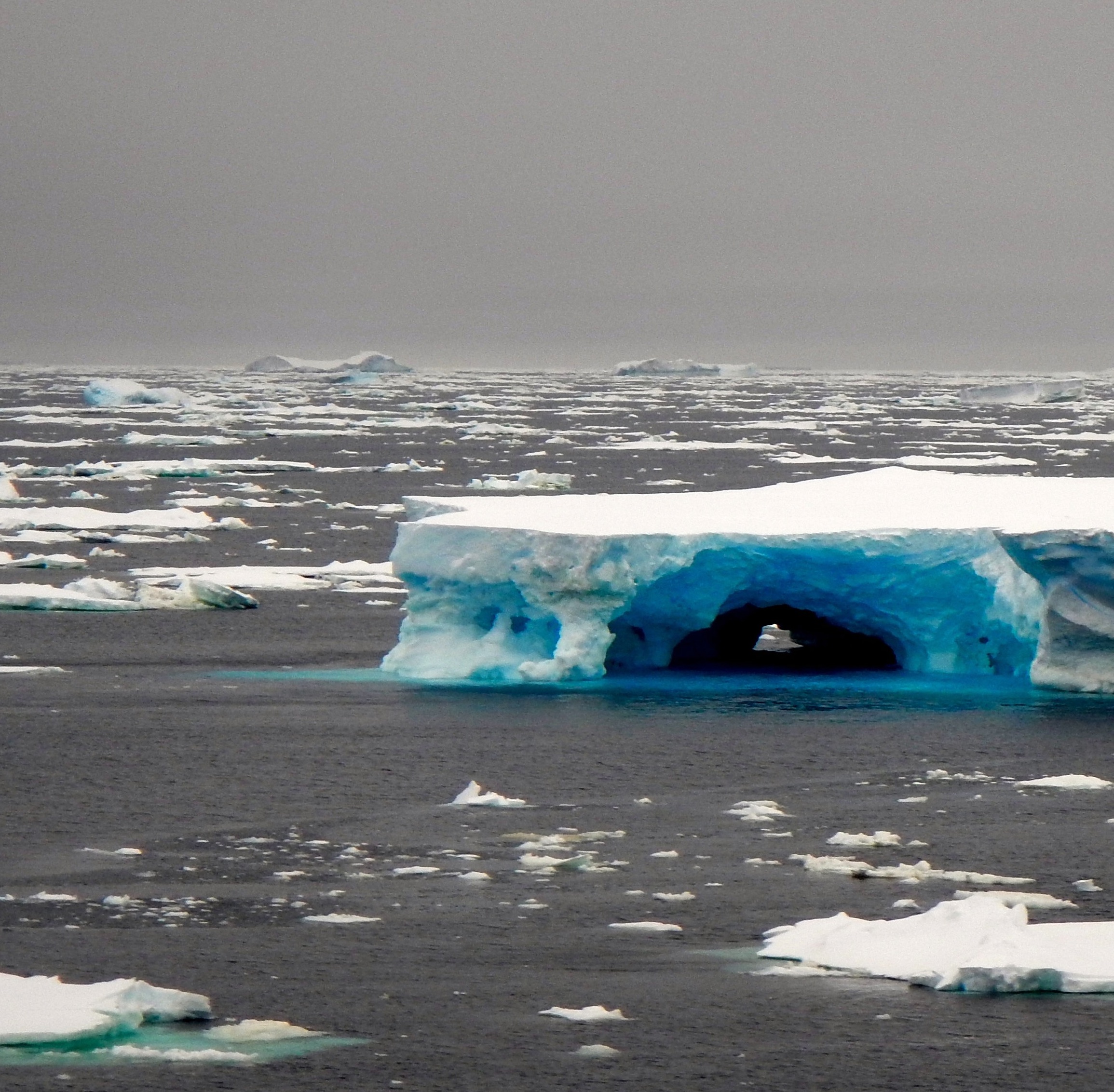
Unexpected Climate Feedback Links Antarctic Ice Sheet With Reduced Carbon Uptake
New study reveals surprising link between West Antarctic Ice Sheet (WAIS) retreat and algae growth over the past 500,000 years.


