State of the Planet

News from the Columbia Climate School

Viewpoints13

  • Technology, Culture, Economics, and Politics

    Technology, Culture, Economics, and Politics

    Technological change has been the largest stimulator of rapid cultural change over the past two centuries and will continue to be the major cause of social, economic, and political change.

  • New Technology Will Determine the Pace of Decarbonization

    New Technology Will Determine the Pace of Decarbonization

    While the technology we need to complete the transition to renewable energy is not yet here, the pace of technological innovation is accelerating.

  • The Right Wing’s Endless War on the U.S. EPA

    The Right Wing’s Endless War on the U.S. EPA

    No one wants the environment damaged any more than anyone wants to see violence or crime. We need a new approach to protecting the planet, but that will not happen by starving agencies of resources.

  • Avoiding Environmental Panic

    Avoiding Environmental Panic

    People are experiencing the climate crisis firsthand, and it is changing their understanding of how the world works. The crisis is real, but so, too, is our determination to address it.

  • Paying the Costs of Climate Resilience

    Paying the Costs of Climate Resilience

    We need a stronger and more resilient built environment to withstand the rains, wind, heat, and cold of climate-accelerated extreme weather events.

  • Infrastructure and the Transition to Environmental Sustainability

    Infrastructure and the Transition to Environmental Sustainability

    For over a century, as America’s private economy developed, government played a role in investing in collective goods that would not have attracted private investment on terms that would have served the public interest. This role must continue to complete the transition to an environmentally sustainable economy.

  • It’s Time to Regulate E-Bikes and Scooters in New York City

    It’s Time to Regulate E-Bikes and Scooters in New York City

    As the nation and city decarbonize and move toward electricity-based energy systems, new technologies will continue to emerge, and we will need to develop rules to ensure that new technologies are deployed safely.

  • The Impact of the 15th Biodiversity Conference of Parties (COP 15)

    The Impact of the 15th Biodiversity Conference of Parties (COP 15)

    Conferences like COP 15 can enhance the understanding of less-visible environmental issues like biodiversity loss, but the real action is at the national, community, and organizational levels.

  • Can a New Forest Alliance Change Nature Finance for the Better?

    Can a New Forest Alliance Change Nature Finance for the Better?

    The partnership of three countries—Brazil, the Democratic Republic of Congo, and Indonesia—could play a pivotal role in reducing global deforestation.

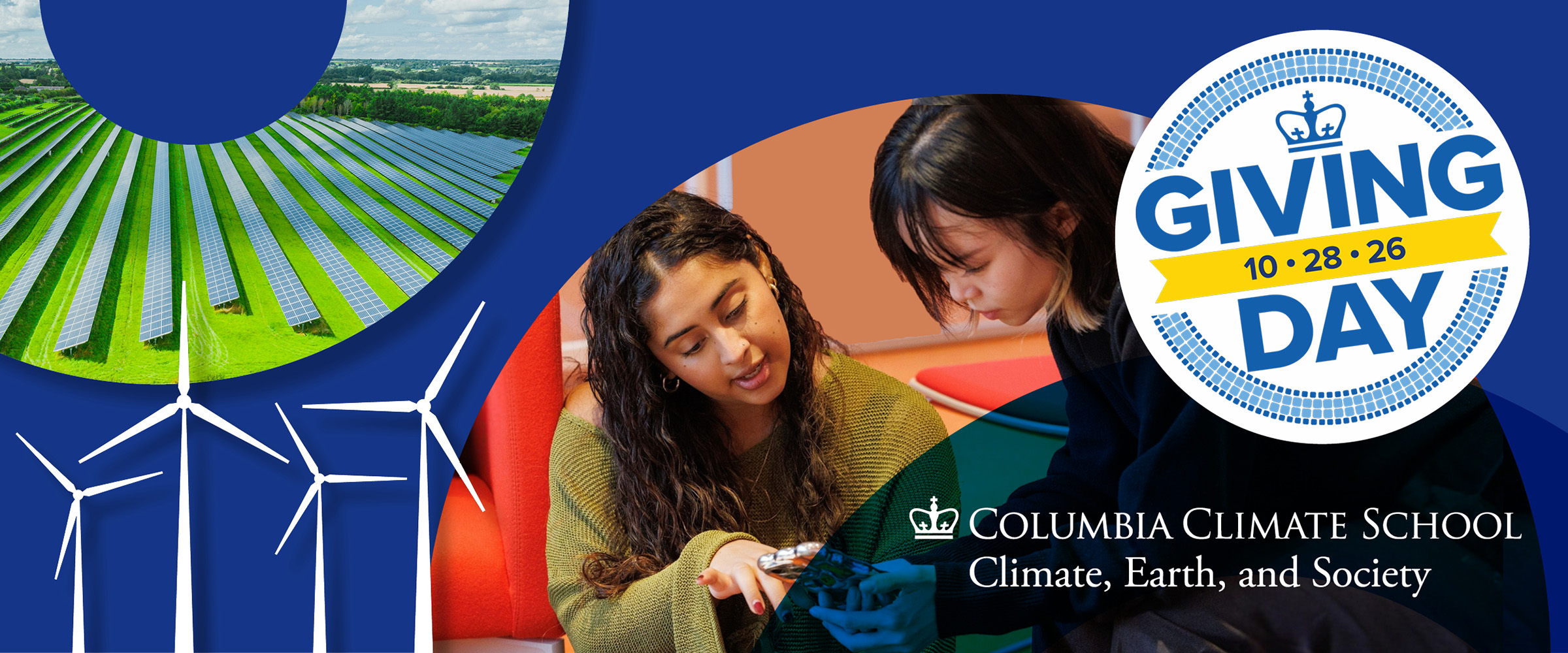
Columbia Climate School Giving Day on October 28, 2026, featuring students and renewable energy imagery

October 28, 2026 is Columbia Giving Day! Your gift to Columbia Climate School helps advance interdisciplinary research, educate the next generation of leaders, and transform bold ideas into real-world solutions for climate, Earth, and society.

  • Technology, Culture, Economics, and Politics

    Technology, Culture, Economics, and Politics

    Technological change has been the largest stimulator of rapid cultural change over the past two centuries and will continue to be the major cause of social, economic, and political change.

  • New Technology Will Determine the Pace of Decarbonization

    New Technology Will Determine the Pace of Decarbonization

    While the technology we need to complete the transition to renewable energy is not yet here, the pace of technological innovation is accelerating.

  • The Right Wing’s Endless War on the U.S. EPA

    The Right Wing’s Endless War on the U.S. EPA

    No one wants the environment damaged any more than anyone wants to see violence or crime. We need a new approach to protecting the planet, but that will not happen by starving agencies of resources.

  • Avoiding Environmental Panic

    Avoiding Environmental Panic

    People are experiencing the climate crisis firsthand, and it is changing their understanding of how the world works. The crisis is real, but so, too, is our determination to address it.

  • Paying the Costs of Climate Resilience

    Paying the Costs of Climate Resilience

    We need a stronger and more resilient built environment to withstand the rains, wind, heat, and cold of climate-accelerated extreme weather events.

  • Infrastructure and the Transition to Environmental Sustainability

    Infrastructure and the Transition to Environmental Sustainability

    For over a century, as America’s private economy developed, government played a role in investing in collective goods that would not have attracted private investment on terms that would have served the public interest. This role must continue to complete the transition to an environmentally sustainable economy.

  • It’s Time to Regulate E-Bikes and Scooters in New York City

    It’s Time to Regulate E-Bikes and Scooters in New York City

    As the nation and city decarbonize and move toward electricity-based energy systems, new technologies will continue to emerge, and we will need to develop rules to ensure that new technologies are deployed safely.

  • The Impact of the 15th Biodiversity Conference of Parties (COP 15)

    The Impact of the 15th Biodiversity Conference of Parties (COP 15)

    Conferences like COP 15 can enhance the understanding of less-visible environmental issues like biodiversity loss, but the real action is at the national, community, and organizational levels.

  • Can a New Forest Alliance Change Nature Finance for the Better?

    Can a New Forest Alliance Change Nature Finance for the Better?

    The partnership of three countries—Brazil, the Democratic Republic of Congo, and Indonesia—could play a pivotal role in reducing global deforestation.