Natural Disasters
-
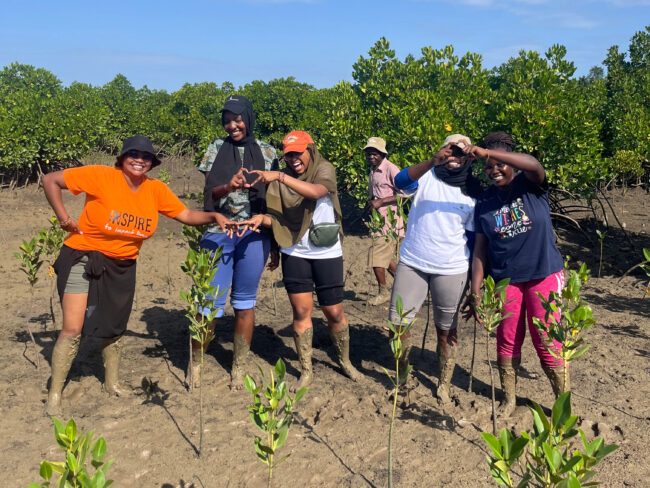
Centering Community in Climate Resilience and Disaster Preparedness
M.S. in Climate student Allison Karabu reflects on the importance of community-based initiatives and finding the right questions to ask to effect real change.
-
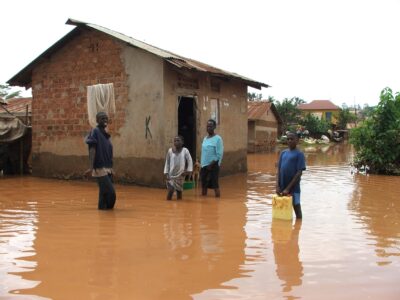
Climate Finance Has Failed Africa Twice Over. Here’s How To Fix It.
Credit-rating methodologies must stop treating poverty as a self-fulfilling proxy for default risk.
-
Leveraging Risk Communications to Bridge Tribal Voices
A new, collaborative project aims to elevate and bridge Tribal voices in disaster risk communication.
-

Women in Science: Disaster Preparedness Researcher Das Dores Ngueussie Ngamini
Ngamini uses her background in atmospheric sciences and climate modeling to support research and solutions for climate adaptation and disaster preparedness.
-

Women in Science: Climate Impact Researcher Sanketa Kadam
In honor of International Day of Women and Girls in Science, we’re featuring Kadam, who researches compound extreme events in India and their impacts on crops and farmland.
-
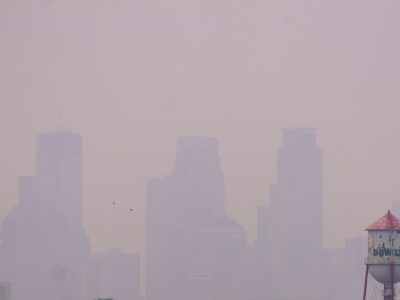
Get Ready for Smokier Air: Record 2023 Wildfire Smoke Marks Long-Term Shift in North American Air Quality
A new analysis of air quality data from the past 70 years shows a broader, continent-wide trend toward smokier skies.
-
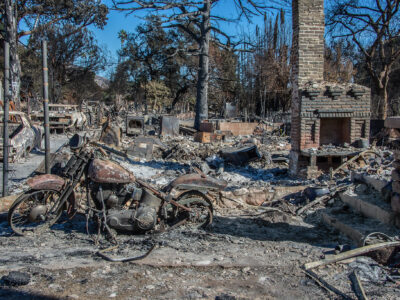
It’s Been One Year Since Wildfires Devastated Los Angeles. What Have We Learned?
In the wake of the fires, our disaster expert says that “we have the lessons we need to do better and recover better, but there is a stubbornness to learning and applying them.”
-

Can Generative AI Help Strengthen Disaster Preparedness and Resilience Among Youth?
New research indicates that GenAI chatbots, if thoughtfully designed and equitably implemented, can serve as a transformative tool for strengthening youth participation in disaster risk reduction.
-
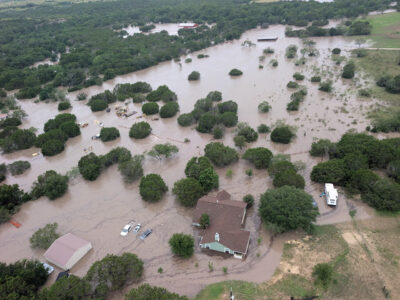
The July 4 Floods in Texas Weren’t a One-Off. They Were a Warning.
We cannot afford to focus solely on short-term fixes, while ignoring the long-term drivers of disaster risk.


By studying thousands of buildings and analyzing their electricity use, Columbia Climate School Dean Alexis Abramson has been able to uncover ways to significantly cut energy consumption and emissions. Watch the Video: “Engineering a Cooler Future Through Smarter Buildings“
