Viewpoints
-
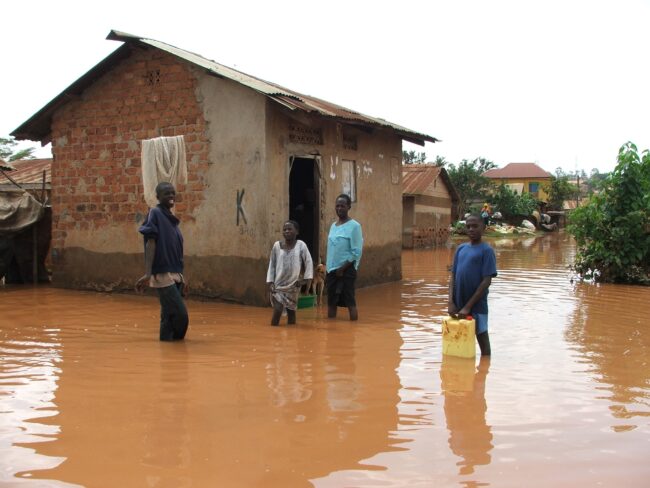
Climate Finance Has Failed Africa Twice Over. Here’s How To Fix It.
Credit-rating methodologies must stop treating poverty as a self-fulfilling proxy for default risk.
-

How Can AI Address Climate Justice When Women’s Voices Are Silenced?
Unless women’s lived realities are embedded in AI’s foundations, it risks reinforcing the very inequities it claims to solve.
-
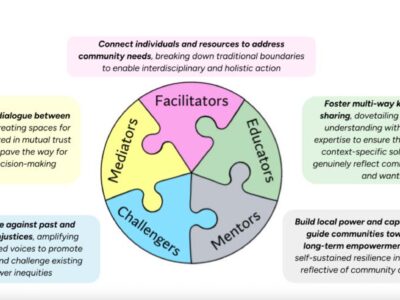
Planning Exercises That Got Community Engagement Right
The Resilient Coastal Communities Project has a new white paper that highlights examples of truly fair and accountable resilience planning.
-
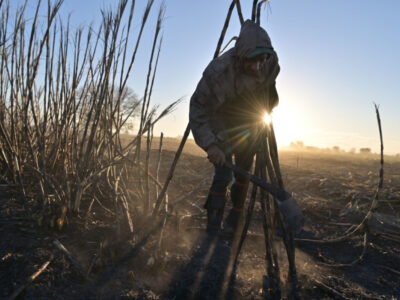
New Policies, Same Inequalities for Agricultural Workers in Mexico
Who will benefit from the new agricultural support programs that promise to help rural farmworkers?
-
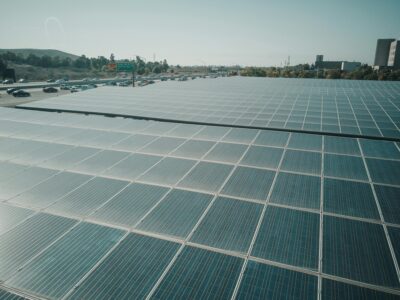
Climate Action Costs More in the Global South. Here’s Why.
For many countries in the Global South, the cost of transitioning to a low-carbon economy remains disproportionately high.
-

The Sights and Sounds of COP30
Environmental epidemiologist Robbie Parks shares a podcast and photos from this year’s climate summit in Brazil.
-
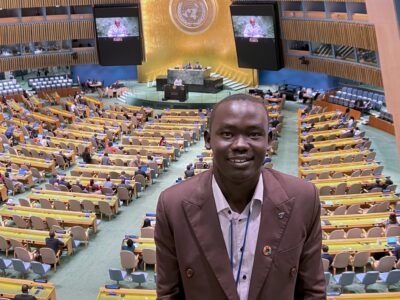
COP30 Is Over. But for the World’s Most Vulnerable, the Crisis Is Ongoing.
Anyieth Philip Ayuen, a graduate of the Climate and Society program, on the importance of keeping resilience, literacy and survival at the center of global climate policy.
-
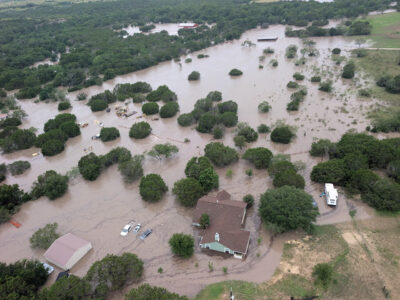
The July 4 Floods in Texas Weren’t a One-Off. They Were a Warning.
We cannot afford to focus solely on short-term fixes, while ignoring the long-term drivers of disaster risk.
-

Sailing Around the Bangladesh Coastal Zone
The future sustainability of the delta depends on the balance of sea level rise, the subsidence of the land, and the deposition of sediments that can help maintain the land.


By studying thousands of buildings and analyzing their electricity use, Columbia Climate School Dean Alexis Abramson has been able to uncover ways to significantly cut energy consumption and emissions. Watch the Video: “Engineering a Cooler Future Through Smarter Buildings“
