Viewpoints2
-
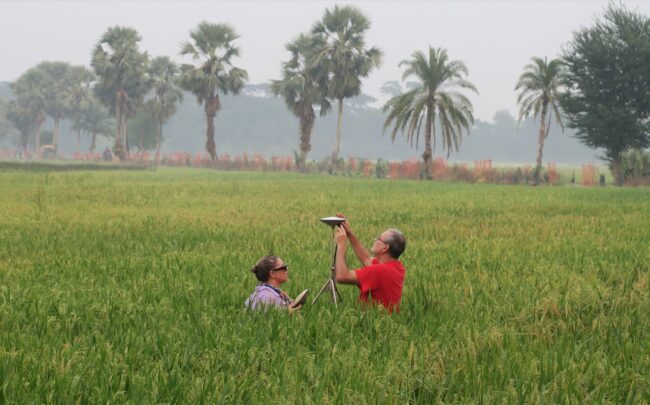
Driving Around the Bangladesh Coastal Zone
Mike Steckler travels around the coastal zone of the world’s largest delta in Bangladesh to repair GNSS (GPS) instruments.
-
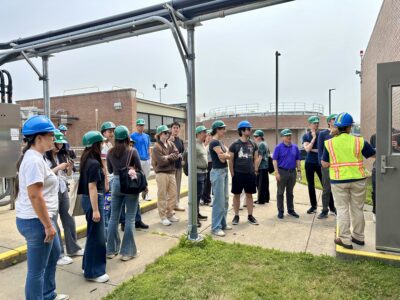
What a Visit to Stamford’s Wastewater and Recycling Facilities Reveals About Our Choices
Columbia’s MPA-ESP students explored Stamford, Connecticut’s Water Pollution Control Authority. They left with as many questions as answers.
-
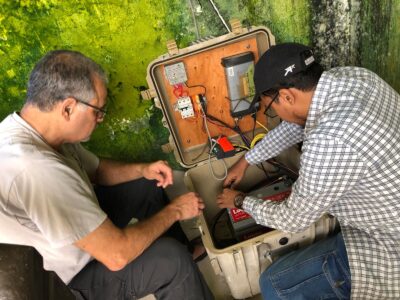
Continuing on to Comilla, Dhaka and the Coast
After finishing fixing their global navigation satellite system equipment in Sylhet, Mike Steckler and his team traveled south to repair more stations in Comilla, then to Dhaka and the coast.
-
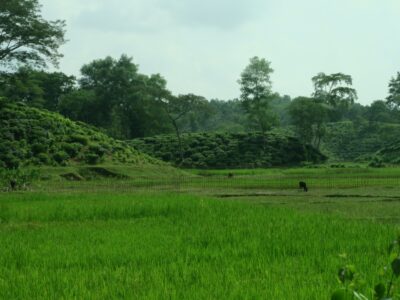
Repairing Global Navigation Satellite Systems in the Land of Tea
Mike Steckler is back in Sylhet, Bangladesh, to repair GNSS stations that are monitoring tectonics and earthquake hazards, and measuring the sinking of the land in the world’s biggest delta.
-
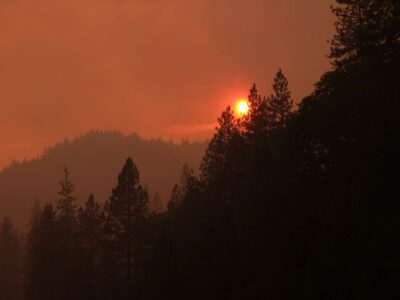
Building Climate Resilience Through Insurance Incentives
How can insurance drive smarter resilience investments? A group of M.A. in Climate and Society students aimed to find out.
-

Bridging the Gap: How AI Can Help—or Hinder—the SDGs
The issue is no longer whether AI matters for sustainable development, but how to apply it in ways that decrease costs, expand access, improve decision-making and avoid further deepening inequality.
-
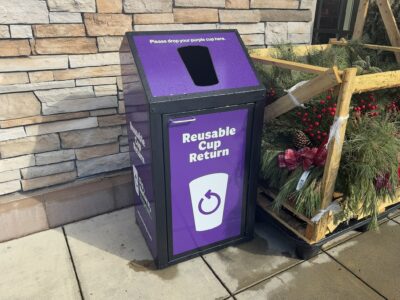
How Sustainable Are Reusable Cups? A New Tool Aims to Find Out
Columbia Climate School and Closed Loop Partners developed a novel impact assessment tool to calculate the carbon emissions and cost implications of a wide range of single-use and reusable packaging designs.
-
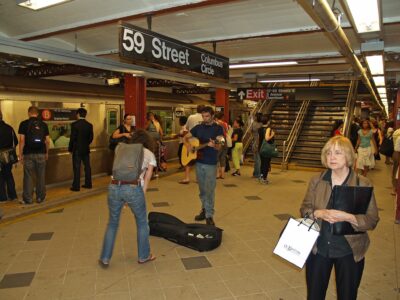
How Do We Fix the Hellish Heat of the New York City Subway System?
It’s time to treat subway heat like the climate adaptation issue and public health hazard that it is.
-
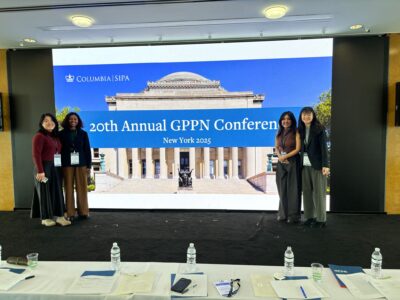
Four Columbia Women Are Reimagining Rice Farming to Tackle Climate Change
Clean Crop is an ambitious startup project that blends policy, economics, sustainability and development.


By studying thousands of buildings and analyzing their electricity use, Columbia Climate School Dean Alexis Abramson has been able to uncover ways to significantly cut energy consumption and emissions. Watch the Video: “Engineering a Cooler Future Through Smarter Buildings“
