State of the Planet

News from the Columbia Climate School

Water29

  • Lamont Scientist Featured in Antarctic Climate Change Documentary

    Lamont Scientist Featured in Antarctic Climate Change Documentary

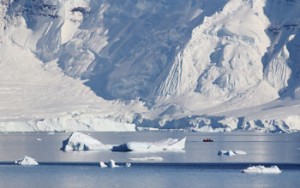
    Lamont-Doherty scientist Hugh Ducklow is featured in a documentary due out next summer on climate change and the West Antarctic Peninsula. Catch a preview in this newly-released trailer.

  • Red to Dead: Not As Simple As It Seems

    Red to Dead: Not As Simple As It Seems

    The Dead Sea is shrinking as a result of mining for raw materials and the loss of fresh water inflow from the diversion of the Jordan River for drinking water by Syria, Israel and Jordan. This shrinkage is problematic for economic, environmental and cultural reasons for both Jordan and Israel, the two countries which share…

  • Students Travel to Jordan and Israel to Learn About Environmental Issues

    Students Travel to Jordan and Israel to Learn About Environmental Issues

    Nine Columbia students traveled to the Middle East last weekend to learn about how two countries in the region, Jordan and Israel, are cooperating on environmental issues and managing shared natural resources such as water. The students, led by Beth Fisher Yoshida, academic director of the Negotiation and Conflict Resolution program, and Shahar Sadeh, academic…

  • Water Risk in Unexpected Places

    Water Risk in Unexpected Places

    A new report by the Columbia Water Center, produced with Veolia Water and Growing Blue, could help expose the real nature of water risk–even in places that most people think of as having plenty of water.

  • Gone to Sea No More

    Gone to Sea No More

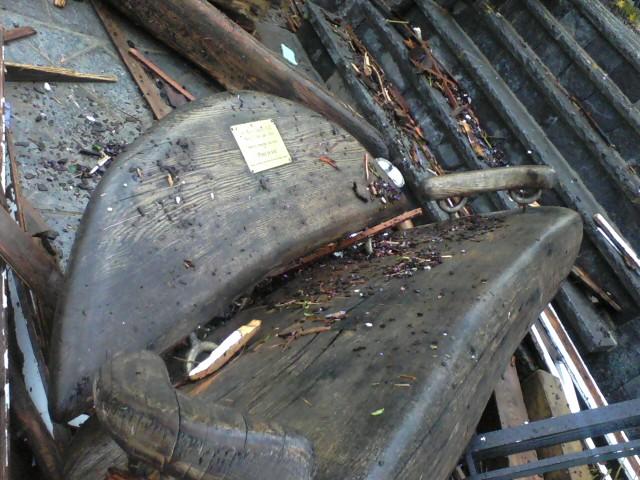
    After John Diebold, an enormously popular and influential marine scientist, died suddenly in summer 2010, friends and family erected a memorial to him: a carved red oak bench they installed on a causeway along the Hudson River, inscribed with “GONE TO SEA.” Then along came Hurricane Sandy.

  • Trouble in America’s Water Paradise

    Trouble in America’s Water Paradise

    America’s strong water infrastructure has been key to its success as a nation. Yet the nation’s continual waste of water and lack of commitment to long-term water investments has halted its progress.

  • Students Share Findings from Global Research

    This April over fifty students shared the results of their respective research projects with the rest of the Columbia community as part of the 2013 Student Research Showcase. While all within the field of sustainable development, research topics ranged from climate change to community development and included work from across the world.

  • Singing the Blues About Water Scarcity

    Singing the Blues About Water Scarcity

    Otis Redding sang “you don’t miss your water ’til your well runs dry” in 1965 about pining for a lost love. Last week, Climate and Society founder and Lamont-Doherty Earth Observatory scientist Mark Cane reprised it with a much different, more literal focus: water scarcity in the 21st century.

  • Water Security: Finding Solutions for a World at Risk

    Water Security: Finding Solutions for a World at Risk

    “This is a mess, and it is a mess that we have not attended to yet,” Earth Institute Director Jeffrey Sachs said at a conference on water security held today at Columbia University. “Humanity is the driver, but we don’t have our hands on the steering wheel very much.”

Composite banner with modern building at night and portrait of Dean Alexis Abramson that reads "Science for the Planet"

By studying thousands of buildings and analyzing their electricity use, Columbia Climate School Dean Alexis Abramson has been able to uncover ways to significantly cut energy consumption and emissions. Watch the Video: “Engineering a Cooler Future Through Smarter Buildings

  • Lamont Scientist Featured in Antarctic Climate Change Documentary

    Lamont Scientist Featured in Antarctic Climate Change Documentary

    Lamont-Doherty scientist Hugh Ducklow is featured in a documentary due out next summer on climate change and the West Antarctic Peninsula. Catch a preview in this newly-released trailer.

  • Red to Dead: Not As Simple As It Seems

    Red to Dead: Not As Simple As It Seems

    The Dead Sea is shrinking as a result of mining for raw materials and the loss of fresh water inflow from the diversion of the Jordan River for drinking water by Syria, Israel and Jordan. This shrinkage is problematic for economic, environmental and cultural reasons for both Jordan and Israel, the two countries which share…

  • Students Travel to Jordan and Israel to Learn About Environmental Issues

    Students Travel to Jordan and Israel to Learn About Environmental Issues

    Nine Columbia students traveled to the Middle East last weekend to learn about how two countries in the region, Jordan and Israel, are cooperating on environmental issues and managing shared natural resources such as water. The students, led by Beth Fisher Yoshida, academic director of the Negotiation and Conflict Resolution program, and Shahar Sadeh, academic…

  • Water Risk in Unexpected Places

    Water Risk in Unexpected Places

    A new report by the Columbia Water Center, produced with Veolia Water and Growing Blue, could help expose the real nature of water risk–even in places that most people think of as having plenty of water.

  • Gone to Sea No More

    Gone to Sea No More

    After John Diebold, an enormously popular and influential marine scientist, died suddenly in summer 2010, friends and family erected a memorial to him: a carved red oak bench they installed on a causeway along the Hudson River, inscribed with “GONE TO SEA.” Then along came Hurricane Sandy.

  • Trouble in America’s Water Paradise

    Trouble in America’s Water Paradise

    America’s strong water infrastructure has been key to its success as a nation. Yet the nation’s continual waste of water and lack of commitment to long-term water investments has halted its progress.

  • Students Share Findings from Global Research

    This April over fifty students shared the results of their respective research projects with the rest of the Columbia community as part of the 2013 Student Research Showcase. While all within the field of sustainable development, research topics ranged from climate change to community development and included work from across the world.

  • Singing the Blues About Water Scarcity

    Singing the Blues About Water Scarcity

    Otis Redding sang “you don’t miss your water ’til your well runs dry” in 1965 about pining for a lost love. Last week, Climate and Society founder and Lamont-Doherty Earth Observatory scientist Mark Cane reprised it with a much different, more literal focus: water scarcity in the 21st century.

  • Water Security: Finding Solutions for a World at Risk

    Water Security: Finding Solutions for a World at Risk

    “This is a mess, and it is a mess that we have not attended to yet,” Earth Institute Director Jeffrey Sachs said at a conference on water security held today at Columbia University. “Humanity is the driver, but we don’t have our hands on the steering wheel very much.”