Posts
-

MPA Students Explore Urban Parks
During the second half of the summer semester for Columbia University’s MPA class in Environmental Science and Policy program, the students extended their classroom learning on urban ecology to outdoor field trips in Brooklyn and the Bronx to focus on how restorations of wetlands, forests, and rivers are changing the city.
-

The Energy to Fight Injustice
The enormity of these anti-nuclear policy decisions is difficult to exaggerate. Energy consumption is an inescapable requirement of development, and renewable energy sources alone cannot satisfy the energy demands of China and other developing nations. They now have no choice but to burn massive amounts of coal if they wish to raise their living standards.
-

Faint Young Sun
Through an ancient looking-glass, Perhaps you’d see more H2 gas, And if with denser gas collided, Greater greenhouse warmth provided.
-

Reflections of a Changing North
No one ever leaves the field the same way they entered it. Yes there is a new layer of mud on equipment, the expected wear and tear on your gear and your physical being. But also, an intangible shift in perspective.
-

Webinar Sept. 8 on Proposed Sustainable Development Goals
Researcher Magdalena A K Muir will present a live webinar, “The UN Sustainable Development Goals: Setting an Agenda for Sustainability,” as part of the Association for Environmental Studies and Educators Webinar Series.
-

Authors of Clean Air Act to Teach New Law Class
In the 1970s, Congress enacted a series of environmental laws that defined the direction and character of environmental policy. This fall, the writers of that legislation will teach a new class at Columbia dedicated to the process that led to these seminal laws.
-

Administrative Internships Offered by the Office of Academic and Research Programs
The Office of Academic and Research Programs, The Earth Institute, is please to offer a variety of administrative internships for Columbia and Barnard students for Fall 2014.
-
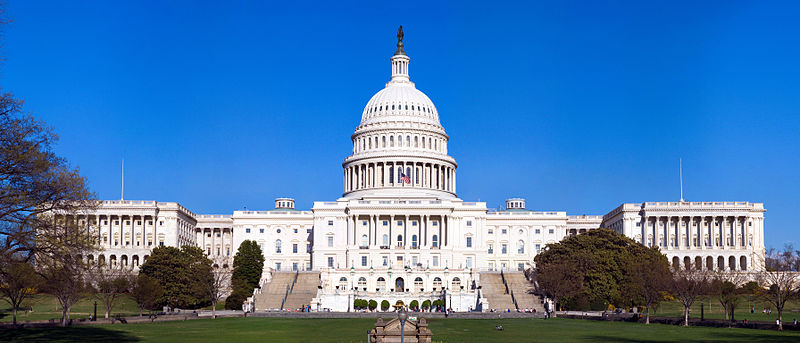
Our Government is Incapable of Building a Sustainable Economy
My Columbia University colleagues Bill Eimicke and Alison Miller recently joined me in authoring a new book entitled Sustainability Policy: Hastening the Transition to A Cleaner Economy. If all goes well, Jossey-Bass publishers will release the book in early 2015. Our work focuses on how American government at the federal, state and local levels can…
-
Work, Youth, Optimism, and the Drive Toward a Safe, Sustainable Planet
Earth Institute Executive Director Steve Cohen discusses the changing natures of work and opportunity in the transition to a sustainable economy.


