Posts
-

Riding for Change: MSSM Student Rides 300 Miles to Raise Awareness about Sustainability Issues
MS in Sustainability Management student Scott Miller rides 300 miles from New York to Washington, D.C., to raise awareness about sustainability issues and promote support for Earth Institute research and projects.
-

Video: Is Drought In East Africa The New Normal?
A video interview with climate scientist Bradfield Lyon, who explains his latest research on what’s driving rainfall patterns in parts of East Africa.
-

Exploring the Bering Sea Ecosystem
Our stations have continued to be rich in phytoplankton, while our colleagues are excited by the larval fish they are finding in the southern Bering Sea. Wildlife sightings have included whales, dolphin, and the jawless lamprey fish, and we are settling in for potentially bumpy seas ahead.
-
Switchyard 2012: Climate Change in the Arctic
Arctic summer sea ice is declining rapidly: a trend with enormous implications for global weather and climate. Now in its eighth year, the multi-year Arctic Switchyard project is tracking the Arctic seascape to distinguish the effects of natural climate variability from human-induced climate change. The University of Washington is leading the project. A) The Canadian…
-
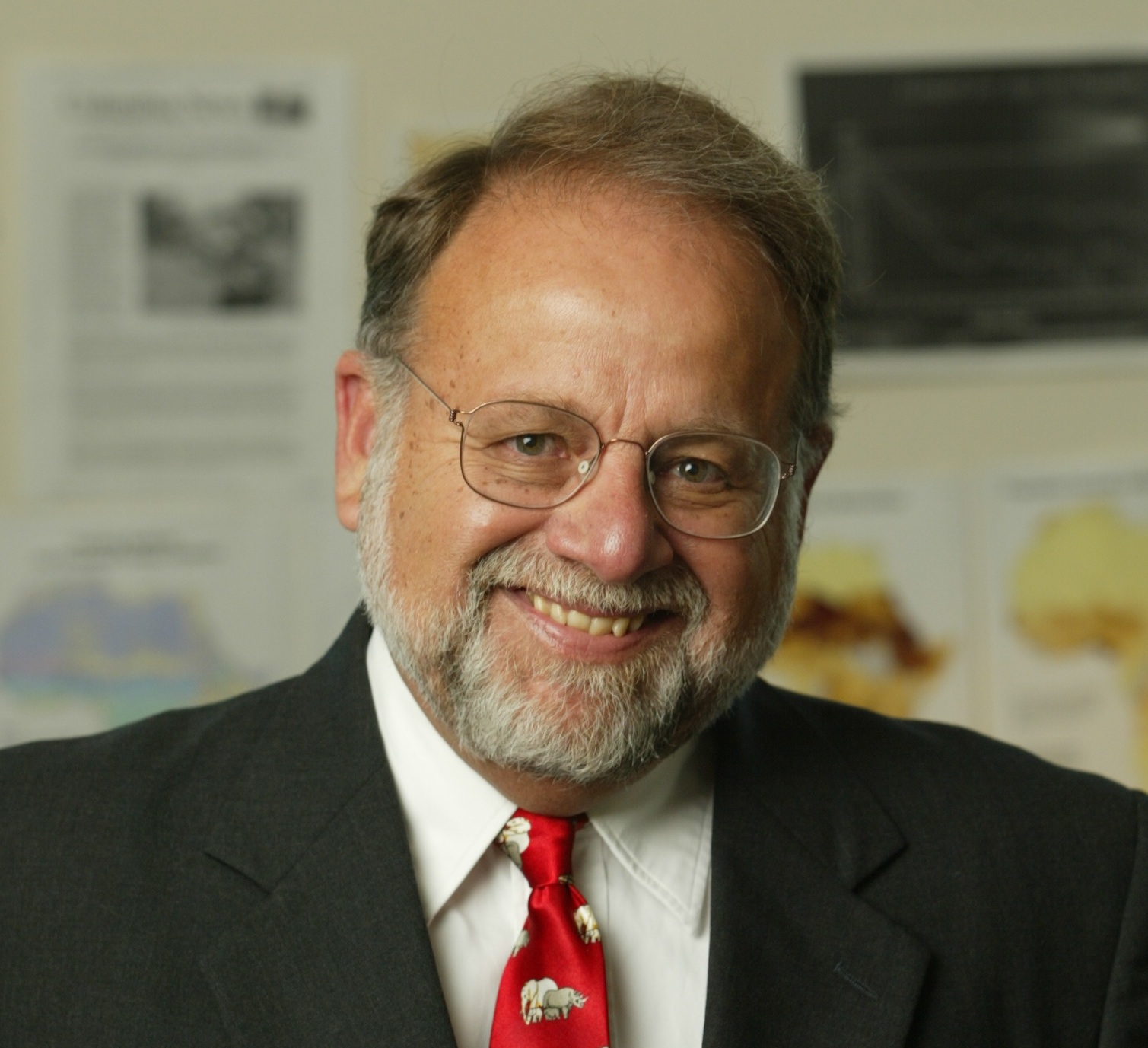
Pedro Sanchez Elected into the National Academy of Sciences
For more than 50 years, Sanchez has worked on agriculture and hunger issues throughout the developing world. Since 2005, he has helped to establish and direct the Millennium Villages Project to promote policies to bring a green revolution to Africa and achieve the Millennium Development Goals by 2015.
-
Seminar on the History of Science and Sustainable Development
The focus of sustainable development is international and collaborative, as much focused on innovations in research as on education and practice. There is an effort from sustainably-minded organizations, such as the Earth Institute, to bring together multidisciplinary experts to research, educate and solve problems.
-

Drill Down into Africa Soils Projects
The Africa Soil Information Service has upgraded its website with a new layout, easier navigation and updates on project activities. A growing set of features provides information for managing soil and land in Africa, including an interactive map tool that allows you to choose layers and areas of interest that can be downloaded.
-
Experiments May Understate Plant Responses to Climate
Observations in Nature Outrun Those in Artificial Plots
-

The Double-Edged Sword of Geoengineering
Shooting sulfur particles into the stratosphere to reflect the sun? Dumping iron into the ocean to boost the absorption of carbon dioxide? Could these far-fetched and dangerous-sounding schemes—geoengineering—help avert potentially catastrophic effects of climate change, or would they exacerbate conditions on our ever warming planet?


