Posts
-

Mercury Rising: Why Emissions of This Deadly Neurotoxin May Soon Increase
The EPA is proposing changes to the Mercury and Air Toxic Standards (MATS), which would weaken mercury emissions limits from U.S. fossil fuel power plants by 70 percent.
-

Amplifying Action: Adam Met and Alexis Abramson Talk Climate on ‘Sing for Science’ Podcast
Ready to get involved in the climate movement? Musician Adam Met and Climate School Dean Alexis Abramson share practical, inspiring ways to take action on the popular Sing for Science podcast.
-
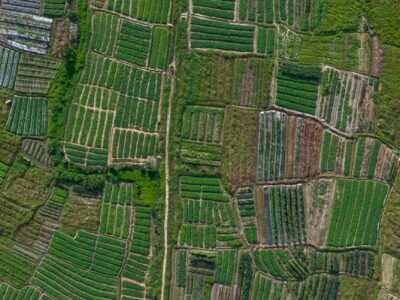
A Blueprint for Survival: New EAT-Lancet Report Is a Sustainable Food Systems Roadmap
The much-anticipated second EAT-Lancet Commission on Healthy, Sustainable and Just Food Systems has been released, building on the landmark 2019 report that first defined the Planetary Health Diet.
-
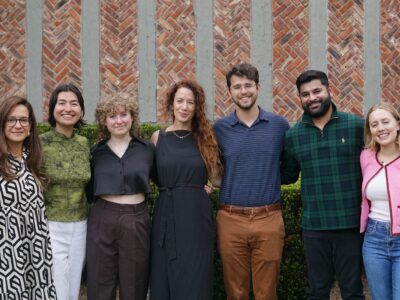
Columbia Climate School’s Global Impact Scholars Confront Urgent, Real-World Problems
Faculty and students worked together on ideas for climate solutions, which were then presented at the Climate School showcase as part of Climate Week NYC.
-
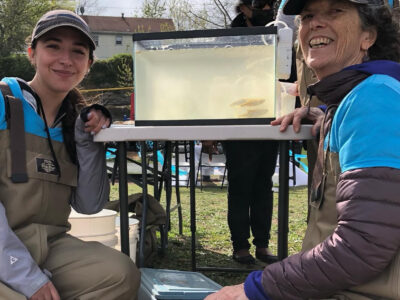
Ripple Effects: Water, Youth and Climate Action
The Columbia Climate School will host the Ripple Effects: Water in a Warming World pre-college virtual workshop in fall 2025.
-
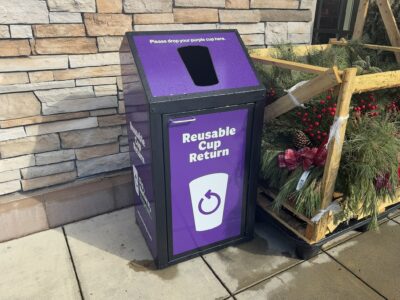
How Sustainable Are Reusable Cups? A New Tool Aims to Find Out
Columbia Climate School and Closed Loop Partners developed a novel impact assessment tool to calculate the carbon emissions and cost implications of a wide range of single-use and reusable packaging designs.
-

Highlights: “Universities and Climate Action”
University leaders discuss how academic institutions can respond to climate challenges, defend academic freedom and continue to innovate in a challenging national context.
-
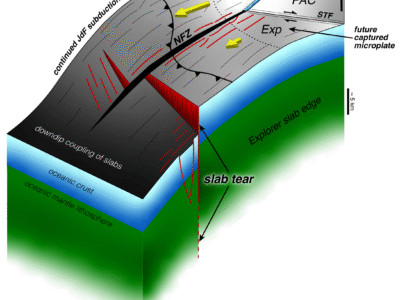
Earth’s Crust Is Tearing Apart off the Pacific Northwest—and That’s Not Necessarily Bad News
Using seismic reflection imaging—essentially an ultrasound of the Earth’s subsurface—and detailed earthquake records, researchers captured a subduction zone in the process of tearing itself apart.
-
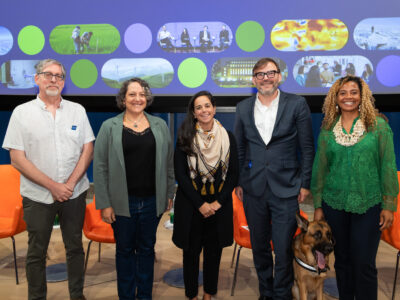
Learning From Local and Global Climate Leaders: Highlights From the Climate School Showcase
As part of this year’s Climate Week NYC, the event included conversations between climate experts, interdisciplinary panels of researchers, and student presentations on the complex issues and possible solutions for the climate crisis.


