Posts
-
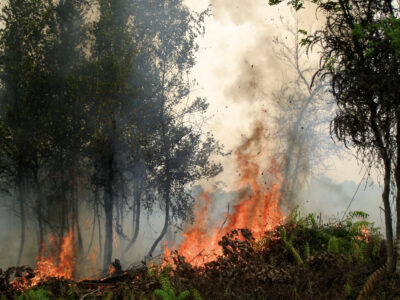
El Niño 2026: How Big Could It Get?
The current El Niño will break all sea-surface temperature records to date and will very likely deliver unprecedented weather-related impacts around the world.
-
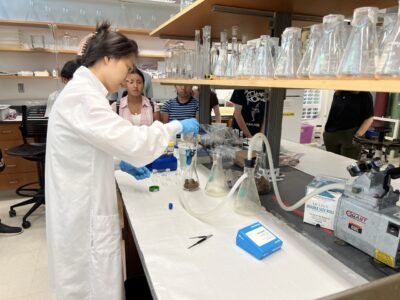
Real Science, Right Now: How High School Students Are Researching Climate Solutions
Through Columbia Climate School and Lamont-Doherty Earth Observatory programs, students conducted hands-on climate research to build scientific, analytical and communication skills.
-
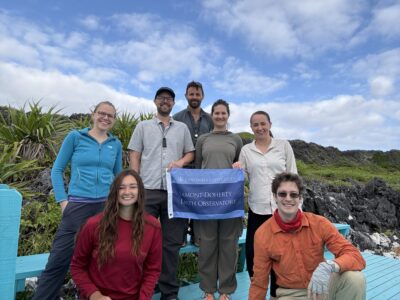
What Can Fossil Corals in the Cook Islands Teach Us About Global Sea Level Rise?
Scientists are studying fossil coral reefs in the Cook Islands to reconstruct sea levels during the Last Interglacial, and hoping to improve projections of future change.
-

Columbia Climate School Hosts City Leaders to Address Energy Affordability and Climate Action
Sustainability leaders from Ann Arbor, Atlanta and NYC shared the ways they are working at the local level to improve energy efficiency and reduce costs, while also reflecting on the challenges they face.
-
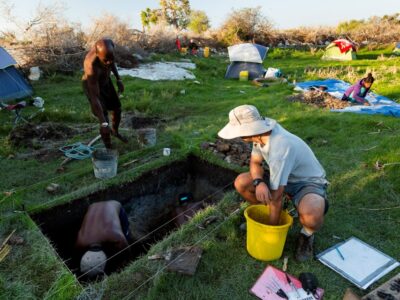
On Ancient Madagascar, Large Native Herbivores Paid the Price as Introduced Livestock Spread
New analyses of ancient cattle, sheep and goat bones suggest that the rapid spread of introduced livestock 1,200 years ago coincided with forest loss and population declines among large native herbivores.
-
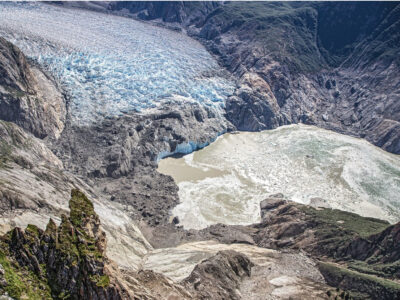
A Career Spent Collecting Earth’s Seismic Clues
Göran Ekström tracks incidents like landslides and glacier collapse using tools once used only to monitor earthquakes.
-
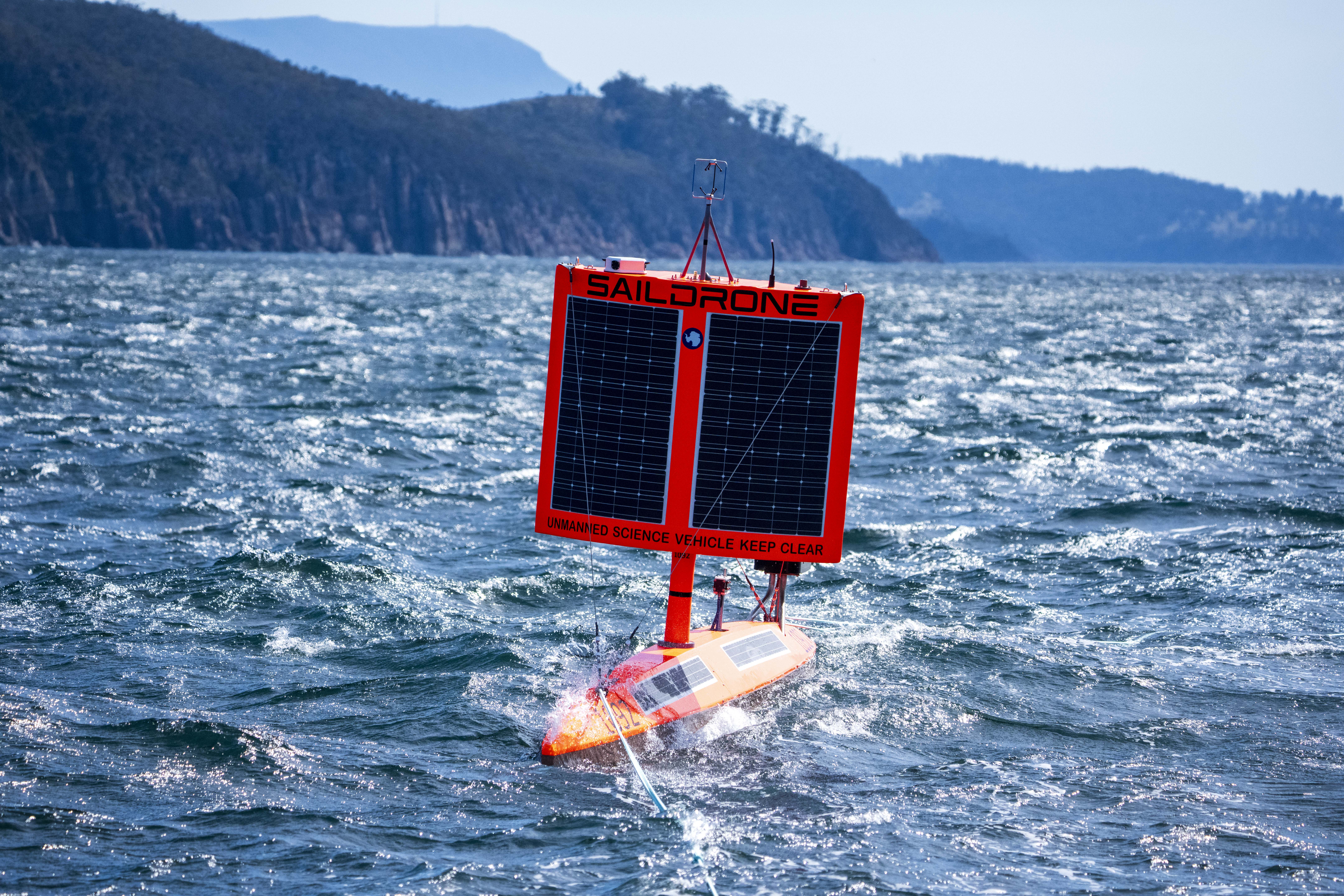
Robot Sailboats Will Spend Five Years Measuring Carbon in the Southern Ocean
Led by researchers at NOAA and Columbia University, the Constraining Ocean Carbon with Optimized Observing (COCO2) project will use uncrewed surface vehicles to reduce uncertainty in estimates of the ocean carbon sink.
-
New Report: Ocean Carbon Removal Shows Promise, But Big Questions Remain
Marine carbon dioxide removal could support climate action but faces major scientific, technical and governance challenges, according to a National Academies of Sciences, Engineering, and Medicine report.
-
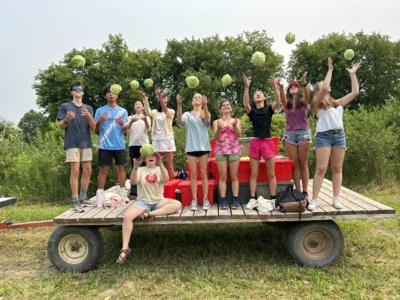
Empowering the Next Generation of Climate Leaders in the Green Mountains
Columbia Climate School in the Green Mountains is a two-week campus-based program in Vermont for high school students to mobilize action, drive impact and effect change in response to our warming planet. The summer 2026 program welcomed 58 students from the United States, China, Hong Kong, Thailand, Singapore and the U.K.


