Posts
-

Taking the Classroom into the Field with SEE-U
“It was so much more impactful to see and experience in-person what I had learned about in the classroom. The graphs and formulas we used were more meaningful when we had collected the data ourselves. And it was extremely interesting to learn about the issues facing the specific area that we were living in.”
-

Internships Available at Center on Sustainable Investment
The Columbia Center on Sustainable Investment is accepting applications until March 31 for internship positions for summer 2016. Interns are assigned to one or more projects depending on background and interests; unpaid and paid opportunities are available.
-

Court Ruling on Clean Power Plan a Setback, But…
The Supreme Court’s decision Tuesday to postpone implementation of the Clean Power Plan represents a setback for efforts to combat climate change; but the damage to the U.S. ability to meet pledges it made at the Paris climate summit in December “is less than it might seem,” says Michael Gerrard.
-

Ready for Natural Disasters? Not So Much
A new survey of American households finds two-thirds lack adequate plans and supplies for a disaster, and half of them are not confident in the ability of government to meet the needs of children in a disaster.
-
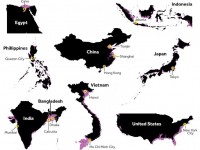
Climate Change Isn’t Just a 21st Century Problem
Humans have been burning fossil fuels for only about 150 years, yet that has started a cascade of profound changes that at their current pace will still be felt 10,000 years from now, a new study shows.
-

Gearing Up for Our First Cores
As they get to know their ship, the scientists aboard the JOIDES Resolution prepare to drill their first sediment cores along the Natal Valley off the coast of southern Africa.
-
The Sustainable City
By concentrating human population in cities, we will make it possible to preserve land for wilderness, ecosystem maintenance and agriculture. People will travel to these places and will experience nature, but only a fortunate few will live close to nature.
-

On the Surface, Feeling Further Away from the Ocean than Ever
My German colleague and I could conceptualize five kilometers horizontally—the same as her bike ride to work, the same as the first ever race I ran. Neither of us could quite grasp what flipping 5 kilometers 90 degrees might mean, as our pump continued on its 3-hour vertical journey to that depth.
-

Uncovering Impacts of Gold Mining in Papua New Guinea
From late December 2015 through January, a team of Earth Institute scientists and human rights lawyers from Columbia University worked in the highlands of Papua New Guinea to deliver the results of an independent study of water quality and human rights to the indigenous communities living near an industrial gold mine.


