Posts
-

Capstone Travel Journal: Episode 1
This week, students in the Master of Science in Sustainability Management program (MSSM)’s Integrative Capstone Workshop course traveled to Jordan to meet with representatives from the King Abdullah II Center for Excellence (KACFE). This is the first in a series of travel journal episodes about their experience in Jordan.
-

A Documentary: CERC Students Explore E-Waste Warehouse
CERC students visit and document their experiences on video at the Lower East Side Ecology Center’s new permanent e-waste warehouse located in Gowanus, Brooklyn.
-
New Study Lowers Estimate of Ancient Sea-Level Rise
But Projections for Increase Today Still Loom Large
-

Facing the Food and Water Challenges of the Future
The global population, now 7 billion, is expected to reach 9 billion by 2050 and will require 70 percent more food than we are producing today, and much more water for agriculture, drinking and industry. Will we have enough water to meet the demand?
-

Study Rainforest Ecology in Puerto Rico with SEE-U
The SEE-U Puerto Rico course provides students with a total immersion experience into the ecology and dynamics of a fragile and threatened environmental system.
-
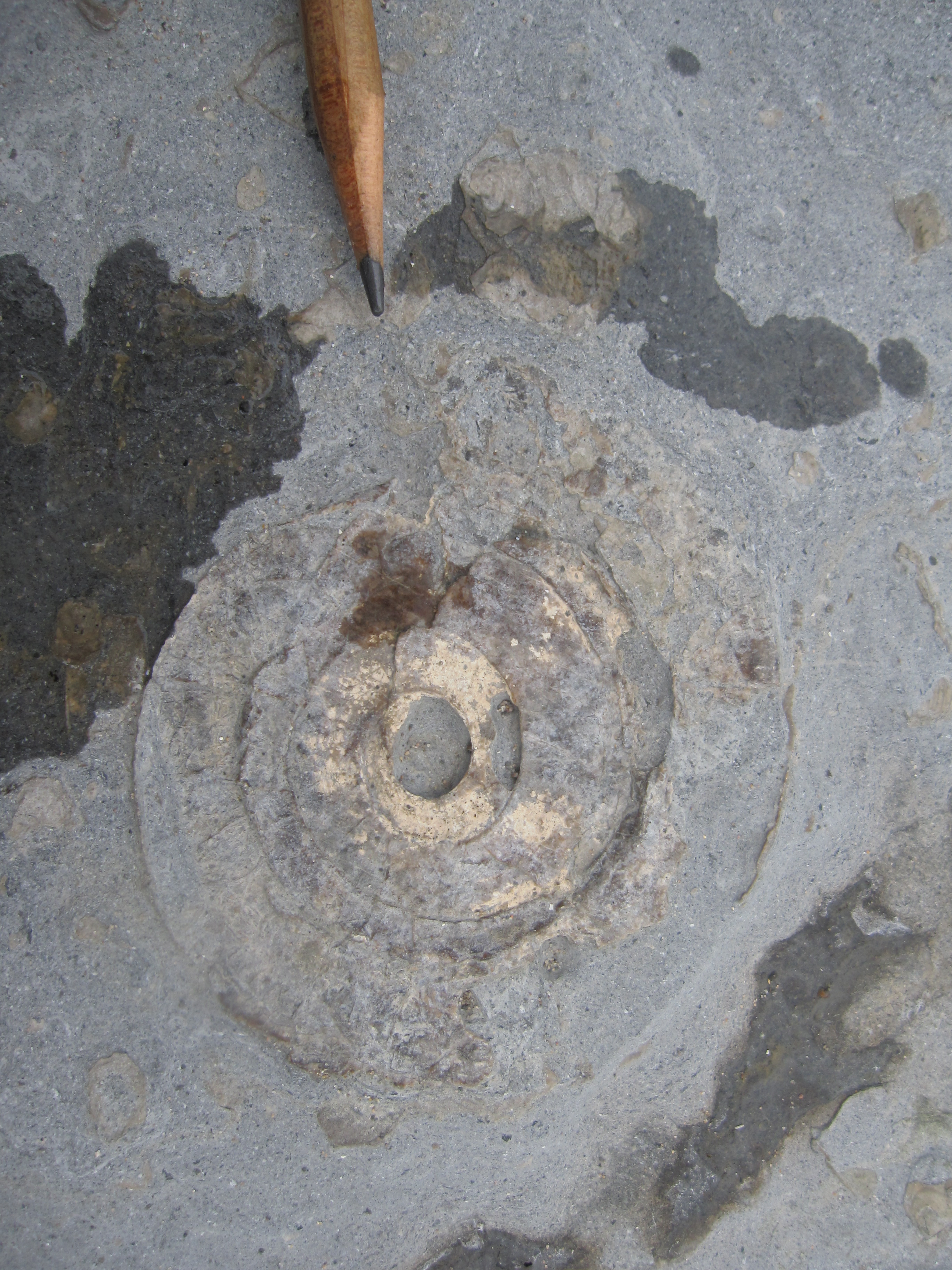
Changing Ocean Chemistry: the Poem
A study published earlier this month indicated that due to manmade emissions of carbon dioxide, the earth’s oceans are tipping toward acidity faster than at any time in the last 300 million years. It made world headlines, and this week the study was the subject of Sunday New York Times editorial, “Changing the Chemistry of Earth’s Oceans.” And now, the poem.…
-

At the Bottom of the Bottom of the World
As we in North America emerge from a remarkably mild winter, the brief and sunny summer in the world’s deep south is drawing to a rapid close. Antarctica’s days are becoming shorter, and come the vernal equinox the South Pole will enter into its yearly hibernation—six months of dusk and night. Researchers from Columbia University…
-

Class Trip – to Bangladesh
To help my students in a class on hazards of Bangladesh better understand the country, I am taking them there to experience Bangladesh for themselves.
-

Our Newest SEE-U Field Site in Jordan
In partnership with Columbia’s Global Center in Amman, the Columbia University Middle East Research Center, undergraduate students of all majors have the unique opportunity to study ecosystems and environmental sustainability in Jordan.


