Posts
-

Life as an Earth Institute Postdoctoral Fellow
By Daniel Soto About this time a two years ago, I was preparing my own application to be an Earth Institute Postdoctoral Fellow. I am beginning my second year in the fellowship and would like to share my experience with anyone who is interested in the program. My work here at the Earth Institute explores…
-

How You Can Help Earth Cope with 7 Billion
Earth’s population has more than doubled in the last 50 years to 7 billion. The numbers represent big challenges—feeding and providing for additional people on a planet already stressed by environmental damage and climate change. What can ordinary individuals do?
-

Workshop Is Practical Training for Environmental Students
MPA in Environmental Science and Policy students investigate sustainable fisheries, antibiotics in agriculture, hydrofracking, and the solar industry in New York. Students get real-world training analyzing environmental policy and proposing the best recommendations during program workshops.
-

Students Apply Classroom Skills as Sustainability Consultants
From the classroom to the conference room, Sustainability Management students are applying the skills they learn throughout their coursework to projects for real world clients. The Capstone Workshop is the culmination of their graduate degree requirements and the launching point for their careers as professional sustainability managers. The student workshop groups presented midterm briefings to…
-

Now is the Time for Climate Services
Last week, IRI organized a conference that brought together nearly 100 individuals from 30 countries to discuss the state and future of international climate services. What was discussed and what were the outcomes?
-
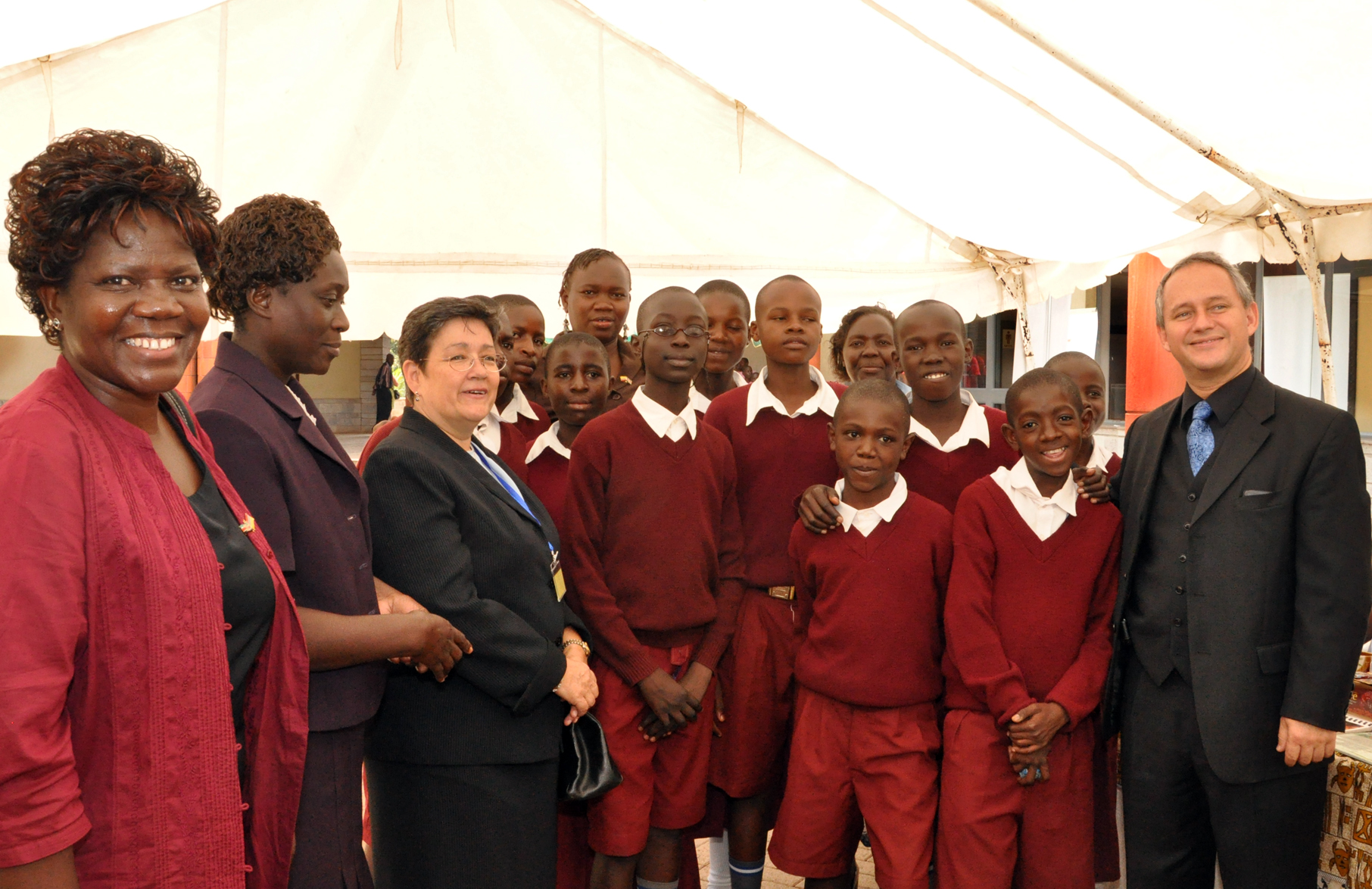
Sauri Millennium Village school feeding program gains Kenya-wide attention
Fourteen year old Eugene Obare and his friends from Nyamuninia Primary School in Sauri Millennium Village were invited to address a packed amphitheatre of delegates at the International Food Fair, organized by the National Museums of Kenya in Nairobi on October 7th. They are a new breed of happy, confident kids in rural Kenya who…
-

White-Nose Syndrome is Driving Conservation Batty
Scientists report in a recently published article in Nature that the fungus Geomyces destructans found on bats afflicted with White Nose Syndrome is the primary cause of the disease. However, amidst all the muck of doom and gloom, researchers report in the July issue of the Journal of Wildlife Diseases that affected bats can be…
-

Unsettled by Climate Change
Climate change already laps at the edges of some communities, disrupting local economies and habitat, and forcing resettlement. But a new study notes that any efforts to offset the effects of shifting climate could lead to even more displacement and disruption for many people, particularly the poor.
-

MS Student Tackles Challenges for a Sustainable Future
MS in Sustainability Management student Emily Briggs was drawn to the program by its “comprehensive and interdisciplinary structure and the breadth of courses it offered.” Emily recently discussed the growing need for sustainability managers.


