Posts
-
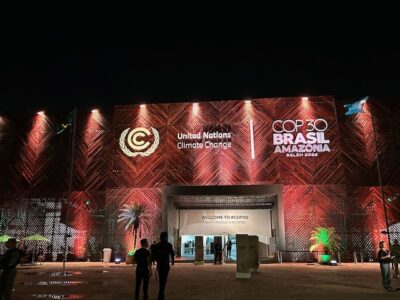
Columbia and Climate School Delegates Reflect on COP30
Columbia and Climate School faculty share their experiences from the annual climate conference, which took place in Brazil last month.
-
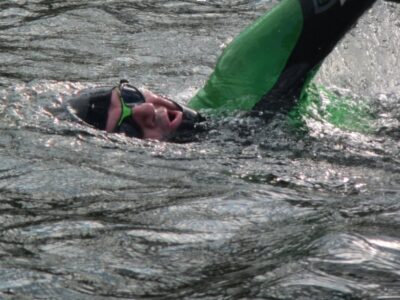
Swimming Toward a Constitutional Right for Nature
M.A. in Climate and Society student Christopher Swain swims long, polluted rivers to advocate for clean water and environmental justice.
-
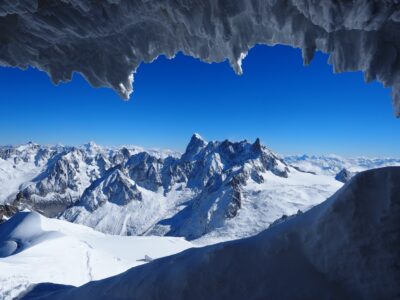
Will Glacier Melt Lead to Increased Seismic Activity in Mountain Regions?
In a recent study, scientists determined that climate change-induced glacial melt may cause more earthquakes.
-

Fight Food Waste This Holiday Season
It can be hard to eat, drink and be merry when the food waste epidemic is on the table.
-
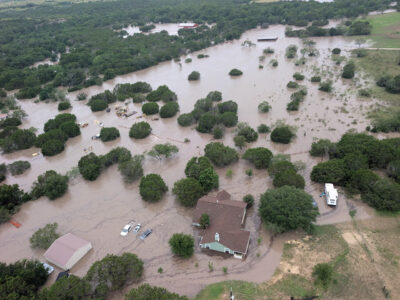
The July 4 Floods in Texas Weren’t a One-Off. They Were a Warning.
We cannot afford to focus solely on short-term fixes, while ignoring the long-term drivers of disaster risk.
-
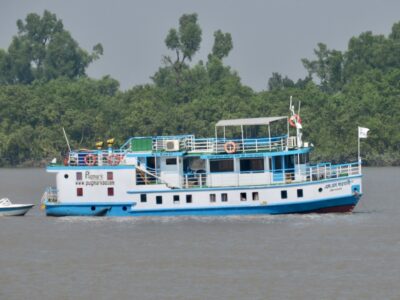
Sailing Around the Bangladesh Coastal Zone
The future sustainability of the delta depends on the balance of sea level rise, the subsidence of the land, and the deposition of sediments that can help maintain the land.
-
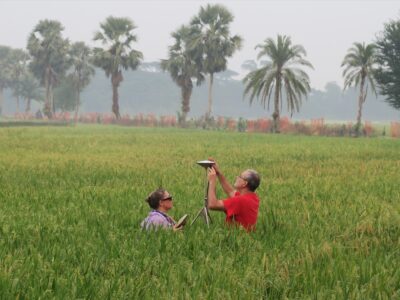
Driving Around the Bangladesh Coastal Zone
Mike Steckler travels around the coastal zone of the world’s largest delta in Bangladesh to repair GNSS (GPS) instruments.
-
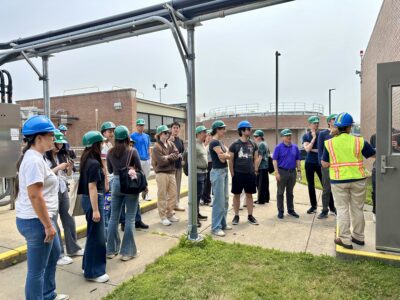
What a Visit to Stamford’s Wastewater and Recycling Facilities Reveals About Our Choices
Columbia’s MPA-ESP students explored Stamford, Connecticut’s Water Pollution Control Authority. They left with as many questions as answers.
-
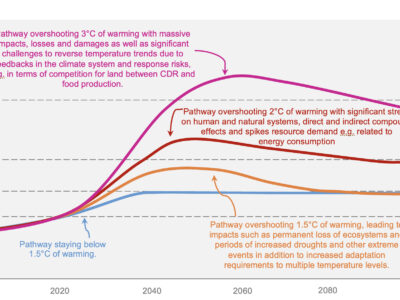
Societies Are Unprepared for the Human Costs of Climate Overshoot
While scientists have made progress describing overshoot’s physical impacts, its humanitarian and social consequences need greater focus, say the authors.


