algae
-
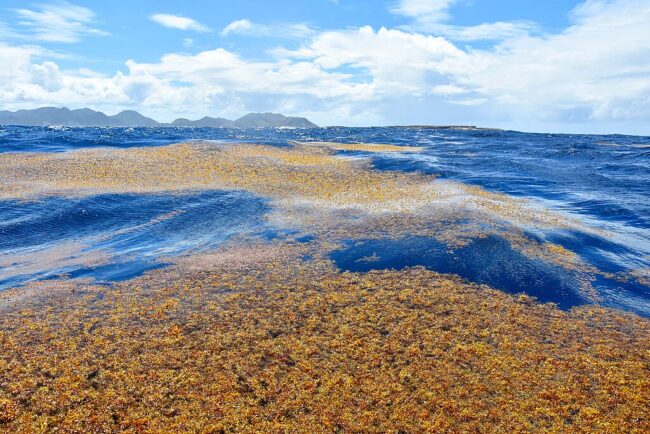
Harnessing AI, Scientists Discover a Rise in Floating Algae Across the Global Ocean
A recent study demonstrates the power of artificial intelligence as a tool for processing large amounts of ocean data.
-

Yes, These Flesh-Eating Algae Are Real. And They Like Their Prey Alive.
New research suggests that photosynthetic green algae also eat bacteria on a previously unsuspected scale.
-

Metals From Chinese Smokestacks Are Landing Far Away in the Pacific Ocean
Emissions from coal-fired power plants and possibly other sources in China are seeding the North Pacific Ocean with metals including iron, according to new a new study.
-

Fueled by Melting Glaciers, Algae Bloom Off Greenland
Iron particles catching a ride on glacial meltwater washed out to sea are likely fueling a recently discovered summer algal bloom off the southern coast of Greenland, according to a new study. Microalgae, also known as phytoplankton, are plant-like marine microorganisms that form the base of the food web in many parts of the ocean.…
-

Study Reveals Microbes’ Hidden Role in Fertilizing Oceans
Surprisingly little has been known about how phosphorous, an essential nutrient, cycles through the oceans. A new study has broken through some of this mystery, by showing the hidden role that the oceans’ tiniest creatures play.
-

Aureococcus
On skin, it’s barely a freckle I’d make, But baby, en masse, we turn seas opaque! Come darkness, come famine, come poison or flood, My kind can flourish in any old crud.
-

A Tale of Sea Ice, Algae and the Arctic
I returned to New York on Monday, but Lamont-Doherty Earth Observatory scientists Andy Juhl and Craig Aumack remain working in Barrow, Alaska for another week. They’ll continue to collect data and samples in a race against deteriorating Arctic sea ice conditions as the onset of summer causes the ice to thin and break up.
-

Science, Creativity and Isopods
It’s near midnight and Lamont-Doherty Earth Observatory researchers Andy Juhl and Craig Aumack, and Arizona State’s Kyle Kinzler are gathered around a table in their lab at the Barrow Arctic Research Consortium discussing the best way to catch an isopod.
-

Ctene Sensations of the Arctic Ocean
One of the goals of Andy Juhl’s and Craig Aumack’s Arctic research is to determine the role of ice algae as a source of nutrition for food webs existing in the water column and at the bottom of the Arctic ocean.


The first Earth Day in 1970 ignited a movement to stop polluting our planet. Today, our scientists and experts are tackling the most pressing challenges to achieve real-world impact. This Earth Day, join us in our commitment to realizing a just and sustainable future for our planet. Visit our Earth Day website for ideas, resources, and inspiration.
