algal blooms
-
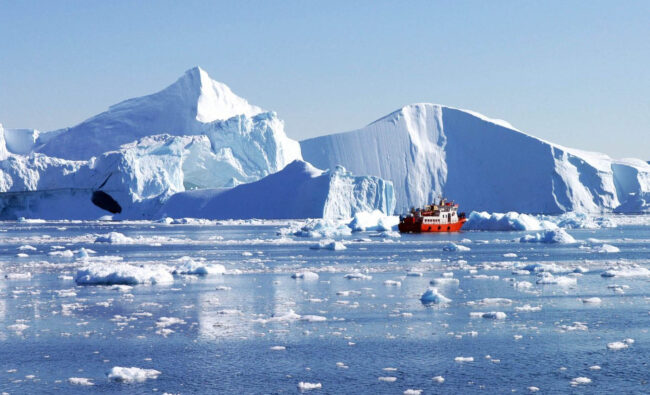
Algal Blooms: A ‘Dark’ Threat to Greenland’s Cooling Capabilities
Recent studies show that the deposition of nutrients on glaciers and ice sheets is causing rapid algal growth, reducing glacier albedo and warming the planet.
-

Cordilleran Ice Sheet Retreat Caused Volcanic Eruptions, Deoxygenation Events 10,000 Years Ago
New research shows that retreat of an ice sheet in the Pacific Northwest led to many volcanic explosions and ocean areas with low oxygen that threatened the health of marine ecosystems.
-

What’s Really Feeding Long Island’s Destructive Brown Tides?
A new study shows that phosphorus and nitrogen should be reduced to mitigate harmful algae blooms in coastal NY waters.
-

Columbia Team Helps Investigate Algae Bloom Near Kilauea Eruption
Researchers from the Lamont-Doherty Earth Observatory are exploring how volcanic inputs are influencing ocean health in Hawaii.
-

Studying Bioluminescent Blooms in the Arabian Sea
A plankton-like species is attacking the base of the food chain in the Arabian sea, disrupting water quality and killing fish. Researchers at the Lamont-Doherty Earth Observatory are learning how to fight back.
-

Water Quality Concerns Extend Well Beyond Flint
Researchers at the Columbia Water Center have been analyzing trends in drinking water quality violations. A critical lesson is that water quality violations extend well beyond the problem of lead in Flint’s drinking water.
-
Like Weeds of the Sea, ‘Brown Tide’ Algae Exploit Nutrient-Rich Coastlines
Close-Up Look at Genome May Lead to New Ways to Combat Harmful Blooms



COP31, the 2026 United Nations Climate Change Conference, aims to advance dialogue, strengthen consensus, and accelerate climate action on a global scale. From November 9–20, 2026 in Antalya, Türkiye, heads of state, ministers, scientists, business leaders, and civil society will gather to advance efforts in emission targets, climate finance, and adaptation and resilience. Once again, our experts, students, and global thought leaders from Columbia Climate School and across Columbia University are contributing to key events, sharing insights, and helping shape the dialogue toward ambitious, science-based solutions. Learn More
