Beizhan Yan
-
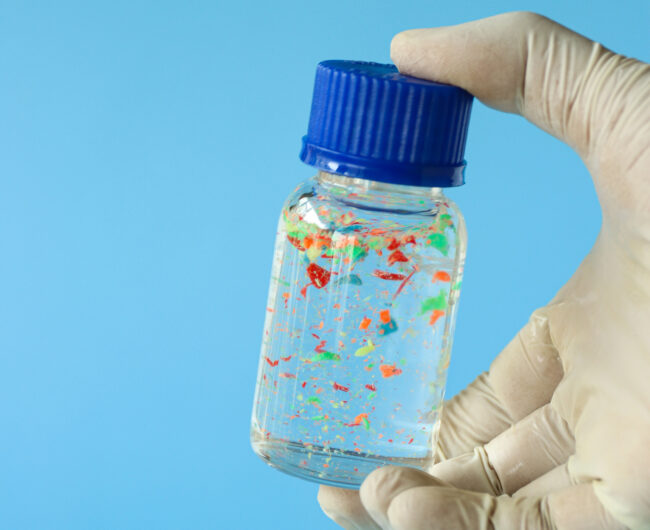
Microplastics Are Chemically Active, and Could Cause Biological Harm
A new study found that when microplastics contact water, their surfaces can become chemically reactive. This could be how they get us sick.
-
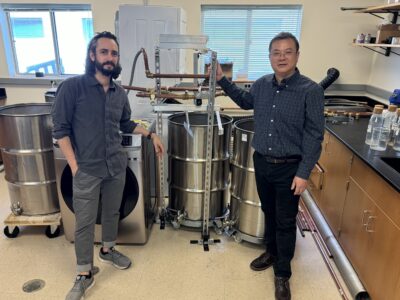
Two Sustainability Students See Opportunity Hidden in Laundry-Induced Microplastic Pollution
Students and faculty at Columbia’s M.S. in Sustainability Management and Sustainability Science programs turned cutting-edge research on microplastics into Moby Filter, a sustainability startup tackling laundry-induced pollution at its source.
-
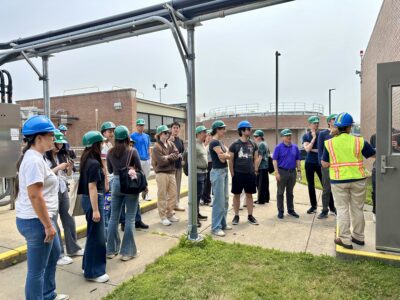
What a Visit to Stamford’s Wastewater and Recycling Facilities Reveals About Our Choices
Columbia’s MPA-ESP students explored Stamford, Connecticut’s Water Pollution Control Authority. They left with as many questions as answers.
-

How AI Is Revolutionizing the Recycling Industry
Modern waste facilities are incorporating AI into their systems, using robots guided by AI vision systems and machine learning algorithms, high resolution cameras, hyperspectral imaging, near-infrared sensors and predictive analytics.
-

Nanoplastics Are All Around (and Inside) Us
How are humans exposed to these tiny and ubiquitous plastics? And is there anything we can do about it?
-

Science for the Planet: Tackling the Invisible Threat of Nanoplastics
Beizhan Yan, an environmental geochemist at the Lamont-Doherty Earth Observatory, has come up with new methods to detect and analyze tiny plastic particles to better understand their impact on human and environmental health.
-

World Water Film Festival Makes a Splash at Columbia Climate School
The event featured films and speakers from around the world who spotlighted humanity’s essential relationship with water and how it continues to evolve in our changing climate.


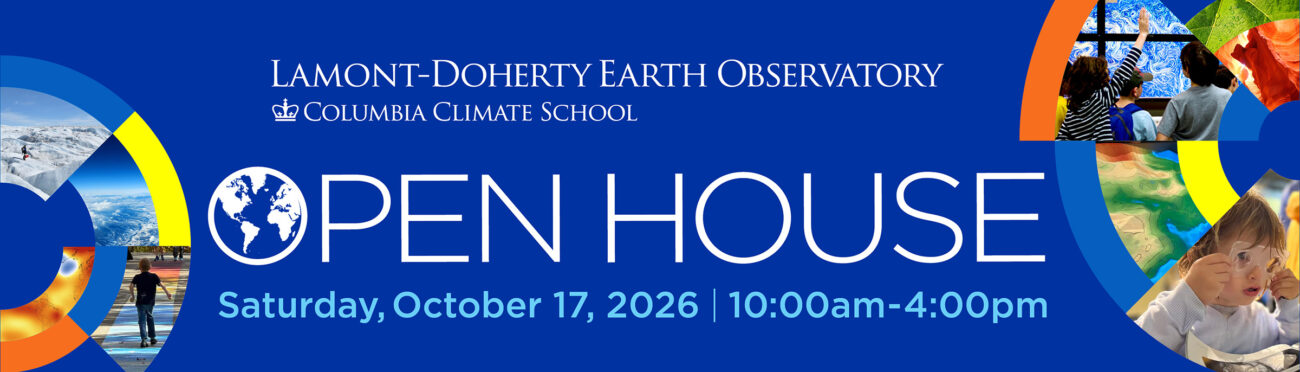
On Saturday, October 17, 2026 from 10am to 4pm, Lamont-Doherty Earth Observatory Open House—our biggest, best science fun and discovery event of the year—will take place on our beautiful campus in Palisades, NY. Mark your calendar and join us for this free, family-friendly celebration of science! RSVP Today!
