State of the Planet

News from the Columbia Climate School

climate adaptation11

  • Volkswagen Needs to Adopt 21st Century Sustainability Management

    While it is true that many nations do not enforce their environmental and occupational health and safety rules, a quick study of economic history demonstrates that the trend is toward more enforcement rather than less enforcement. And even when the government ignores noncompliance with the law, NGOs and consumers notice it.

  • Arctic Oil Drilling: Deluding Communities About the Benefits of Resource Extraction

    We continue to need resources that the earth provides and someday we may even mine other planets. But communities that rely on mining alone, or even depend on resource extraction as their primary source of revenue, are asking to be left behind in the modern global economy.

  • California Takes the Lead on Climate Policy

    While current technology could be used to achieve the new climate policy goals, it will be far easier to meet and exceed the new standards if new technologies are developed and implemented. For California, the key will be the rapid development of the electric car.

  • The Transformative Potential of Sustainability Education

    The transition to a renewable economy requires education at every level. We need students in public and private schools to develop a deeper understanding of the global sustainability crisis, but we also need aspiring professionals and current professionals to develop the expertise needed to begin the transformation in real time, today.

  • Warming Climate Is Deepening California Drought

    Scientists Say Increasing Heat Drives Moisture from Ground

  • The Centrality of Sustainability

    The most powerful political argument for protecting the planet is that to retain what we have, we must gradually change how we deliver the goods and services that people enjoy. The argument that people must give up what they enjoy does not win elections.

  • Anthropocene and Its Victims: Migration as Failure or Adaptive Strategy?

    Anthropocene and Its Victims: Migration as Failure or Adaptive Strategy?

    Gemenne argues that climate change is a form of political persecution, that victims of the anthropocene are also victims of political persecution, thus, we should reinstate the term “climate refugee.”

  • Photo Essay: Iceland at the Cutting Edge of Climate Change

    Photo Essay: Iceland at the Cutting Edge of Climate Change

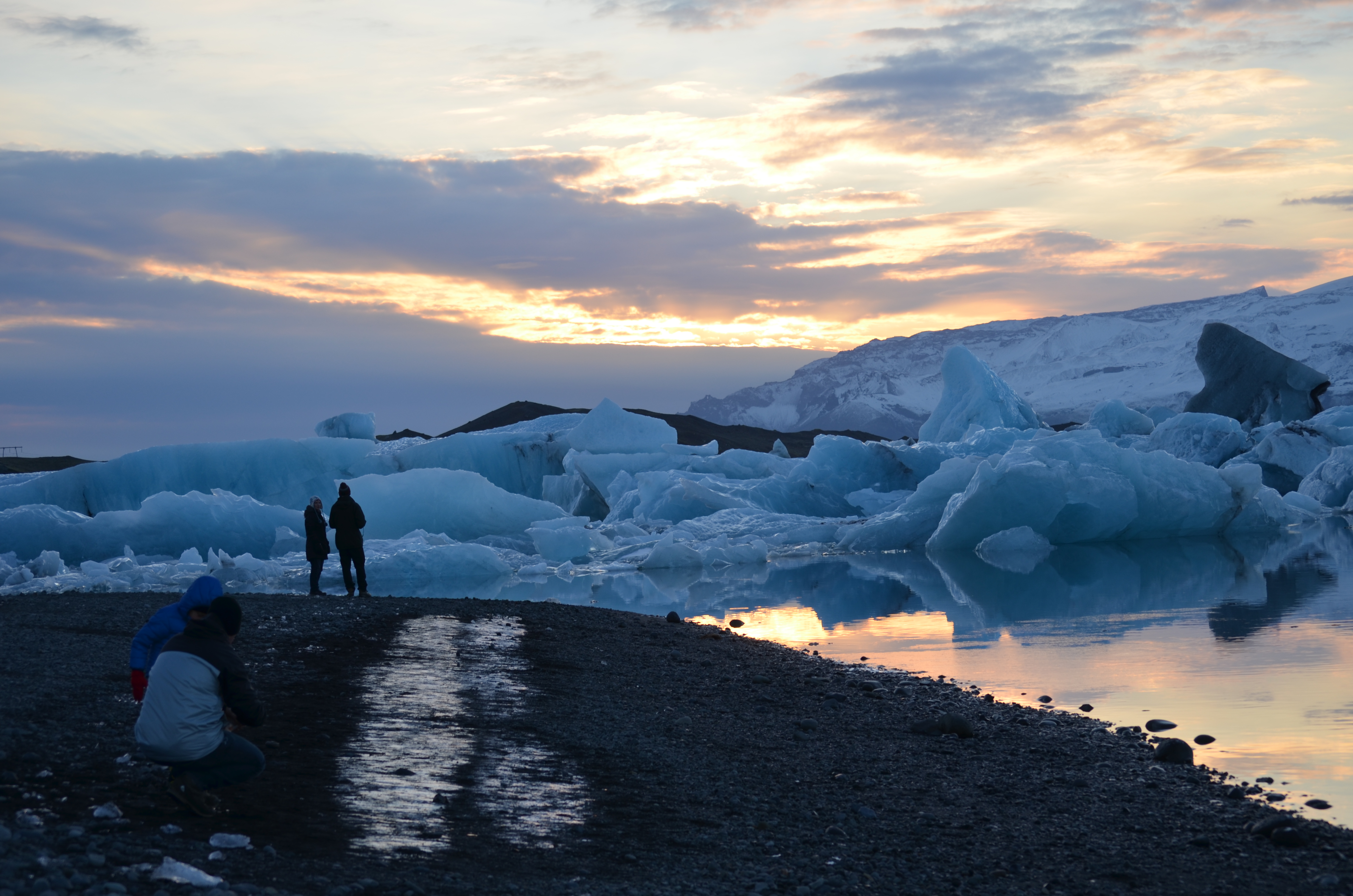
    Iceland has a complicated relationship with climate change. As in much of the far north, global warming is already exerting many effects here–arguably both good and bad. Yet the country contributes relatively little to the warming, since most of its energy comes from geothermal and hydro plants, which produce little carbon dioxide. Now, it is…

  • Study: NASA Sites Vulnerable to Climate Change

    Study: NASA Sites Vulnerable to Climate Change

    NASA has been at the forefront of climate science, launching satellites that take the pulse of Earth’s land, oceans and atmospheric systems. But the agency is increasingly vulnerable itself to the effects of a changing climate.

Composite banner with modern building at night and portrait of Dean Alexis Abramson that reads "Science for the Planet"

By studying thousands of buildings and analyzing their electricity use, Columbia Climate School Dean Alexis Abramson has been able to uncover ways to significantly cut energy consumption and emissions. Watch the Video: “Engineering a Cooler Future Through Smarter Buildings

  • Volkswagen Needs to Adopt 21st Century Sustainability Management

    While it is true that many nations do not enforce their environmental and occupational health and safety rules, a quick study of economic history demonstrates that the trend is toward more enforcement rather than less enforcement. And even when the government ignores noncompliance with the law, NGOs and consumers notice it.

  • Arctic Oil Drilling: Deluding Communities About the Benefits of Resource Extraction

    We continue to need resources that the earth provides and someday we may even mine other planets. But communities that rely on mining alone, or even depend on resource extraction as their primary source of revenue, are asking to be left behind in the modern global economy.

  • California Takes the Lead on Climate Policy

    While current technology could be used to achieve the new climate policy goals, it will be far easier to meet and exceed the new standards if new technologies are developed and implemented. For California, the key will be the rapid development of the electric car.

  • The Transformative Potential of Sustainability Education

    The transition to a renewable economy requires education at every level. We need students in public and private schools to develop a deeper understanding of the global sustainability crisis, but we also need aspiring professionals and current professionals to develop the expertise needed to begin the transformation in real time, today.

  • Warming Climate Is Deepening California Drought

    Scientists Say Increasing Heat Drives Moisture from Ground

  • The Centrality of Sustainability

    The most powerful political argument for protecting the planet is that to retain what we have, we must gradually change how we deliver the goods and services that people enjoy. The argument that people must give up what they enjoy does not win elections.

  • Anthropocene and Its Victims: Migration as Failure or Adaptive Strategy?

    Anthropocene and Its Victims: Migration as Failure or Adaptive Strategy?

    Gemenne argues that climate change is a form of political persecution, that victims of the anthropocene are also victims of political persecution, thus, we should reinstate the term “climate refugee.”

  • Photo Essay: Iceland at the Cutting Edge of Climate Change

    Photo Essay: Iceland at the Cutting Edge of Climate Change

    Iceland has a complicated relationship with climate change. As in much of the far north, global warming is already exerting many effects here–arguably both good and bad. Yet the country contributes relatively little to the warming, since most of its energy comes from geothermal and hydro plants, which produce little carbon dioxide. Now, it is…

  • Study: NASA Sites Vulnerable to Climate Change

    Study: NASA Sites Vulnerable to Climate Change

    NASA has been at the forefront of climate science, launching satellites that take the pulse of Earth’s land, oceans and atmospheric systems. But the agency is increasingly vulnerable itself to the effects of a changing climate.