climate change121
-

The Law of Drowning Nations
Sea levels are inching up year by year, and by various projections could be two to six feet higher by 2100—enough to make some small, low-lying island nations uninhabitable, or simply to wipe them off the map. What rights will citizens have to live elsewhere; in fact, will these entities actually still be nations, with…
-

NY State Prepares for Natural Disasters: A Q&A with Cynthia Rosenzweig
Cynthia Rosenzweig of the NASA Goddard Institute for Space Studies talks about the work of the New York State Ready Commission, set up after Hurricane Sandy to study how the state can better prepare for natural disasters.
-
Study Predicts Lag in Summer Rains Over Parts of U.S. and Mexico
Delay Could Affect Agriculture, Livestock, Desert Ecosystems
-

A New Primer on Sea Level
The threat of sea-level rise–actually, its ongoing reality–has been on many more minds since New York and surrounding areas were walloped during Hurricane Sandy by a record-high storm surge, abetted by a water level that has risen steadily over the last century. That level will keep rising if climate keeps warming, and so, probably, will…
-

Discussing Climate, Cities and Food
Last week, the Earth Institute and the International Research Institute for Climate and Society hosted a discussion on cities, food and climate. What were people saying? Find out in this Storify recap of reactions from across Twitter!
-

Making Sense of Climate’s Impact on Food Security
From warmer temperatures to natural disasters such as flooding and drought, changing patterns of climate are having billion-dollar impacts on our food-growing systems. But scientists are struggling to find ways to measure and predict what may happen in the future—and to translate that into policies to help feed a bulging world population.
-

Extreme Weather Adds Up to Troubling Future
Extreme weather and climate-related events already have cost the United States billions of dollars. A recent symposium focused on what we know about the causes and how changing climate affects agriculture, water supplies, wildlife and our economy.
-

IcePod Clears Hurdles and Takes to the Air
The morning briefing room was filled with layers of engineers and technicians from the civilian side, matched with pilots, navigators and air support staff from the Air National Guard side. Spanning the middle were the two Systems Project Office (S.P.O.) representatives. Adding new instrumentation and equipment to any aircraft requires intense scrutiny, but on a…
-

Rosario’s Farm: Rising Tides, Shrimp from the Forest
Rosario Costa-Cabral and her brothers harvest hundreds of fruits, oils and wood products from the stream-laced forest of the Amazon River delta. But the climate here is changing: Tides rise higher, and seasonal floods are growing worse.


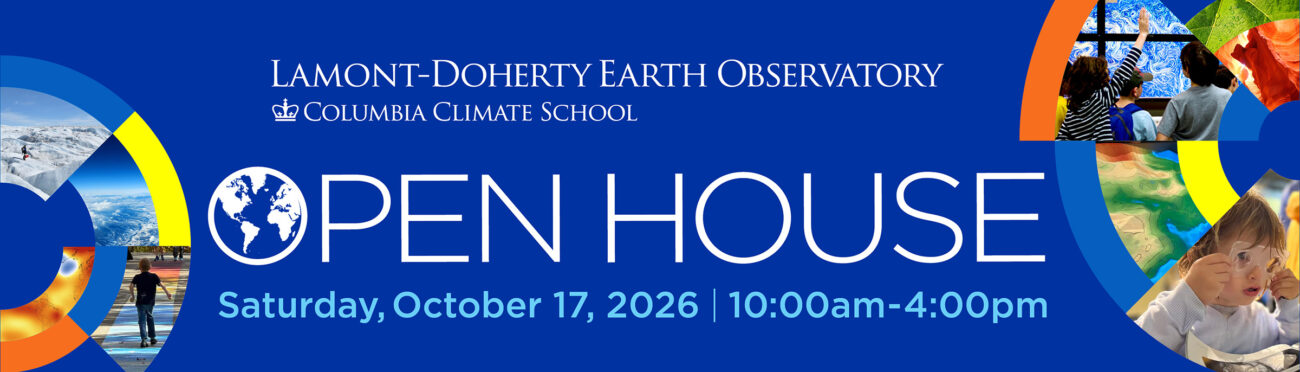
On Saturday, October 17, 2026 from 10am to 4pm, Lamont-Doherty Earth Observatory Open House—our biggest, best science fun and discovery event of the year—will take place on our beautiful campus in Palisades, NY. Mark your calendar and join us for this free, family-friendly celebration of science! RSVP Today!