climate change59
-
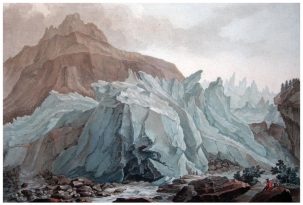
The Climate Epochs That Weren’t
Climate scientists often invoke the Medieval Warm Period and the Little Ice Age as natural worldwide climate swings predating human influences. They may not have worked the way we think.
-

How Did Africa’s Grasslands Get Started?
Millions of years ago, vegetation across much of the world underwent a transformation as grasses with a new way of doing photosynthesis displaced previously dominant plants, shrubs and trees. A new study examines what got these plants started, and why they spread so far and wide.
-

Study Bolsters Case That Climate Change Is Driving Many California Wildfires
A new study combs through the factors that can promote wildfires in California, and concludes that in many cases, warming climate is the decisive driver.
-

Ben Orlove on the Anthropology of Climate Change and Glacier Retreat
Scientist Ben Orlove discusses why it’s important to bring an anthropological dimension to the science of climate change and glacial retreat.
-

Nature-Based Solutions: The Missing Ingredient in Climate Adaptation?
Restoring natural ecosystems can make communities more resilient to climate change while offering other benefits along the way.
-

Accelerating Climate Solutions Through Novel Research
Between 2016 and 2018, the Center for Climate and Life awarded $2.1 million to 10 leading scientists who are bringing a fresh perspective to one of the most pressing issues of our times.
-

Part of the Pacific Ocean Is Not Warming as Expected. Why?
Climate models predict that as a result of human-induced climate change, the surface of the Pacific Ocean should be warming. But one key part is not.
-

How Climate Change Impacts the Economy
Warming temperatures, rising seas, and more extreme weather are going to cost us. But they’ll create new business opportunities, too.
-

Melting of Himalayan Glaciers Has Doubled in Recent Years
A new study is the latest and perhaps most convincing indication that climate change is eating the Himalayas’ glaciers, potentially threatening water supplies for hundreds of millions of people across much of Asia.


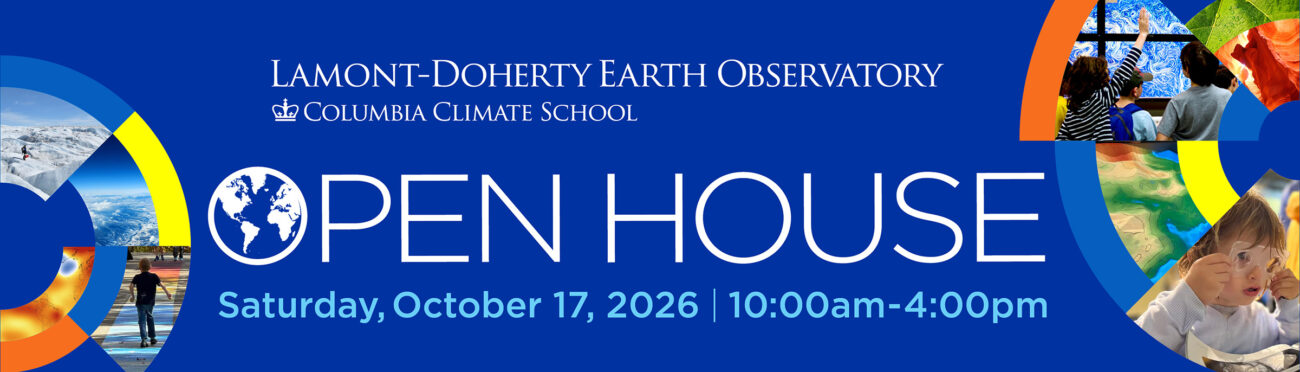
On Saturday, October 17, 2026 from 10am to 4pm, Lamont-Doherty Earth Observatory Open House—our biggest, best science fun and discovery event of the year—will take place on our beautiful campus in Palisades, NY. Mark your calendar and join us for this free, family-friendly celebration of science! RSVP Today!
