climate finance
-
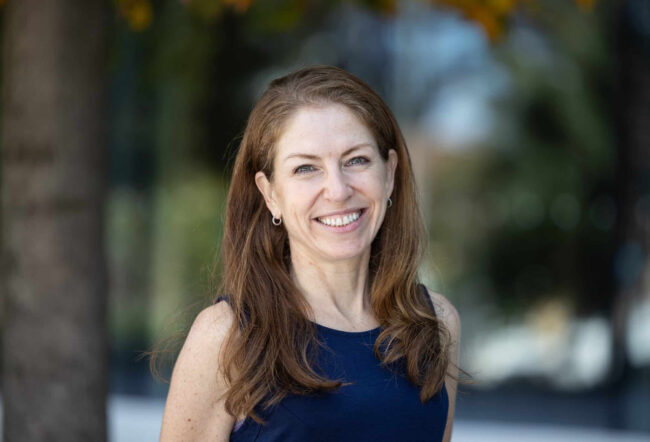
Beyond Net-Zero Targets: Lisa Sachs on Designing Systems for Decarbonization
Sachs, director of Columbia’s Center on Sustainable Investment, argues that durable climate progress begins with systems diagnosis, not isolated technologies, targets or promises.
-

This Stanley Park Fellow Is Studying Climate Finance To Help Guide Chile’s Energy Transition
M.S. in Climate Finance student Martín Urrutia Illanes combines engineering, renewable energy development and financial analysis to address Chile’s climate challenges.
-
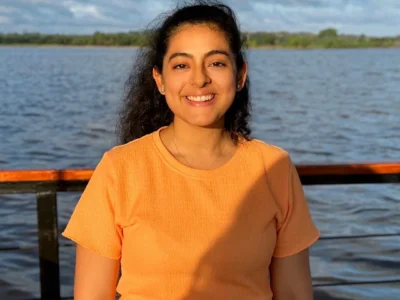
From Peru to Columbia: Marialexandra Horna Arrieta’s Path to Climate Finance
Horna, a Stanley Park Climate Finance Scholarship recipient, is pursuing economics and green finance to drive sustainable investment across Latin America.
-

Climate Finance Student Guy Ningabo Believes Better Impact Finance Can Transform Renewable Energy in Africa
Born and raised in Burundi, East Africa, Ningabo is one of three recipients of the prestigious Stanley Park Climate Finance Scholarship for the M.S. in Climate Finance. He shares more about his journey and what keeps him motivated.
-

The Future of Climate Finance
Climate economist Gernot Wagner argues public climate finance should de-risk private investment, fund adaptation for vulnerable countries and help multilateral development banks scale proven climate technologies faster.
-

AI’s Promise Requires Innovation in Governance, Not Technology Alone
New research highlights that without a coordinated global agreement, AI risks accelerating the very crises it could help solve.
-

Climate Finance in the Multipolar Era
Climate finance in the multipolar era will be driven less by collective targets and more by the need to manage geopolitical security risks in a less stable world.
-

Why We’re All on the Same Team in the Fight Against Climate Change
Campbell Award winner Marina Saguar Urquiola is helping to solve climate change through adaptation finance.
-
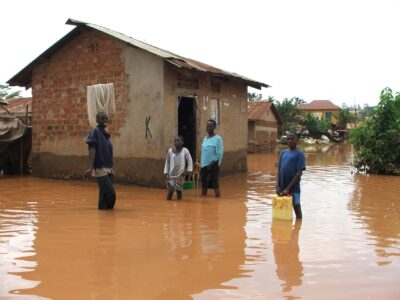
Climate Finance Has Failed Africa Twice Over. Here’s How To Fix It.
Credit-rating methodologies must stop treating poverty as a self-fulfilling proxy for default risk.



COP31, the 2026 United Nations Climate Change Conference, aims to advance dialogue, strengthen consensus, and accelerate climate action on a global scale. From November 9–20, 2026 in Antalya, Türkiye, heads of state, ministers, scientists, business leaders, and civil society will gather to advance efforts in emission targets, climate finance, and adaptation and resilience. Once again, our experts, students, and global thought leaders from Columbia Climate School and across Columbia University are contributing to key events, sharing insights, and helping shape the dialogue toward ambitious, science-based solutions. Learn More
