compost
-
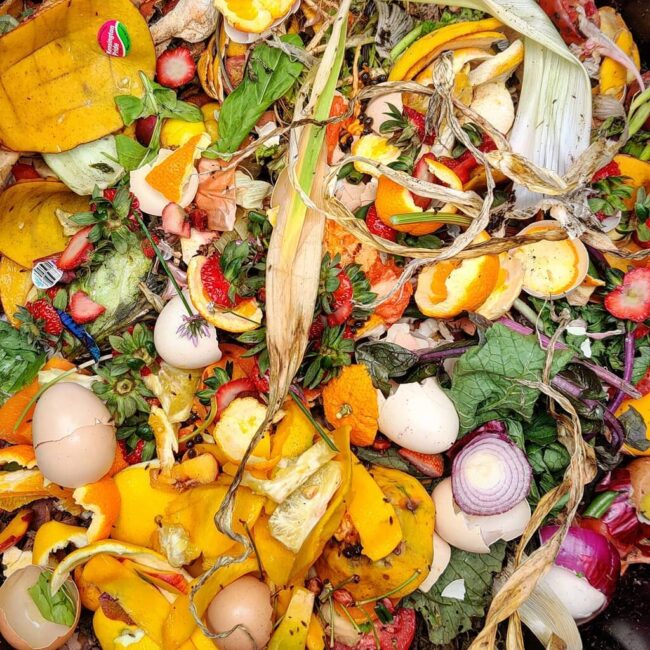
NYC’s Composting Rates Are Low. A Sustainability Expert Thinks AI Will Offer a Solution. Eventually.
Steve Cohen, director of Columbia’s M.S. in Sustainability Management program, discusses the present and future of food waste programs in NYC.
-

Introducing the ‘Food Pod for Humanity’ Podcast
The Food Pod for Humanity podcast explores topics at the intersection of food systems and climate change.
-

Food Waste and the Complexity of New York City’s Garbage
The goal of reusing food waste is worthwhile, though NYC’s new mandatory residential food recycling has some design problems.
-

New York City’s Food Waste and the Circular Economy
Food waste provides an opportunity for New York City to place itself on the cutting edge of waste recycling.
-

Composting—Turning Garbage into Black Gold
Forty percent of our food is wasted, but through composting, food waste can be turned into black gold—so called because compost, the mixture of decayed organic matter, is valuable as a nutrient-rich soil additive. In the United States, however, less than 3 percent of food waste is composted.



COP31, the 2026 United Nations Climate Change Conference, aims to advance dialogue, strengthen consensus, and accelerate climate action on a global scale. From November 9–20, 2026 in Antalya, Türkiye, heads of state, ministers, scientists, business leaders, and civil society will gather to advance efforts in emission targets, climate finance, and adaptation and resilience. Once again, our experts, students, and global thought leaders from Columbia Climate School and across Columbia University are contributing to key events, sharing insights, and helping shape the dialogue toward ambitious, science-based solutions. Learn More
