congestion pricing2
-
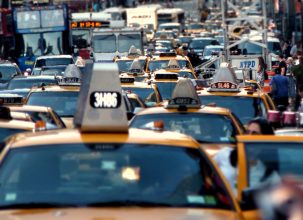
Congestion Pricing and a Sustainable NYC
Solving the transit problem is key to New York City’s health and well-being, and a new congestion pricing proposal is serious starting point.
-

The State and Future of Congestion Pricing in China
To combat urban air pollution and traffic problems, some propose congestion pricing as a cost-effective policy to reduce pollution and improve productivity through improved travel speeds. Cities in China could implement this policy and ameliorate some of the negative effects of congestion-caused pollution. So why is congestion pricing dead on arrival in China?



COP31, the 2026 United Nations Climate Change Conference, aims to advance dialogue, strengthen consensus, and accelerate climate action on a global scale. From November 9–20, 2026 in Antalya, Türkiye, heads of state, ministers, scientists, business leaders, and civil society will gather to advance efforts in emission targets, climate finance, and adaptation and resilience. Once again, our experts, students, and global thought leaders from Columbia Climate School and across Columbia University are contributing to key events, sharing insights, and helping shape the dialogue toward ambitious, science-based solutions. Learn More
