disaster preparedness
-
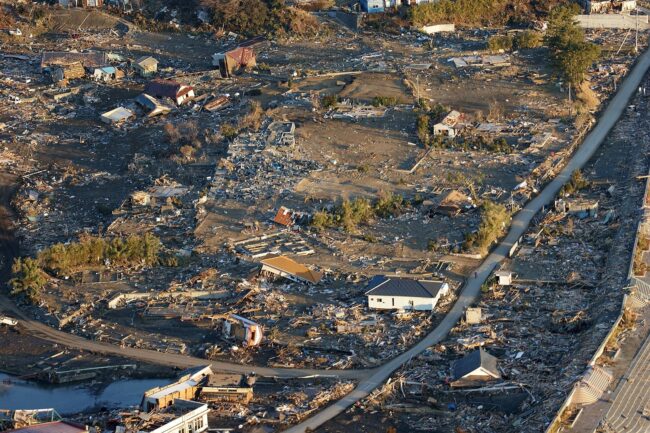
Leveraging Next-Generation Tsunami Early Warning Systems to Save Lives
Tsunami early warning systems save lives not just when they are fast or accurate, but when they are trusted, understood and acted upon.
-

Columbia Climate School Students Take On Coastal Flooding at a U.N. Conference
At the Global Platform for Disaster Risk Reduction Summit, a team of postgrad and current students worked through the night on a multimedia presentation of hazard predictions and proposed solutions.
-

What a Year of Climate Research Taught Me About Resilience
High school senior Michelle Rozenfeld reflects on what she learned interning with the National Center for Disaster Preparedness.
-

Highlights: ‘From Chaos to Code: How AI Can Tame the Climate Crisis’
Part of the inaugural Columbia AI Summit, this session addressed how AI is emerging as a powerful tool in climate science, disaster preparedness, and building resilience across interconnected systems.
-
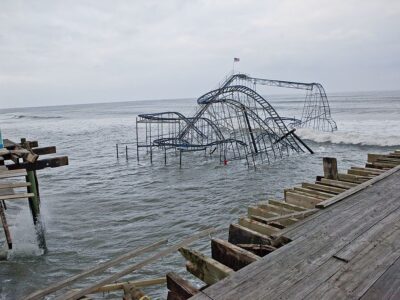
Twelve Years After Sandy, Have We Gotten Better at Preparing for Disaster?
Jeffrey Schlegelmilch, the director of Columbia’s National Center for Disaster Preparedness, reflects on applying lessons from Hurricane Sandy to more recent disasters.
-

Glacier Flooding in Alaskan Capital Sets New Record
For the second year in a row, historic glacier floods have damaged hundreds of homes, cars and businesses in Juneau, Alaska.
-

Designing Impactful Climate Literacy Education for Emergency Management—and Beyond
Emergency managers are already facing the consequences of climate change in the workplace. How can education programs better prepare them for crises?
-

Celebrating Women in Science: Disaster-Preparedness Researcher Thalia Balkaran
A Q&A with Thalia Balkaran, postdoctoral research scientist at the Columbia Climate School’s National Center for Disaster Preparedness, in honor of the International Day of Women and Girls in Science.
-

Climate School Report Details 2023 State Policy Trends in Disaster Resilience
Every U.S. state passed some kind of disaster resilience policy in 2023, according to the National Center for Disaster Preparedness, which released a report examining over 600 U.S. state disaster resilience bills enacted last year.


The first Earth Day in 1970 ignited a movement to stop polluting our planet. Today, our scientists and experts are tackling the most pressing challenges to achieve real-world impact. This Earth Day, join us in our commitment to realizing a just and sustainable future for our planet. Visit our Earth Day website for ideas, resources, and inspiration.
