Folarin Kolawole
-
Giant Canyon on Mars Is Still Tectonically Active Today
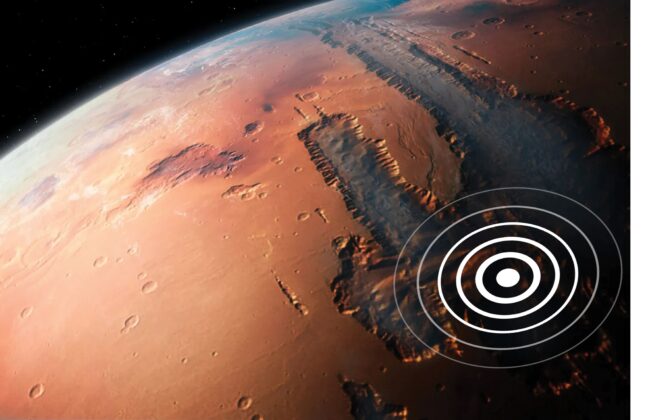
Scientists at Columbia University and Imperial College London have found that the largest canyon system in the solar system is still active and shaping Mars today, billions of years after it first formed.
-
August Research Roundup: Select Papers
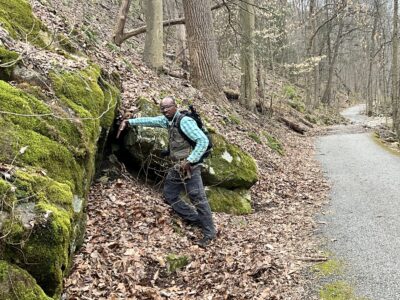
This month, we covered a long-term analysis suggesting that landfill methane emissions may be far higher than estimated, as well as new research on unexpected trends in U.S. extreme rainfall. Here are additional studies worth noting.
-
Geologist Folarin Kolawole Receives 2026 National Geographic Wayfinder Award
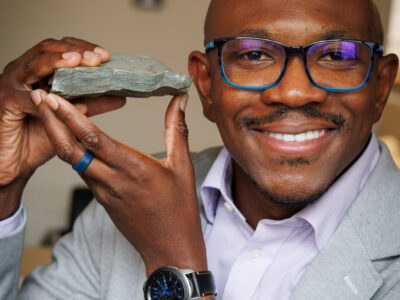
Folarin Kolawole is one of 15 recipients of this year’s National Geographic Society’s Wayfinder Award, which recognizes people whose work is expanding our understanding of the planet and helping to protect its future.
-
In Eastern Africa, the Cradle of Humankind Is Tearing Apart
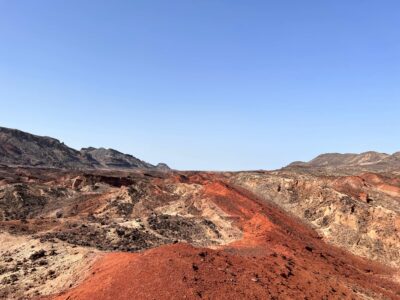
Researchers have found that Earth’s underlying crust in the Turkana Rift region has been significantly thinned, presaging Africa’s eventual breakup—and with that finding, the researchers offer a new perspective on Turkana’s fossil record of human evolution.
-
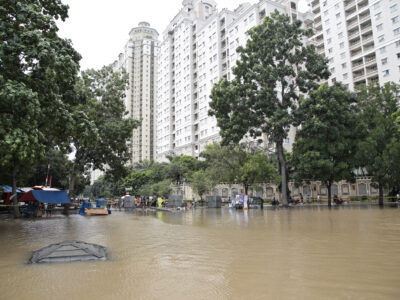
Sinking Land Drives Hidden Flood Risk in One of the World’s Most Populated Regions
A new study finds that land subsidence is outpacing ocean-driven sea-level rise along the northern coastline of Java Island, Indonesia.
-
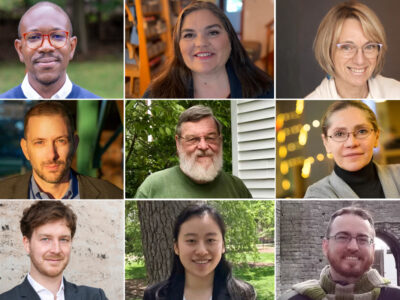
Nine Lamont-Doherty Earth Observatory Researchers Honored by Leading Scientific Organizations
Scientists connected with the Lamont-Doherty Earth Observatory, which is part of the Columbia Climate School, received notable accolades from renowned national and international research societies this fall.
-

Shaking From April’s New Jersey Quake Went Oddly Far, Raising Questions on Regional Hazard
An earthquake on April 5, 2024, was felt at surprisingly long distances. What does it mean for assessing regional hazard?



COP31, the 2026 United Nations Climate Change Conference, aims to advance dialogue, strengthen consensus, and accelerate climate action on a global scale. From November 9–20, 2026 in Antalya, Türkiye, heads of state, ministers, scientists, business leaders, and civil society will gather to advance efforts in emission targets, climate finance, and adaptation and resilience. Once again, our experts, students, and global thought leaders from Columbia Climate School and across Columbia University are contributing to key events, sharing insights, and helping shape the dialogue toward ambitious, science-based solutions. Learn More
