Gernot Wagner
-

The Future of Climate Finance
Climate economist Gernot Wagner argues public climate finance should de-risk private investment, fund adaptation for vulnerable countries and help multilateral development banks scale proven climate technologies faster.
-
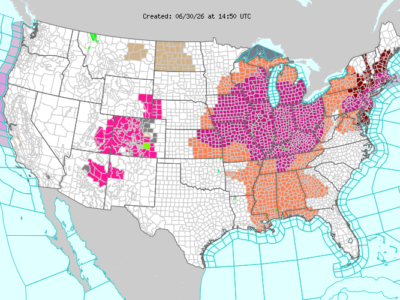
Extreme Heat Is Here: What Columbia Climate School Experts Want You to Know
As a dangerous early-summer heat wave covers swaths of the globe, Columbia Climate School experts discuss the impacts of extreme heat.
-

The AI Revolution Mirrors the Green Transition
The AI buildout and the green transition both present significant and similar opportunities and challenges.
-
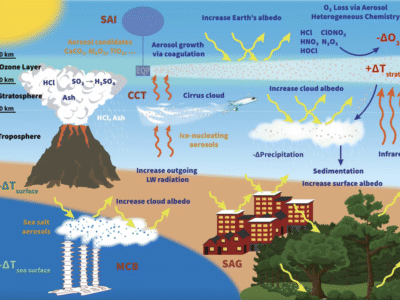
How Hard Is It to Dim the Sun?
Solar radiation management is gaining traction as a climate intervention—but new research warns that real-world constraints make it riskier and more uncertain than most models suggest.
-

Powering the Future: Innovative Renewable Energy Projects Around the World
Take a virtual tour of some remarkable renewable energy projects from around the globe, each showcasing innovative technology, ambitious scale, and a commitment to a cleaner, more sustainable future.
-

‘Doomsday’ Antarctic Glacier Melting Faster Than Expected, Fueling Calls for Geoengineering
With the fate of the Thwaites Glacier still uncertain, some experts are pushing for geoengineering and more intense climate action.



COP31, the 2026 United Nations Climate Change Conference, aims to advance dialogue, strengthen consensus, and accelerate climate action on a global scale. From November 9–20, 2026 in Antalya, Türkiye, heads of state, ministers, scientists, business leaders, and civil society will gather to advance efforts in emission targets, climate finance, and adaptation and resilience. Once again, our experts, students, and global thought leaders from Columbia Climate School and across Columbia University are contributing to key events, sharing insights, and helping shape the dialogue toward ambitious, science-based solutions. Learn More
