green transition
-
The AI Revolution Mirrors the Green Transition
The AI buildout and the green transition both present significant and similar opportunities and challenges.
-

The Accomplishments and Limits of Environmental Policy
For environmental policy to be effective, it must encourage the transition already underway in many private businesses, focusing on continuous improvement rather than the achievement of symbolic goals, with a broader scope than climate change alone.
-

Generational and Cultural Change is Stimulating Environmental Sustainability
The consequences of climate change are particularly salient for young people, who have only known a world under constant change. They see the crowded and endangered planet they are set to inherit and are motivated to try to protect it.
-

The Challenge of Sustainable Fashion
Young people, who are the primary market for fast fashion, are beginning to understand the environmental damage caused by the industry.
-

Building Green Energy Facilities May Produce Substantial Carbon Emissions, Says Study
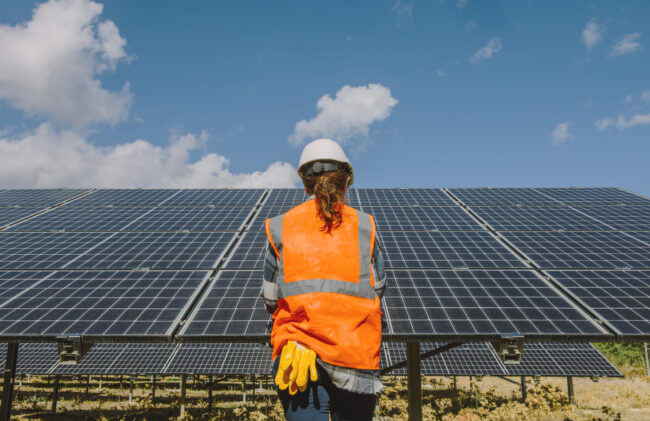
Moving from fossil fuels to solar panels, wind turbines and other renewable energy sources will by itself create a new stream of carbon emissions with the construction so much new infrastructure. The good news: Speeding the transition would greatly reduce this effect.



COP31, the 2026 United Nations Climate Change Conference, aims to advance dialogue, strengthen consensus, and accelerate climate action on a global scale. From November 9–20, 2026 in Antalya, Türkiye, heads of state, ministers, scientists, business leaders, and civil society will gather to advance efforts in emission targets, climate finance, and adaptation and resilience. Once again, our experts, students, and global thought leaders from Columbia Climate School and across Columbia University are contributing to key events, sharing insights, and helping shape the dialogue toward ambitious, science-based solutions. Learn More
