Greenland2
-

A Hidden World: Nighttime Photography in Greenland
Photographer Steven Giovinco shared his thoughts on the creative process behind his images on display in a new exhibition, ‘On The Arctic Edge’.
-

As Greenland’s Ice Melts, Glacial Sand Deposits May Offer a Welcome Economic Opportunity
Greenland’s majority Indigenous population is in favor of exploring sand extraction, according to an academic research poll.
-

Study Upsets Models of How Lake Drainage Within Glaciers May Influence Sea Level
Sudden plunges of lake waters from glacial surfaces to ice-sheet beds may not speed up the movement of Greenland’s tidewater glaciers, as previously thought.
-

Greenland’s Long and Intense Melt Season Is a Worrying Sign for Sea Level
Summer melt across Greenland has broken records this year.
-

During Low-Ice Seasons, Some Polar Bears Are Turning to Glacier Ice
As warming temperatures melt Arctic sea ice, glaciers act as supplemental habitat for a group of southeast Greenland polar bears looking to hunt during the low-ice season.
-
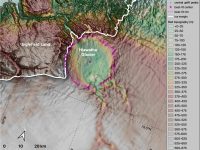
Crater Beneath Greenland Glacier Is 58 million Years Older Than Previously Thought
Researchers discovered that a meteorite crater beneath the Hiawatha glacier is much older than previously thought, leaving questions regarding its impact on global climate.
-

Marco Tedesco: Snow Man
Although his parents wanted him to become an electrical engineer, Tedesco felt drawn to a life of research. Then he fell in love with snow. Now he is among the most well-respected and quoted polar experts in the world.
-

An Artificial Neural Network Joins the Fight Against Receding Glaciers
A new artificial neural network named CALFIN catalogues the rates at which glaciers are melting, demonstrating what the future of glaciology could look like.
-

Fossil Plants at Bottom of the Greenland Ice Sheet Warn of Future Melting
The discovery of fossil plants below a mile of Greenland ice indicates that the ice sheet completely melted in the past, and suggests it could rapidly do so again.


October 28, 2026 is Columbia Giving Day! Your gift to Columbia Climate School helps advance interdisciplinary research, educate the next generation of leaders, and transform bold ideas into real-world solutions for climate, Earth, and society.
