Lamont-Doherty Earth Observatory7
-
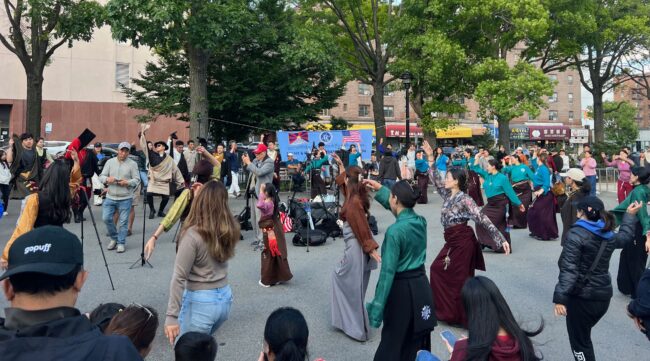
The Link Between the Climate Crisis and Linguistic Diversity in New York City
Climate change is increasing emigration from some of the most linguistically diverse high mountain regions in the world, shaping migrant communities in New York.
-

Columbia Climate School Welcomes New Faculty To Start the Academic Year
This expansion reflects the school’s sustained efforts to strengthen climate research and cross-disciplinary collaboration, while preparing future leaders with the skills to tackle the global climate crisis.
-

Tiny Giants: Marine Microbes’ Pivotal Role in the Ocean’s Future
These “invisible” organisms are key to the question of how much carbon the ocean can hold.
-
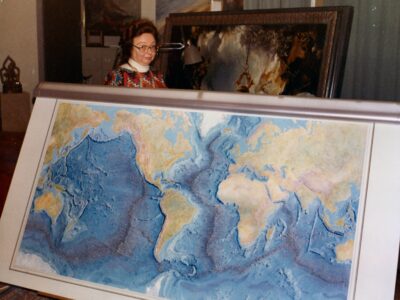
Happy Birthday, Marie Tharp!
State of the Planet celebrates the legacy of this history-making cartographer on what would be her 105th birthday.
-
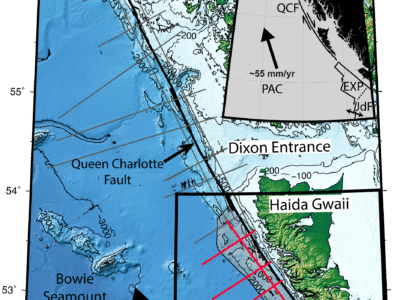
Seismic Study Reveals Hidden Megathrust Earthquake Risk off British Columbia
A new study has revealed the first detailed images of a newly developing subduction zone off the coast of British Columbia.
-
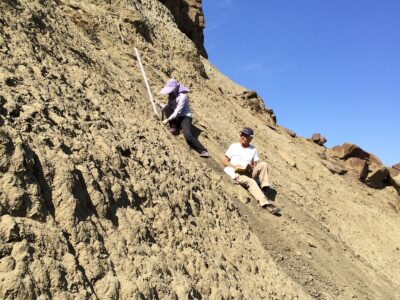
A Chaotic Mars-Earth Planetary Cycle May Have Contributed to One of Earth’s Major Warming Events
New research shows that the Mars–Earth orbital cycle once had a 1.6-million-year cycle that coincided with major climate swings.
-

Air Pollution Cuts in East Asia Likely Accelerated Global Warming
A new study finds that some forms of air pollution in the atmosphere have helped shade the Earth’s surface from the sun’s energy.
-

Toxic Legacies and Transformative Learning: MPA-ESP Students Explore the Gowanus Canal
In June, a group of students stepped out of the classroom and into one of New York City’s most environmentally complex sites.
-

Rivers Choose Their Path Based on Erosion—a Discovery That Could Transform Flood Planning
A new study offers insight into natural hazards and river restoration, potentially guiding infrastructure projects ahead of disasters like the recent Texas flooding.


The first Earth Day in 1970 ignited a movement to stop polluting our planet. Today, our scientists and experts are tackling the most pressing challenges to achieve real-world impact. This Earth Day, join us in our commitment to realizing a just and sustainable future for our planet. Visit our Earth Day website for ideas, resources, and inspiration.
