Lamont-Doherty Earth Observatory88
-
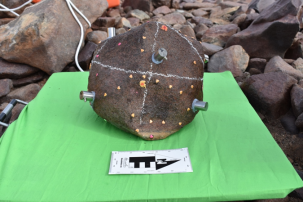
Dressing Boulders for Science
Attaching the sensors that will help us study erosion rates required vacuum grease, patience, and a lot of masking tape.
-

Camp Life in Antarctica and the Importance of Epoxy
From cooking to going to the bathroom, here’s what daily life is like in a remote Antarctic camp.
-

The Journey to Antarctica and a Week in McMurdo Station
After bad weather and a busy week of packing and preparation, the team is finally ready to strike out on its own in the coldest, driest, and windiest place on the planet.
-

Sonya Dyhrman Named Fellow of the American Academy of Microbiology
The microbial oceanographer was elected a Fellow of the prestigious American Academy of Microbiology in recognition of her scientific achievement.
-

Listening to Rocks Crack
The team is using two techniques to study weathering and erosion in Antarctica’s McMurdo Dry Valleys.
-

Studying Erosion and Weathering in One of the Most Extreme Places on Earth
A team of scientists is measuring rock breakdown in the coldest, driest, and windiest place on the planet.
-

Realizing a Revolution in Earth Science
The Real-Time Earth initiative is upgrading the technological capabilities of Lamont-Doherty Earth Observatory and transforming the way its scientists study our planet.
-

New Class on Predicting the Effects of Climate Change on Global Forests
Brendan Buckley discusses his course, Predicting the Effects of Climate Change on Global Forests, which is offered this spring.
-

Laying the Groundwork for Some Major Antarctic Field Campaigns
Fieldwork in Antarctica adds a whole new layer to the meaning of planning. When heavily field-based projects are planned, it is common for preliminary fieldwork to precede the larger project.


The first Earth Day in 1970 ignited a movement to stop polluting our planet. Today, our scientists and experts are tackling the most pressing challenges to achieve real-world impact. This Earth Day, join us in our commitment to realizing a just and sustainable future for our planet. Visit our Earth Day website for ideas, resources, and inspiration.
