National Center for Disaster Preparedness
-
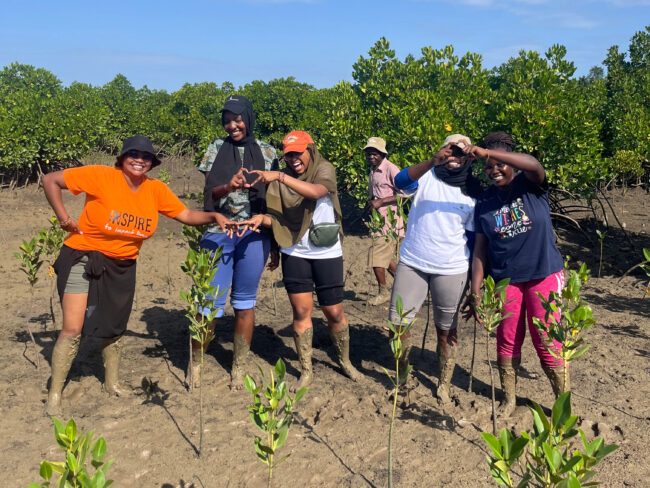
Centering Community in Climate Resilience and Disaster Preparedness
M.S. in Climate student Allison Karabu reflects on the importance of community-based initiatives and finding the right questions to ask to effect real change.
-
Leveraging Risk Communications to Bridge Tribal Voices
A new, collaborative project aims to elevate and bridge Tribal voices in disaster risk communication.
-

Women in Science: Disaster Preparedness Researcher Das Dores Ngueussie Ngamini
Ngamini uses her background in atmospheric sciences and climate modeling to support research and solutions for climate adaptation and disaster preparedness.
-
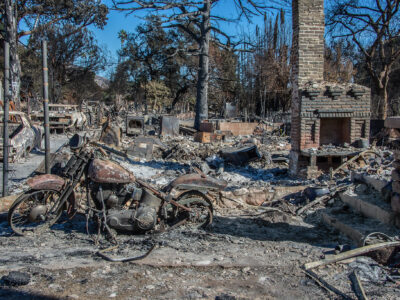
It’s Been One Year Since Wildfires Devastated Los Angeles. What Have We Learned?
In the wake of the fires, our disaster expert says that “we have the lessons we need to do better and recover better, but there is a stubbornness to learning and applying them.”
-

Year in Review: Our Top Stories of 2025
A look back at the stories and videos that shaped our year at State of the Planet.
-

Can Generative AI Help Strengthen Disaster Preparedness and Resilience Among Youth?
New research indicates that GenAI chatbots, if thoughtfully designed and equitably implemented, can serve as a transformative tool for strengthening youth participation in disaster risk reduction.
-
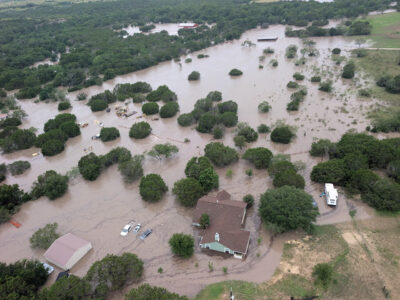
The July 4 Floods in Texas Weren’t a One-Off. They Were a Warning.
We cannot afford to focus solely on short-term fixes, while ignoring the long-term drivers of disaster risk.
-
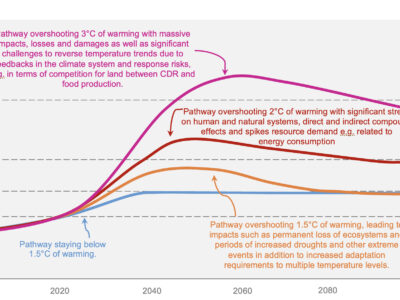
Societies Are Unprepared for the Human Costs of Climate Overshoot
While scientists have made progress describing overshoot’s physical impacts, its humanitarian and social consequences need greater focus, say the authors.
-
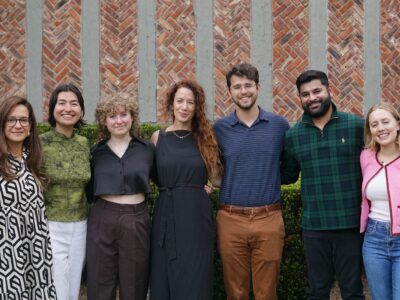
Columbia Climate School’s Global Impact Scholars Confront Urgent, Real-World Problems
Faculty and students worked together on ideas for climate solutions, which were then presented at the Climate School showcase as part of Climate Week NYC.


The first Earth Day in 1970 ignited a movement to stop polluting our planet. Today, our scientists and experts are tackling the most pressing challenges to achieve real-world impact. This Earth Day, join us in our commitment to realizing a just and sustainable future for our planet. Visit our Earth Day website for ideas, resources, and inspiration.
