ocean carbon
-
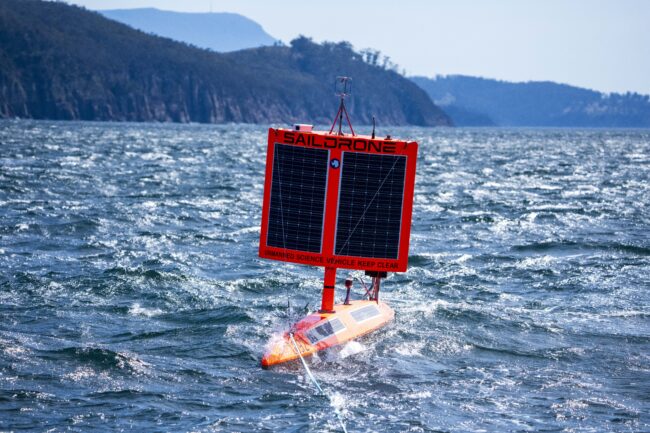
Robot Sailboats Will Spend Five Years Measuring Carbon in the Southern Ocean
Led by researchers at NOAA and Columbia University, the Constraining Ocean Carbon with Optimized Observing (COCO2) project will use uncrewed surface vehicles to reduce uncertainty in estimates of the ocean carbon sink.
-
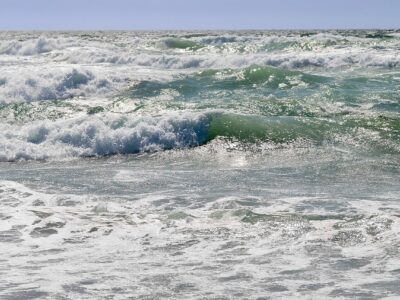
New Report: Ocean Carbon Removal Shows Promise, But Big Questions Remain
Marine carbon dioxide removal could support climate action but faces major scientific, technical and governance challenges, according to a National Academies of Sciences, Engineering, and Medicine report.
-

July Research Roundup: Select Papers
This month, we covered the 2026 Environmental Performance Index; how gas bubbles shaped Kīlauea’s lava flow; and the Pacific’s contrasting effects on wildfires. Here are some additional studies worth noting.
-

World Oceans Day Reimagines Our Relationship With the Water Around Us
In honor of this annual U.N. event, we are highlighting our coverage of ocean research and education initiatives at the Columbia Climate School and Lamont-Doherty Earth Observatory.
-
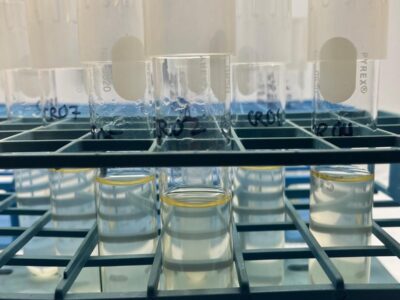
New Study Reveals Hidden “Chemical Currency” Fueling the Ocean’s Carbon Cycle
This research identifies a diverse set of molecules released by marine phytoplankton that fuel microbial life and help drive Earth’s carbon cycle.
-
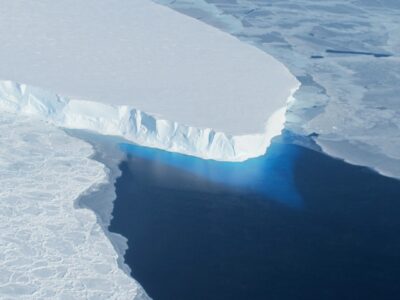
Columbia Will Co-Lead Major Project To Study Global Carbon Cycle
Awarded by Schmidt Sciences, a new grant will provide up to $45 million to four interdisciplinary teams of researchers who will seek to improve climate modeling across land, air and sea.
-

The Ocean Carbon Sink Is Ailing
Measurements analyzed by an international research team indicate the global ocean absorbed significantly less CO₂ than anticipated during the unprecedented marine heatwave in 2023.
-
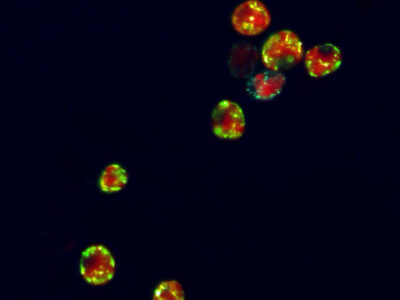
Tiny Giants: Marine Microbes’ Pivotal Role in the Ocean’s Future
These “invisible” organisms are key to the question of how much carbon the ocean can hold.


October 28, 2026 is Columbia Giving Day! Your gift to Columbia Climate School helps advance interdisciplinary research, educate the next generation of leaders, and transform bold ideas into real-world solutions for climate, Earth, and society.
