Pacific Ocean3
-
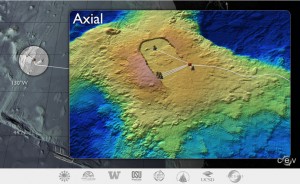
Live, from the Bottom of the Sea
Lamont-Doherty scientist Timothy Crone is at sea off the Northwest U.S. coast, dropping sensors into the deep ocean as part of a major initiative to better understand oceans, climate and plate tectonics. Watch a live video feed from the latest dive at 3 p.m. EST.
-

Tree Rings Open Door on 1,100 Years of El Niño
Scientists have used tree-ring data from the American Southwest to reconstruct a 1,100-year history of the El Niño cycle that shows that, when the earth warms, the climate acts up. The research may improve scientists’ ability to predict future climate and the effects of global warming.


COP31, the 2026 United Nations Climate Change Conference, aims to advance dialogue, strengthen consensus, and accelerate climate action on a global scale. From November 9–20, 2026 in Antalya, Türkiye, heads of state, ministers, scientists, business leaders, and civil society will gather to advance efforts in emission targets, climate finance, and adaptation and resilience. Once again, our experts, students, and global thought leaders from Columbia Climate School and across Columbia University are contributing to key events, sharing insights, and helping shape the dialogue toward ambitious, science-based solutions. Learn More
