research3
-
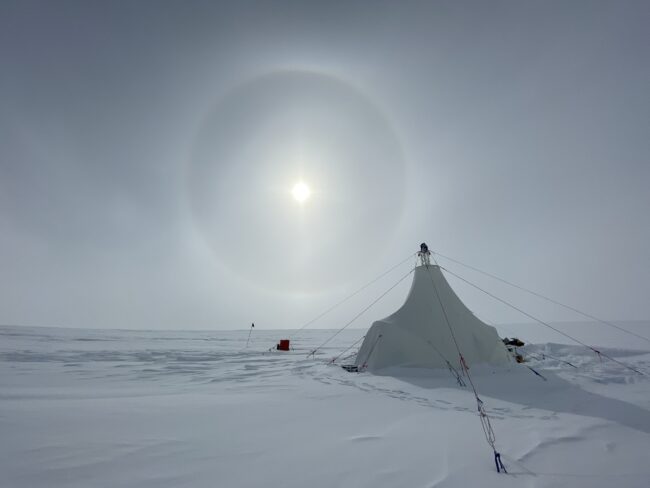
Ancient Dust Points To Retreat of West Antarctic Ice Sheet During Last Warm Period
Antarctica’s Ross Ice Shelf and the West Antarctic Ice Sheet may have been far smaller during one of Earth’s most recent warm periods, according to a new study.
-
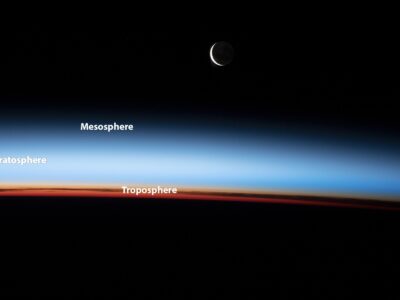
A New Study Explains How Carbon Dioxide Cools the Upper Atmosphere—and Warms Earth Below
Researchers have solved a long-standing atmospheric puzzle: how rising carbon dioxide cools the stratosphere even as it warms Earth’s surface and lower atmosphere.
-
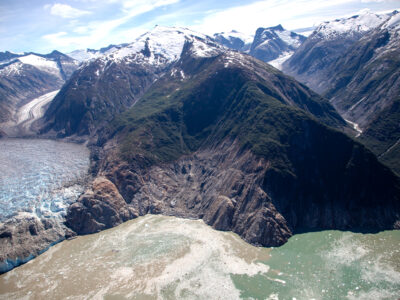
“Near-miss” Tsunami in Alaskan Cruise Area Offers Lessons for Steep Landscapes Near Glaciers
As glaciers retreat in warming regions, the risk of related hazards can increase, and improved monitoring may help reduce some of those dangers, according to a new study.
-
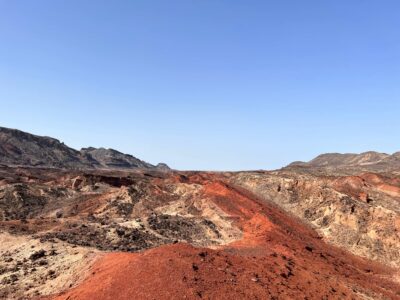
In Eastern Africa, the Cradle of Humankind Is Tearing Apart
Researchers have found that Earth’s underlying crust in the Turkana Rift region has been significantly thinned, presaging Africa’s eventual breakup—and with that finding, the researchers offer a new perspective on Turkana’s fossil record of human evolution.
-
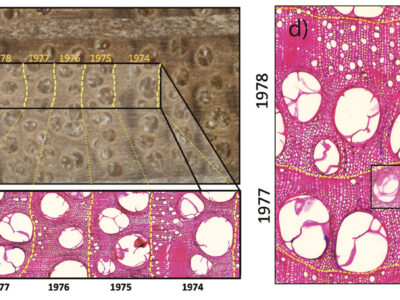
Tree Rings Reveal Hurricane Impacts and Emerging Sea-Level Stress in Coastal Forests
New research suggests that trees largely recover from storms within two years, and that coastal trees may be stressed from sea-level rise.
-
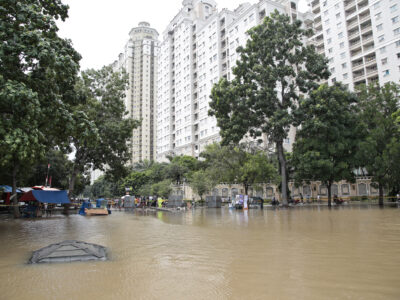
Sinking Land Drives Hidden Flood Risk in One of the World’s Most Populated Regions
A new study finds that land subsidence is outpacing ocean-driven sea-level rise along the northern coastline of Java Island, Indonesia.
-
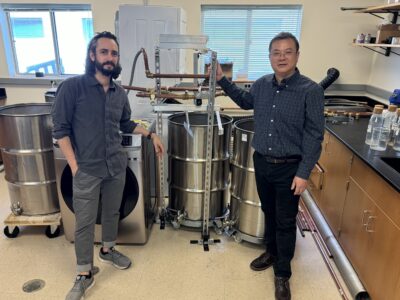
Two Sustainability Students See Opportunity Hidden in Laundry-Induced Microplastic Pollution
Students and faculty at Columbia’s M.S. in Sustainability Management and Sustainability Science programs turned cutting-edge research on microplastics into Moby Filter, a sustainability startup tackling laundry-induced pollution at its source.
-
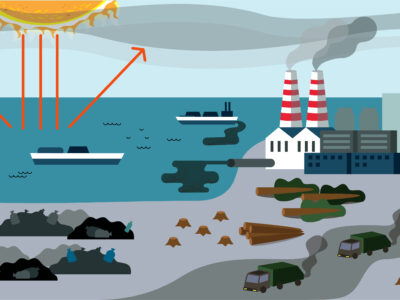
A Complicated Future for a Methane-Cleansing Molecule
A new model shows how levels of the “atmosphere’s detergent” may rise and fall in response to climate change.
-
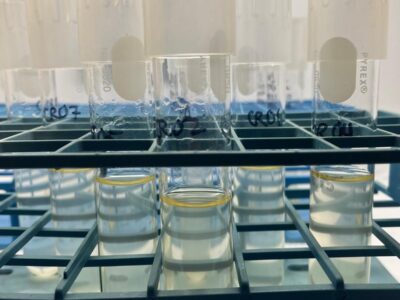
New Study Reveals Hidden “Chemical Currency” Fueling the Ocean’s Carbon Cycle
This research identifies a diverse set of molecules released by marine phytoplankton that fuel microbial life and help drive Earth’s carbon cycle.


On Saturday, October 17, 2026 from 10am to 4pm, Lamont-Doherty Earth Observatory Open House—our biggest, best science fun and discovery event of the year—will take place on our beautiful campus in Palisades, NY. Mark your calendar and join us for this free, family-friendly celebration of science! RSVP Today!
