Sabin Center for Climate Change Law
-
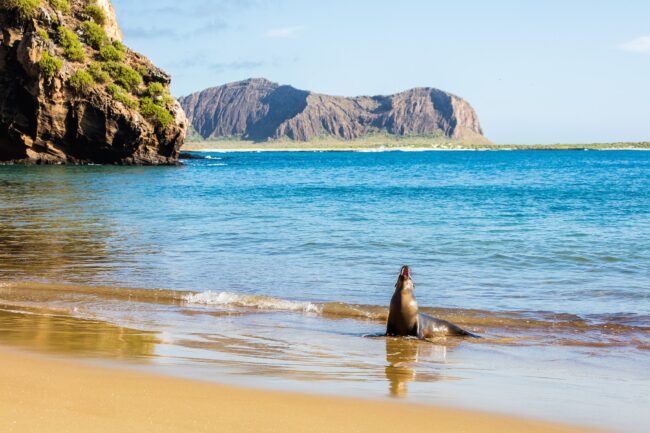
Ecuador’s High-Stakes Vote: Will the Galápagos Become a U.S. Navy Outpost?
Ecuadorians will vote whether or not to overturn the current constitution. If the referendum passes, it will likely dismantle the Rights of Nature, which is indirectly on the ballot, and also formally allow Ecuador to host foreign bases.
-
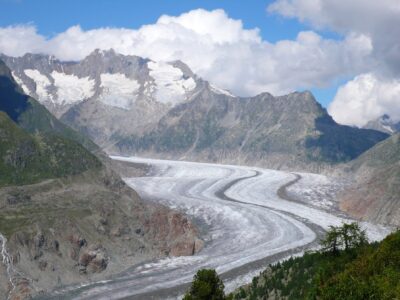
Exploring Legal Tools for Glacier Protection: Who Speaks for Glaciers?
Can “rights of nature” laws be used to protect both humans and glaciers?
-
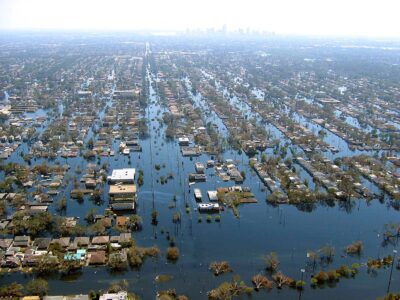
Twenty Years Later: What Lessons Have We Learned From Hurricane Katrina?
As the risk of extreme weather grows, Columbia experts revisit Katrina’s legacy and what it means for future catastrophes.
-

Ten-Year Climate Lawsuit Ends in Loss for One Man, But a Win for Climate
A German court’s dismissal of a historic lawsuit filed by an Indigenous Peruvian against energy giant RWE has far-reaching implications for climate law.
-

In Norway, Climate Goals Clash With Indigenous Herders’ Rights
A proposed powerline meant to help meet Norway’s climate goals may infringe on the Saami people’s cultural traditions and international legal rights.
-

Mount Rainier White-Tailed Ptarmigan Finally Receives a ‘Threatened’ Species Designation
While the recent listing marks a win for the species after a 14-year wait, the bird faces an uncertain future in a warming world,
-

Sabin Center’s Online Tracking Tools Monitor Government Actions on Climate Change
Since 2017, the Sabin Center for Climate Change Law has documented policies that restrict or expand initiatives in science and climate.
-

From Wildfires to Courtrooms: How Attribution Science Fuels Climate Justice
The Attribution Science and Climate Law Conference brought together scientists, legal experts, policymakers and advocates to explore how advancements in climate attribution science can shape litigation, policy and governance.
-

7 Climate Experts on What We Can Still Do to Fight Climate Change
Network, think and speak your mind: Here are some ways to engage with the climate crisis.


The first Earth Day in 1970 ignited a movement to stop polluting our planet. Today, our scientists and experts are tackling the most pressing challenges to achieve real-world impact. This Earth Day, join us in our commitment to realizing a just and sustainable future for our planet. Visit our Earth Day website for ideas, resources, and inspiration.
