Thomas Chandler
-

25 Years After September 11th, New York City Changed the Way We Prepare for Disasters
The strongest response is rarely about one institution having all the answers. It is about people knowing whom to call, trusting one another, and being willing to share what they know.
-
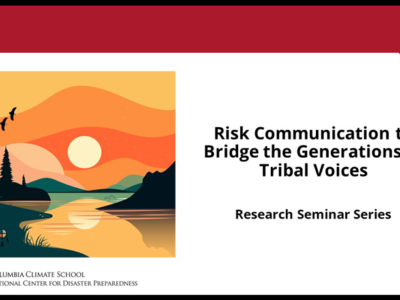
Leveraging Risk Communications to Bridge Tribal Voices
A new, collaborative project aims to elevate and bridge Tribal voices in disaster risk communication.
-
Can Generative AI Help Strengthen Disaster Preparedness and Resilience Among Youth?
New research indicates that GenAI chatbots, if thoughtfully designed and equitably implemented, can serve as a transformative tool for strengthening youth participation in disaster risk reduction.
-
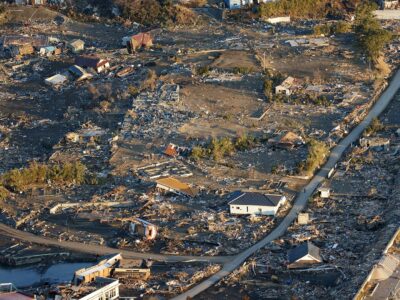
Leveraging Next-Generation Tsunami Early Warning Systems to Save Lives
Tsunami early warning systems save lives not just when they are fast or accurate, but when they are trusted, understood and acted upon.
-

Ensuring Emergency Management Training Translates into Action
Researchers at the National Center for Disaster Preparedness and the New School discuss an approach for evaluating the effectiveness of disaster management training.
-

New Courses Will Lead the Way on Climate Resilience and Equitable Disaster Response
The National Center for Disaster Preparedness at the Columbia Climate School will now offer FEMA-certified trainings on climate change, equity and emergency management.



COP31, the 2026 United Nations Climate Change Conference, aims to advance dialogue, strengthen consensus, and accelerate climate action on a global scale. From November 9–20, 2026 in Antalya, Türkiye, heads of state, ministers, scientists, business leaders, and civil society will gather to advance efforts in emission targets, climate finance, and adaptation and resilience. Once again, our experts, students, and global thought leaders from Columbia Climate School and across Columbia University are contributing to key events, sharing insights, and helping shape the dialogue toward ambitious, science-based solutions. Learn More
