Viewpoints3
-
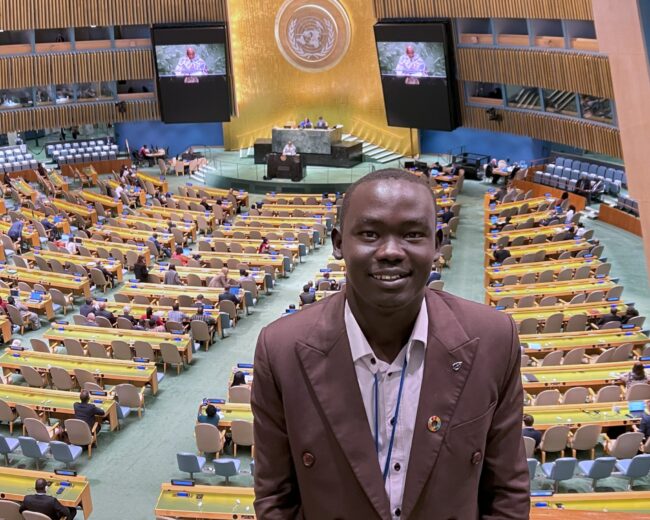
COP30 Is Over. But for the World’s Most Vulnerable, the Crisis Is Ongoing.
Anyieth Philip Ayuen, a graduate of the Climate and Society program, on the importance of keeping resilience, literacy and survival at the center of global climate policy.
-
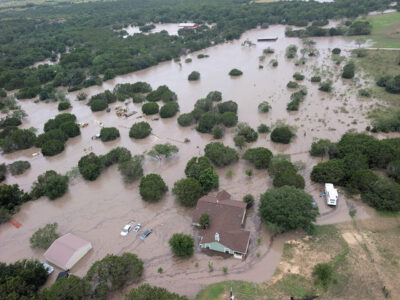
The July 4 Floods in Texas Weren’t a One-Off. They Were a Warning.
We cannot afford to focus solely on short-term fixes, while ignoring the long-term drivers of disaster risk.
-
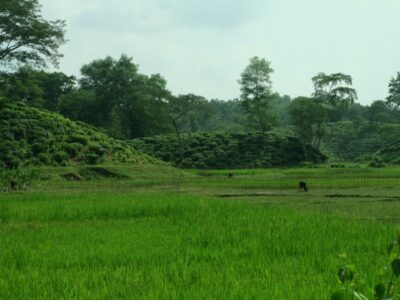
Repairing Global Navigation Satellite Systems in the Land of Tea
Mike Steckler is back in Sylhet, Bangladesh, to repair GNSS stations that are monitoring tectonics and earthquake hazards, and measuring the sinking of the land in the world’s biggest delta.
-
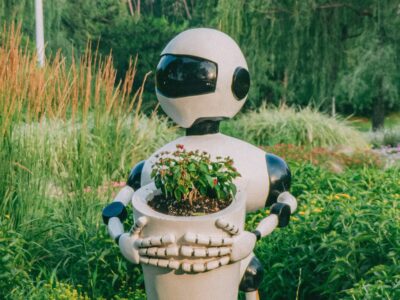
Bridging the Gap: How AI Can Help—or Hinder—the SDGs
The issue is no longer whether AI matters for sustainable development, but how to apply it in ways that decrease costs, expand access, improve decision-making and avoid further deepening inequality.
-
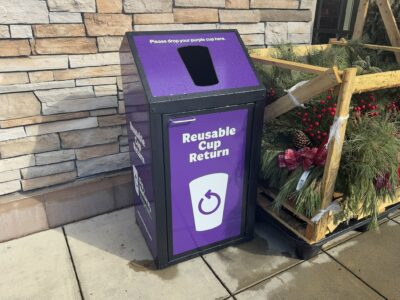
How Sustainable Are Reusable Cups? A New Tool Aims to Find Out
Columbia Climate School and Closed Loop Partners developed a novel impact assessment tool to calculate the carbon emissions and cost implications of a wide range of single-use and reusable packaging designs.
-

How Do We Fix the Hellish Heat of the New York City Subway System?
It’s time to treat subway heat like the climate adaptation issue and public health hazard that it is.
-
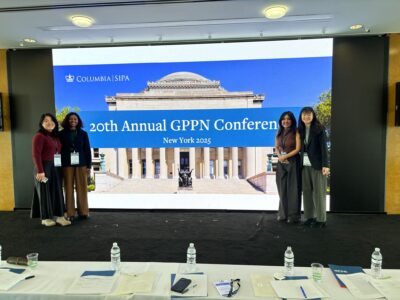
Four Columbia Women Are Reimagining Rice Farming to Tackle Climate Change
Clean Crop is an ambitious startup project that blends policy, economics, sustainability and development.
-
Can Tariffs Lead to a More Circular Economy?
While controversial and often politically divisive, tariffs may have the opportunity to shift production and consumption patterns toward sustainability.
-

AI and Climate Justice: Balancing Risk With Opportunity
As AI expands its global reach, how can we ensure its just and inclusive use when applied to climate science?


October 28, 2026 is Columbia Giving Day! Your gift to Columbia Climate School helps advance interdisciplinary research, educate the next generation of leaders, and transform bold ideas into real-world solutions for climate, Earth, and society.
