October 20252
-
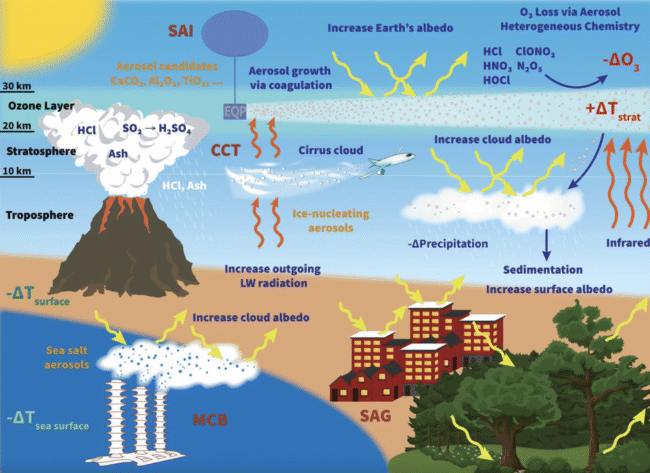
How Hard Is It to Dim the Sun?
Solar radiation management is gaining traction as a climate intervention—but new research warns that real-world constraints make it riskier and more uncertain than most models suggest.
-
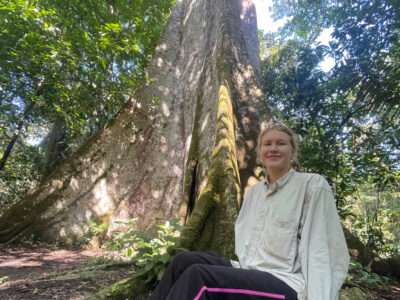
A New Study Indicates Forest Regeneration Provides Climate Benefits, but Won’t Offset Fossil Fuels
Effective climate policy must treat forest regeneration and emissions reductions as complementary strategies, not alternatives, according to a new paper.
-

As a Glacier Retreats, a Gold Mine Advances. Why Are Some Locals Angry?
A Canadian mining company is seeking approval to renew gold mining operations in northwestern British Columbia, but they face opposition from First Nations, environmental nonprofits and downstream Alaskan communities.
-
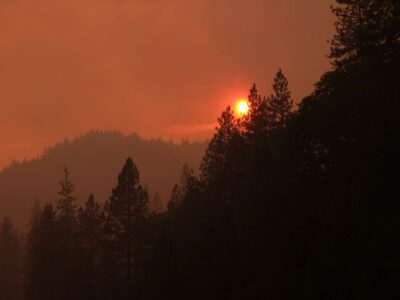
Building Climate Resilience Through Insurance Incentives
How can insurance drive smarter resilience investments? A group of M.A. in Climate and Society students aimed to find out.
-

Where Soil Meets Data: Yushu Xia’s Mission To Support a Healthier Planet
Xia discusses her research projects, mentorship goals, and the importance of staying ahead in a changing scientific landscape.
-
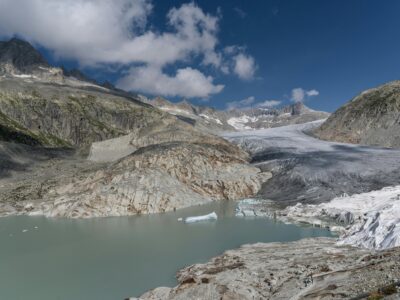
Will New Areas Uncovered by Glacier Melt Boost Swiss Hydropower and Clean Energy Goals?
A Swiss government report reveals that efforts to locate major hydropower resources on land exposed by glacier retreat are entangled with ecological and legal challenges.
-

Bridging the Gap: How AI Can Help—or Hinder—the SDGs
The issue is no longer whether AI matters for sustainable development, but how to apply it in ways that decrease costs, expand access, improve decision-making and avoid further deepening inequality.
-

Archaeologist Kristina Douglass Named 2025 MacArthur Fellow
Douglass’s research uses lessons from the past to help communities understand how to adapt to climate change.
-

Mercury Rising: Why Emissions of This Deadly Neurotoxin May Soon Increase
The EPA is proposing changes to the Mercury and Air Toxic Standards (MATS), which would weaken mercury emissions limits from U.S. fossil fuel power plants by 70 percent.


AGU25, the premier Earth and space science conference, takes place December 15-19, 2025 in New Orleans, Louisiana. This year’s theme—Where Science Connects Us—puts in focus how science depends on connection, from the lab to the field to the ballot box. Once again, Lamont-Doherty Earth Observatory and Columbia Climate School scientists, experts, students, and educators are playing an active role, sharing our research and helping shape the future of our planet. #AGU25 Learn More
