20256
-
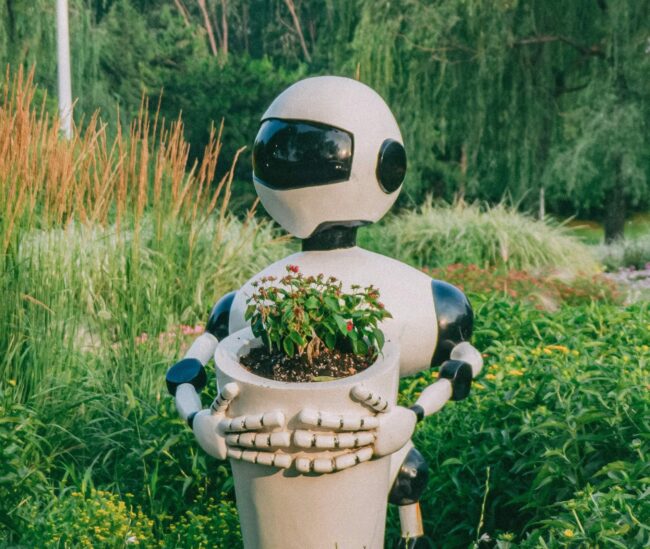
Bridging the Gap: How AI Can Help—or Hinder—the SDGs
The issue is no longer whether AI matters for sustainable development, but how to apply it in ways that decrease costs, expand access, improve decision-making and avoid further deepening inequality.
-

Archaeologist Kristina Douglass Named 2025 MacArthur Fellow
Douglass’s research uses lessons from the past to help communities understand how to adapt to climate change.
-

Mercury Rising: Why Emissions of This Deadly Neurotoxin May Soon Increase
The EPA is proposing changes to the Mercury and Air Toxic Standards (MATS), which would weaken mercury emissions limits from U.S. fossil fuel power plants by 70 percent.
-

Amplifying Action: Adam Met and Alexis Abramson Talk Climate on ‘Sing for Science’ Podcast
Ready to get involved in the climate movement? Musician Adam Met and Climate School Dean Alexis Abramson share practical, inspiring ways to take action on the popular Sing for Science podcast.
-
A Blueprint for Survival: New EAT-Lancet Report Is a Sustainable Food Systems Roadmap
The much-anticipated second EAT-Lancet Commission on Healthy, Sustainable and Just Food Systems has been released, building on the landmark 2019 report that first defined the Planetary Health Diet.
-
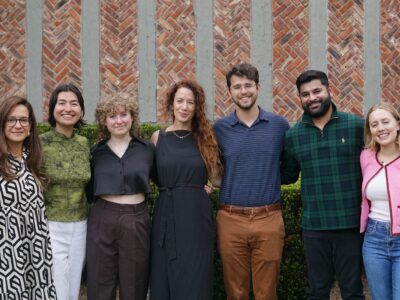
Columbia Climate School’s Global Impact Scholars Confront Urgent, Real-World Problems
Faculty and students worked together on ideas for climate solutions, which were then presented at the Climate School showcase as part of Climate Week NYC.
-
Ripple Effects: Water, Youth and Climate Action
The Columbia Climate School will host the Ripple Effects: Water in a Warming World pre-college virtual workshop in fall 2025.
-
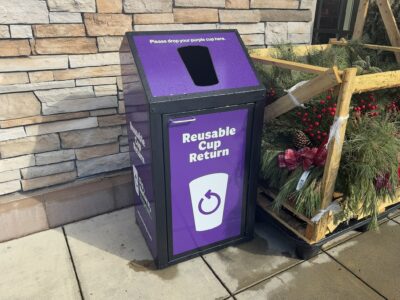
How Sustainable Are Reusable Cups? A New Tool Aims to Find Out
Columbia Climate School and Closed Loop Partners developed a novel impact assessment tool to calculate the carbon emissions and cost implications of a wide range of single-use and reusable packaging designs.
-

Highlights: “Universities and Climate Action”
University leaders discuss how academic institutions can respond to climate challenges, defend academic freedom and continue to innovate in a challenging national context.


The first Earth Day in 1970 ignited a movement to stop polluting our planet. Today, our scientists and experts are tackling the most pressing challenges to achieve real-world impact. This Earth Day, join us in our commitment to realizing a just and sustainable future for our planet. Visit our Earth Day website for ideas, resources, and inspiration.
