Author: Columbia Climate School2

-
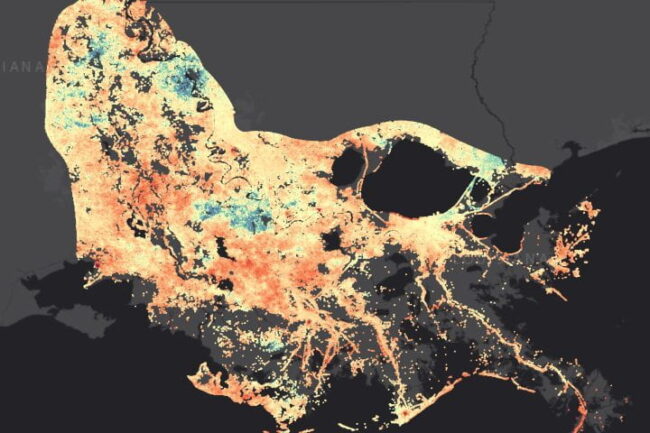
Human Activity Is Driving Rapid Sinking of World’s River Deltas
New research, published in Nature, documents the rate of elevation loss in the world’s deltas, and finds that people are the primary reason for it.
-
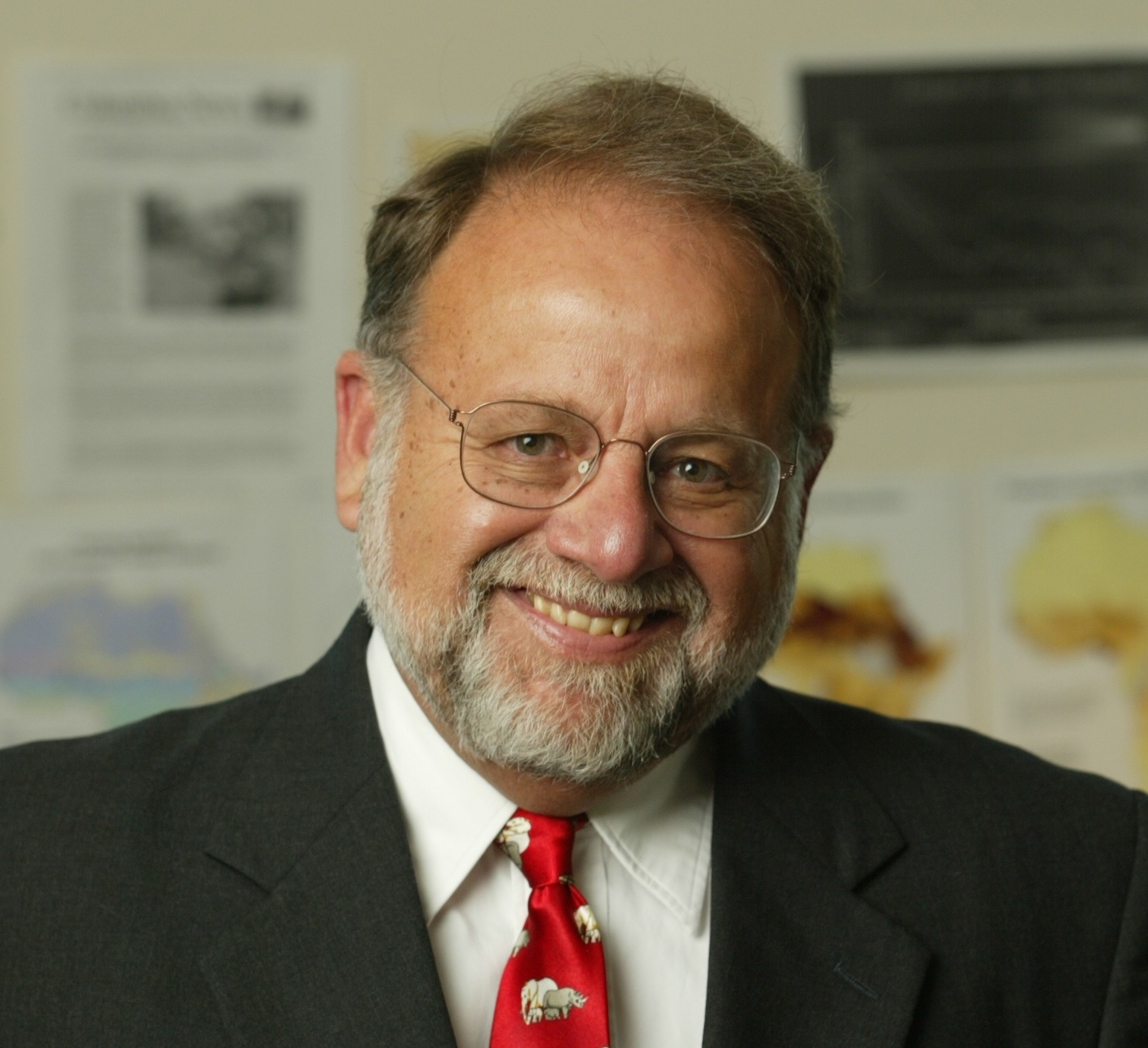
Remembering World-Renowned Soil Scientist, Agriculture and Food Security Center Director Pedro Sanchez
Walter Baethgen reflects on his friendship with Sanchez.
-
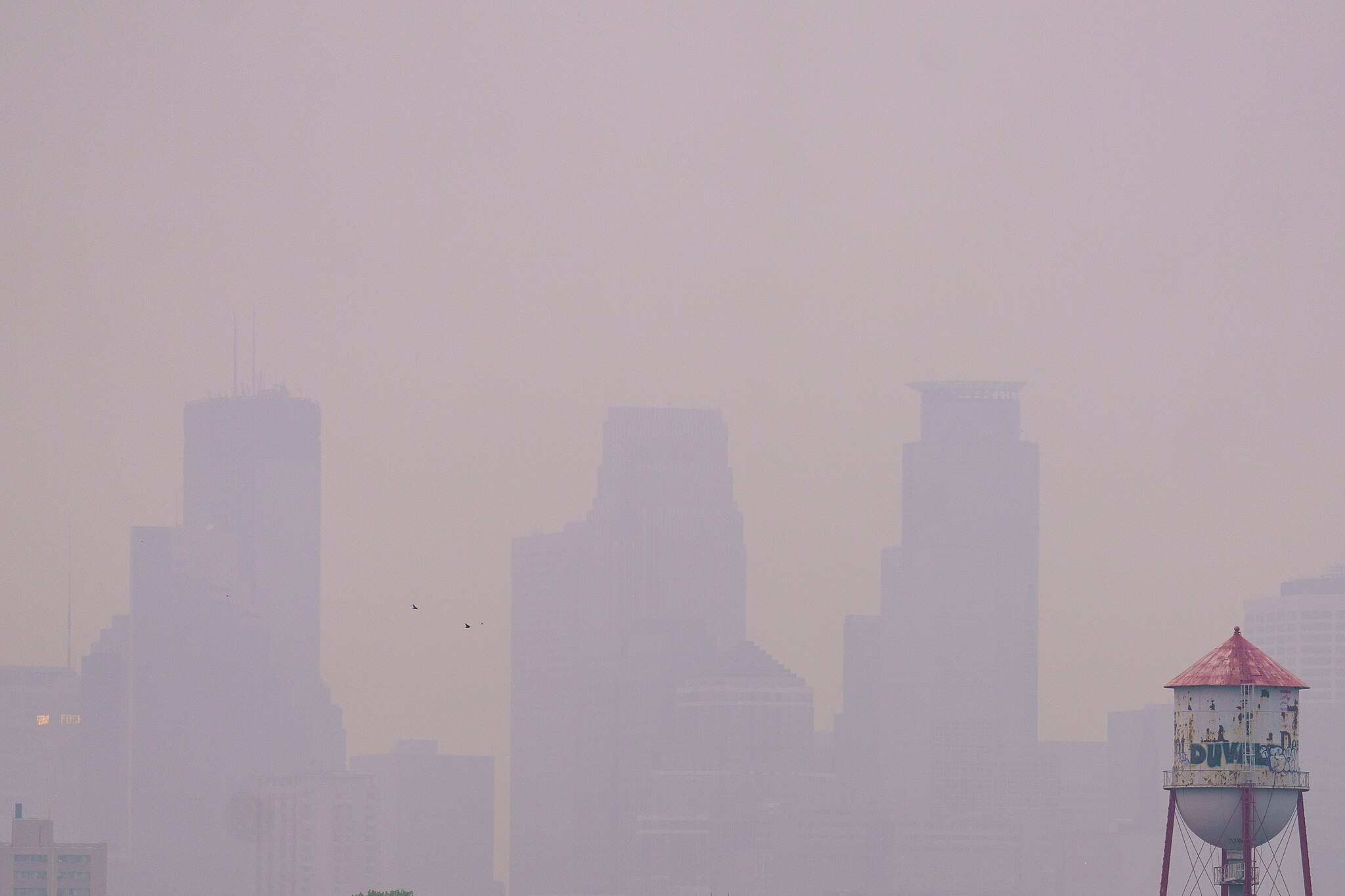
Get Ready for Smokier Air: Record 2023 Wildfire Smoke Marks Long-Term Shift in North American Air Quality
A new analysis of air quality data from the past 70 years shows a broader, continent-wide trend toward smokier skies.
-
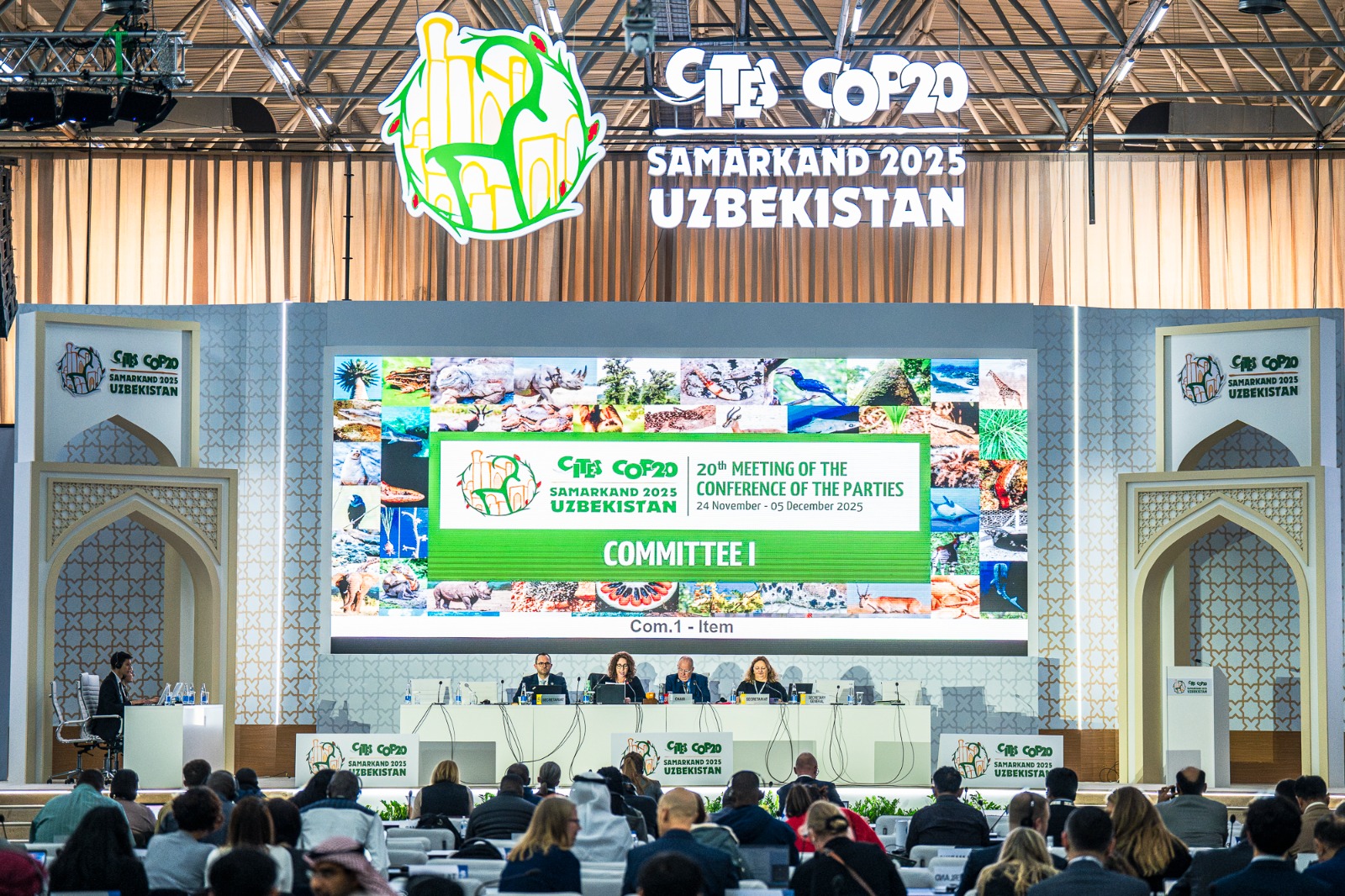
SIPA Alumni Champion Wildlife Protection at Major Conference in Uzbekistan
The Conference of the Parties to the Convention on International Trade in Endangered Species of Wild Fauna and Flora, better known as CITES COP, is one of the strongest international agreements dedicated to protecting wildlife from overexploitation.
-
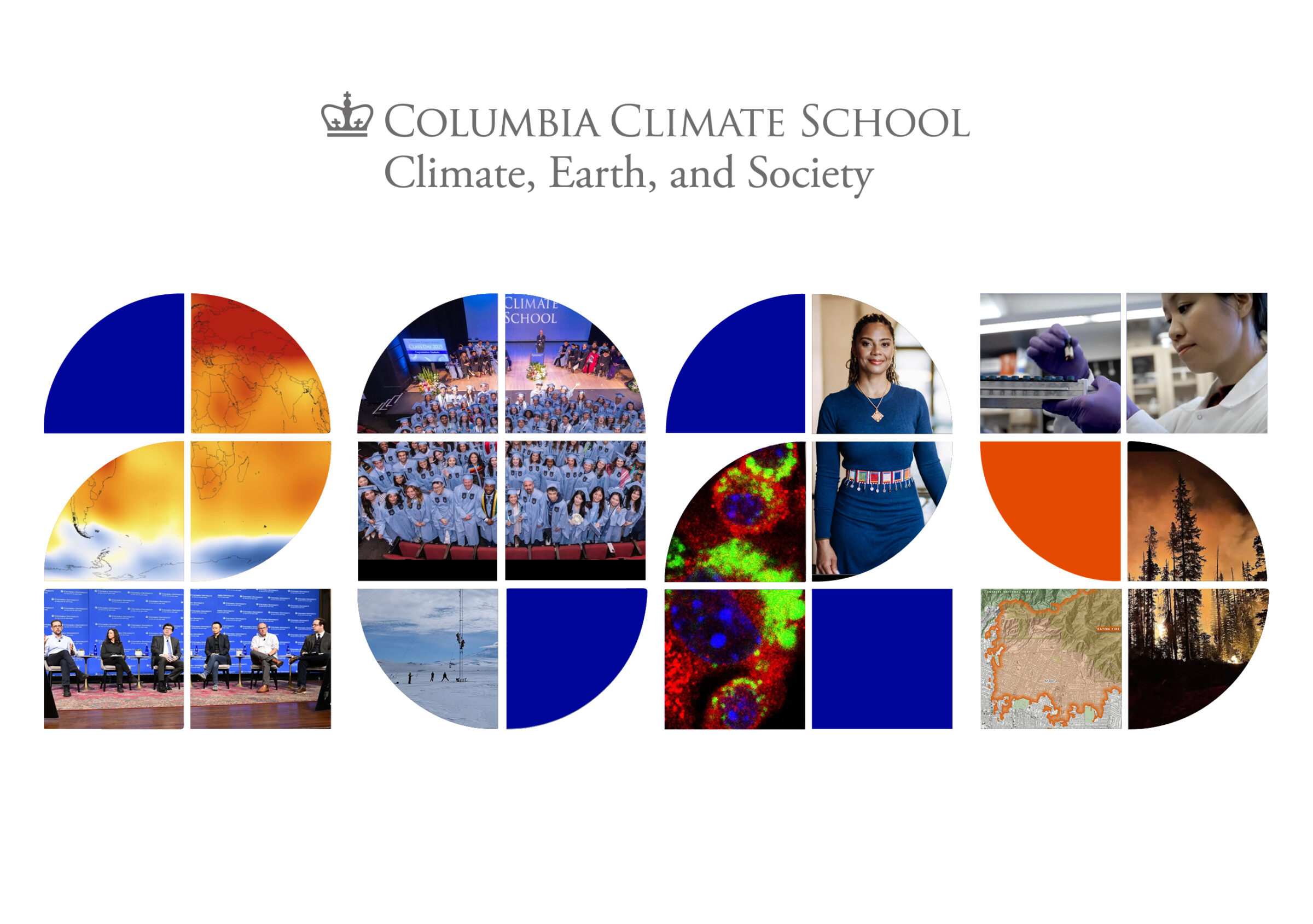
Year in Review: Our Top Stories of 2025
A look back at the stories and videos that shaped our year at State of the Planet.
-
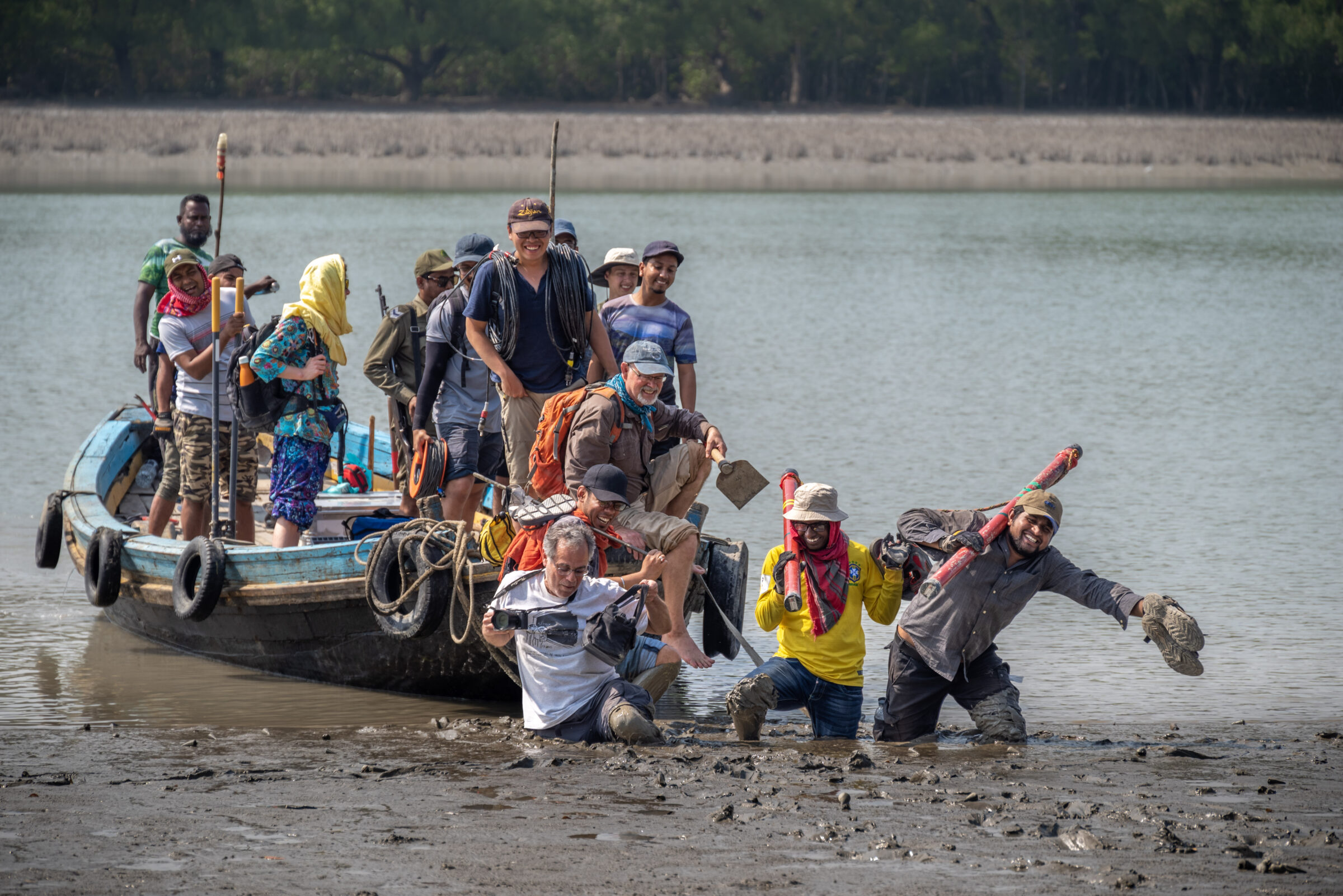
Vast Freshwater Reserves Found Beneath Salinity-Stressed Coastal Bangladesh
Drinking water is often scarce in Bangladesh. These researchers have tapped into a potential solution.
-
Can Generative AI Help Strengthen Disaster Preparedness and Resilience Among Youth?
New research indicates that GenAI chatbots, if thoughtfully designed and equitably implemented, can serve as a transformative tool for strengthening youth participation in disaster risk reduction.
-
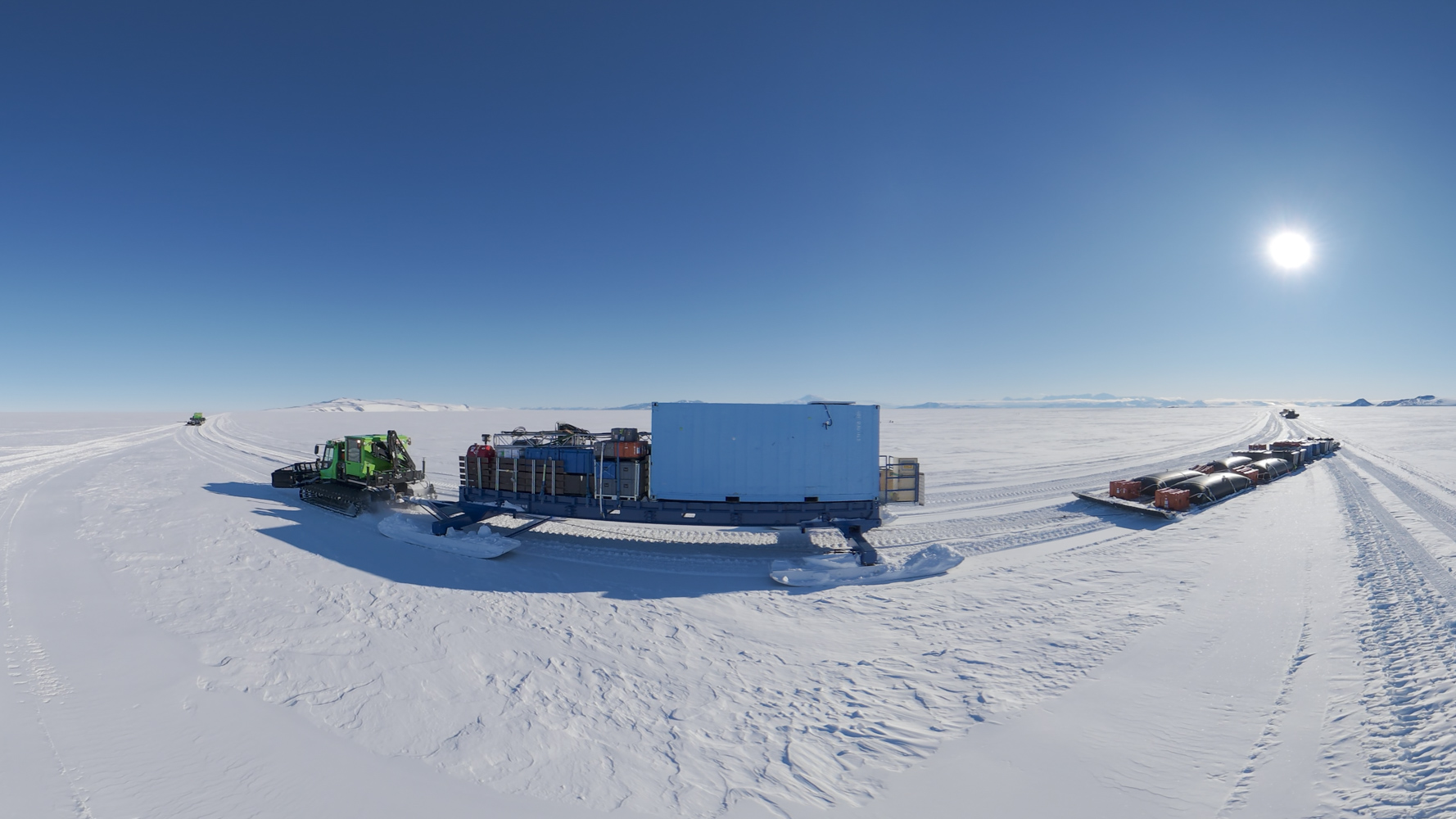
Scientists Search for Ancient Climate Clues Beneath Antarctic Ice
An international team, including researchers from Columbia’s Lamont-Doherty Earth Observatory, is attempting to drill for mud and rocks holding critical insights about the fate of the West Antarctic Ice Sheet in our warming world.
-
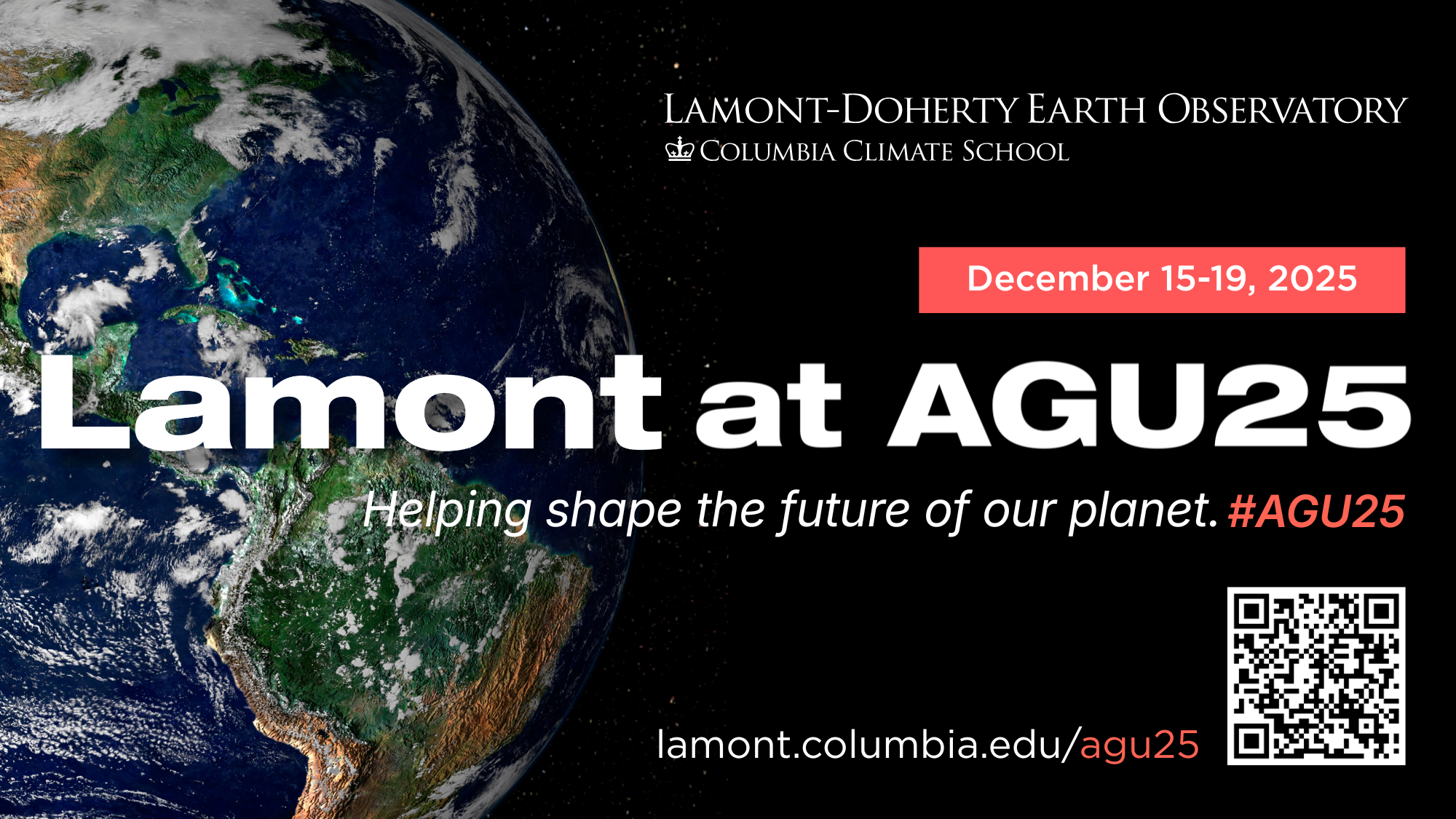
American Geophysical Union 2025: Key Scientific Presentations From Lamont-Doherty Earth Observatory and Columbia Climate School
Check out a guide to some of our notable research at this year’s AGU conference.


