State of the Planet

News from the Columbia Climate School

Author: Guest116

Guest Avatar

  • Behind the Expected Quiet 2015 Hurricane Season

    Behind the Expected Quiet 2015 Hurricane Season

    On May 27, 2015, NOAA officially announced a likely below-normal Atlantic Hurricane season is coming up. The range for the possible numbers of major hurricanes is 0-2. What are the reasons behind it? How precise are these numbers?

  • Climate Negotiations as a Realistic Fiction

    Climate Negotiations as a Realistic Fiction

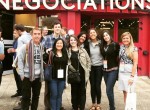
    In addition to what might be expected of a climate negotiations simulation, Make it Work enlisted the creative help of artists, actors and dancers to use stage work and meditative methods to improve the channels of communication.

  • The Road to Make It Work

    The Road to Make It Work

    Students throughout Columbia University were notified of a once-in-a-lifetime chance to attend a student simulation in anticipation of the upcoming United Nations Climate Conference in Paris. Two words jumped out at me immediately: climate and Paris.

  • Was Hurricane Sandy the 100-Year Event?

    Was Hurricane Sandy the 100-Year Event?

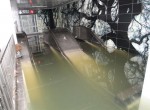
    Recent research suggests that Sandy may have been much more likely than previously believed.

  • Faculty Profile: Joel Cohen

    Faculty Profile: Joel Cohen

    It has been a long time since humans thought of themselves as the prey of other species. But when Joel Cohen summarizes his research, it makes a person think twice about his or her comfortable perch at the top of the food chain. “I focus on human relations with the species we eat (agriculture) and…

  • New Program Designed to Keep Kids in School in Uganda

    New Program Designed to Keep Kids in School in Uganda

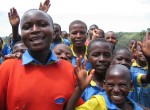
    Though many more children throughout the world are attending primary school since the Millennium Development Goals were adopted 15 years ago, in order to sustain the success, increasing matriculation and improving attendance in secondary schools are essential.

  • Unforeseen Dangers in a Global Food System

    Unforeseen Dangers in a Global Food System

    Michael Puma considers what can happen when events such as long-lasting droughts or volcanic explosions interrupt production of these crops. He has begun to assess the fragility of the intricate network of trade relationships that move important basic food items across national borders.

  • Overuse of Water by Indian Farmers Threatens Supply

    Overuse of Water by Indian Farmers Threatens Supply

    Convincing farmers that it’s worth it to reduce their water consumption will rest on our ability to help develop local groups to manage aquifers at the community-level.

  • Sustainability Students Explore Jobs in the Built Environment

    Sustainability Students Explore Jobs in the Built Environment

    What jobs are available to students with a sustainability degree, who are interested in the built environment? What can students to do to land, or create, a job in this field? These questions and more were answered at a mini-career workshop on March 23, which focused on “Innovation and the Built Environment.”

  • Behind the Expected Quiet 2015 Hurricane Season

    Behind the Expected Quiet 2015 Hurricane Season

    On May 27, 2015, NOAA officially announced a likely below-normal Atlantic Hurricane season is coming up. The range for the possible numbers of major hurricanes is 0-2. What are the reasons behind it? How precise are these numbers?

  • Climate Negotiations as a Realistic Fiction

    Climate Negotiations as a Realistic Fiction

    In addition to what might be expected of a climate negotiations simulation, Make it Work enlisted the creative help of artists, actors and dancers to use stage work and meditative methods to improve the channels of communication.

  • The Road to Make It Work

    The Road to Make It Work

    Students throughout Columbia University were notified of a once-in-a-lifetime chance to attend a student simulation in anticipation of the upcoming United Nations Climate Conference in Paris. Two words jumped out at me immediately: climate and Paris.

  • Was Hurricane Sandy the 100-Year Event?

    Was Hurricane Sandy the 100-Year Event?

    Recent research suggests that Sandy may have been much more likely than previously believed.

  • Faculty Profile: Joel Cohen

    Faculty Profile: Joel Cohen

    It has been a long time since humans thought of themselves as the prey of other species. But when Joel Cohen summarizes his research, it makes a person think twice about his or her comfortable perch at the top of the food chain. “I focus on human relations with the species we eat (agriculture) and…

  • New Program Designed to Keep Kids in School in Uganda

    New Program Designed to Keep Kids in School in Uganda

    Though many more children throughout the world are attending primary school since the Millennium Development Goals were adopted 15 years ago, in order to sustain the success, increasing matriculation and improving attendance in secondary schools are essential.

  • Unforeseen Dangers in a Global Food System

    Unforeseen Dangers in a Global Food System

    Michael Puma considers what can happen when events such as long-lasting droughts or volcanic explosions interrupt production of these crops. He has begun to assess the fragility of the intricate network of trade relationships that move important basic food items across national borders.

  • Overuse of Water by Indian Farmers Threatens Supply

    Overuse of Water by Indian Farmers Threatens Supply

    Convincing farmers that it’s worth it to reduce their water consumption will rest on our ability to help develop local groups to manage aquifers at the community-level.

  • Sustainability Students Explore Jobs in the Built Environment

    Sustainability Students Explore Jobs in the Built Environment

    What jobs are available to students with a sustainability degree, who are interested in the built environment? What can students to do to land, or create, a job in this field? These questions and more were answered at a mini-career workshop on March 23, which focused on “Innovation and the Built Environment.”