Climate122
-
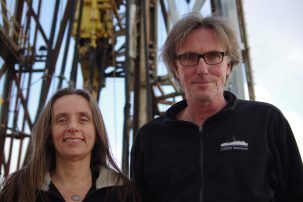
New York City to Punta Arenas: The Beginning of Our Journey
Scientists aboard the R/V Joides Resolution prepare to set sail into the Southern Ocean.
-

Nature-Based Solutions: The Missing Ingredient in Climate Adaptation?
Restoring natural ecosystems can make communities more resilient to climate change while offering other benefits along the way.
-

Accelerating Climate Solutions Through Novel Research
Between 2016 and 2018, the Center for Climate and Life awarded $2.1 million to 10 leading scientists who are bringing a fresh perspective to one of the most pressing issues of our times.
-

ACToday Unites Farmers and Scientists to Solve Climate Challenges in Guatemala
Thousands of Guatemalan farmers will now have access to state-of-the-art forecasts and other climate information to help them increase crop yields and earn more.
-

Part of the Pacific Ocean Is Not Warming as Expected. Why?
Climate models predict that as a result of human-induced climate change, the surface of the Pacific Ocean should be warming. But one key part is not.
-

Columbia Researchers Provide New Evidence on the Reliability of Climate Modeling
Observational data confirms that Hadley cell circulation is weakening, which has important consequences for future rainfall in the subtropics.
-

How Climate Change Impacts the Economy
Warming temperatures, rising seas, and more extreme weather are going to cost us. But they’ll create new business opportunities, too.
-

Melting of Himalayan Glaciers Has Doubled in Recent Years
A new study is the latest and perhaps most convincing indication that climate change is eating the Himalayas’ glaciers, potentially threatening water supplies for hundreds of millions of people across much of Asia.
-

How Energy Choices After Fukushima Impacted Human Health and the Environment
A new paper examines CO2 emissions and mortality rates after Japan and Germany shifted away from nuclear power.


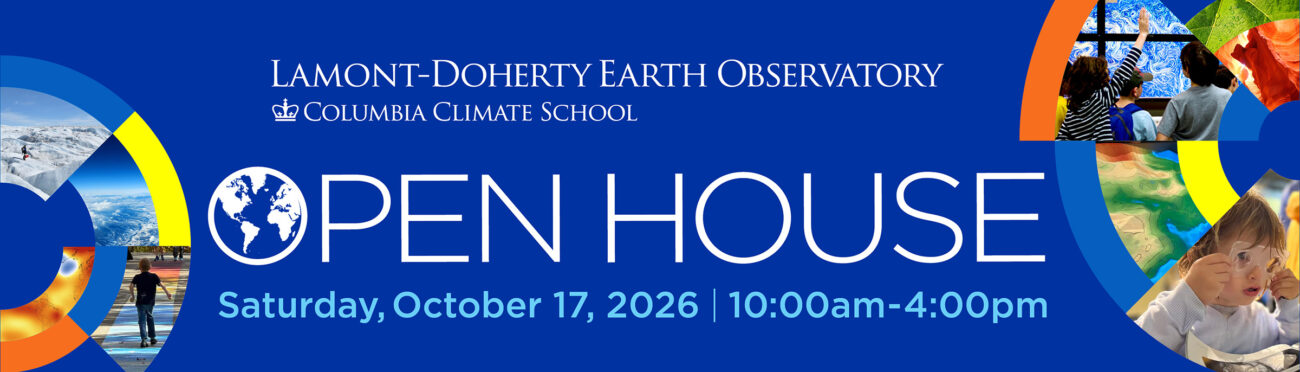
On Saturday, October 17, 2026 from 10am to 4pm, Lamont-Doherty Earth Observatory Open House—our biggest, best science fun and discovery event of the year—will take place on our beautiful campus in Palisades, NY. Mark your calendar and join us for this free, family-friendly celebration of science! RSVP Today!
