Climate146
-
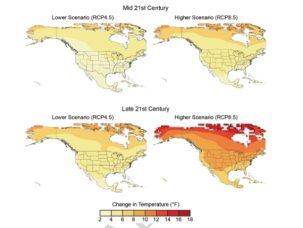
National Climate Report: Q&A With Authors
Every four years Congress is provided with a state-of-the-art report on the impacts of climate change on the United States. The next National Climate Assessment is scheduled for 2018, but its scientific findings are scheduled to be published today. Here, two of its authors explain what to expect.
-

Settling in at McMurdo Station in Antarctica
Even though our tent is within a short drive of McMurdo (a small town with most of the safety and logistical equipment on the entire continent), we still need to prepare ourselves for sudden, extreme weather. Every time we leave the relative safety of McMurdo, we carry our Extreme Cold Weather equipment and our tent…
-

By 2100, Climate Change Could Alter Key Microbial Interactions in the Ocean
The warmer, more acidic waters caused by climate change influence the behavior of tiny marine organisms essential to ocean health.
-

In Biblical Land, Searching for Droughts Past and Future
Human-influenced climate warming has already reduced rainfall and increased evaporation in the Mideast, worsening water shortages. Up to now, climate scientists had projected that rainfall could decline another 20 percent by 2100. But the Dead Sea cores suggest that things could become much worse, much faster.
-

Photo Essay: The Dead Sea, Living Waters and Megadrought
Thousands of years before Biblical times, during a period when temperatures were unusually high, the lands around the Dead Sea now occupied by Israel, Jordan and surrounding nations suffered megadroughts far worse than any recorded by humans. Warming climate now threatens to return such conditions to this already hard-pressed region.
-

Improving Tools for Predicting Wildfires
During a conference at Columbia University, scientists pinpointed areas where advances in fire prediction can be made within the next decade.
-

Can Fossil Fuel Companies Be Held Liable For Climate Change?
Like Big Tobacco, fossil fuel companies have knowingly sold a product that causes harm while covering up and distorting the truth. Can they be sued for climate-related damages?
-

What’s a Few Days’ Delay When Preparing to Visit a 33 Million-Year-Old Ice Sheet?
With the Rosetta-Ice team delayed in New Zealand, let’s take a minute to discuss why Antarctica’s weather is so forbidding.
-

Ice Sheets May Melt Rapidly in Response to Distant Volcanoes
A study of ancient eruptions shows modern ice sheets could be vulnerable.


The first Earth Day in 1970 ignited a movement to stop polluting our planet. Today, our scientists and experts are tackling the most pressing challenges to achieve real-world impact. This Earth Day, join us in our commitment to realizing a just and sustainable future for our planet. Visit our Earth Day website for ideas, resources, and inspiration.
