Climate211
-

Latest Environmental Performance Index Introduces New Indicators
Innovations in the 2014 EPI include a new wastewater treatment indicator; a new approach to climate change indicators; and two new satellite-derived indicators for air quality and forests.
-

Earth’s Climate History, Written in Dust
Dust blowing onto the oceans can help algae grow and pull CO2 out of the atmosphere. It influences the radiative balance of the planet by reflecting sunlight away. Scientists want to know what role this plays in the coming and going of the ice ages, and how it affects our climate.
-

2013 Ranks in Top 10 Warmest Years
Last year was one of the warmest on record, according to analyses of global temperature data by NASA and NOAA. Both federal agencies placed 2013 among the top 10 warmest years since records began in 1880, continuing a longer-term trend of global warming.
-

New Initiative to Focus on Climate and Extreme Weather
Superstorm Sandy expert Adam Sobel is getting ready to launch a new initiative on extreme weather, thanks to a €250,000 two-year AXA Award in Climate and Extreme Weather he has just received from the AXA Research Fund.
-

Why Do We Run Hot and Cold on Climate Change?
People’s views on climate seem easily swayed, or in some cases manipulated, by daily weather. In a new study, researchers drilled into what goes on in people’s minds when they respond to these smaller-scale stimuli.
-

Lamont-Doherty Dedicates New Geochemistry Facility
In late 2013, the dream of creating a uniquely powerful facility for the Lamont-Doherty Geochemistry Division became a reality upon completion of the Comer Building’s Ultra Clean Laboratory. On the afternoon of November 20th, this new laboratory was dedicated in front of an audience of Observatory Advisory Board members, donors, scientists and other members of…
-
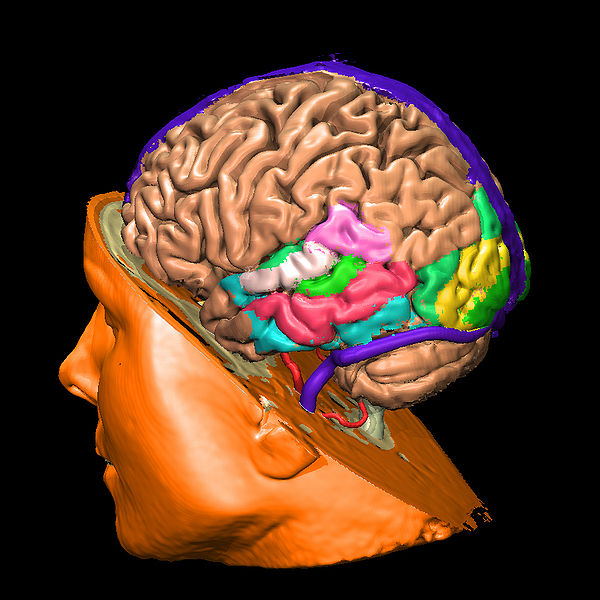
Psychology of Environmental Decision Making and Sustainable Behavior
Countries vary dramatically in their records of environmental responsibility. Some nations such as Switzerland and Norway are well known for their willingness to sacrifice for the future good, while countries such Iraq and South Africa lag far behind. There are certainly socio-economic reasons for these stark differences, but is it also possible that human psychology…
-

Can Eco-Tourism Lead to an ‘Eco-Civilization’?
Does blending a group of respected business professionals, academics, spiritual leaders, media, policy specialists and artists in a custom eco-tourism experience provide a pathway to developing a passionate and committed group of individuals?
-

Why Conservation is Not Condescension: A Case Against Eco-imperialism
Western ecologists and conservationists have been portrayed at times as modern imperialists, forcefully imposing a radical ideology of environmentalism on the developing world. These so-called “eco-imperialists” are depicted as arrogant and uncaring elites, concerned with the protection of pristine nature, but indifferent to human welfare. But the future of wild places is entwined with human…


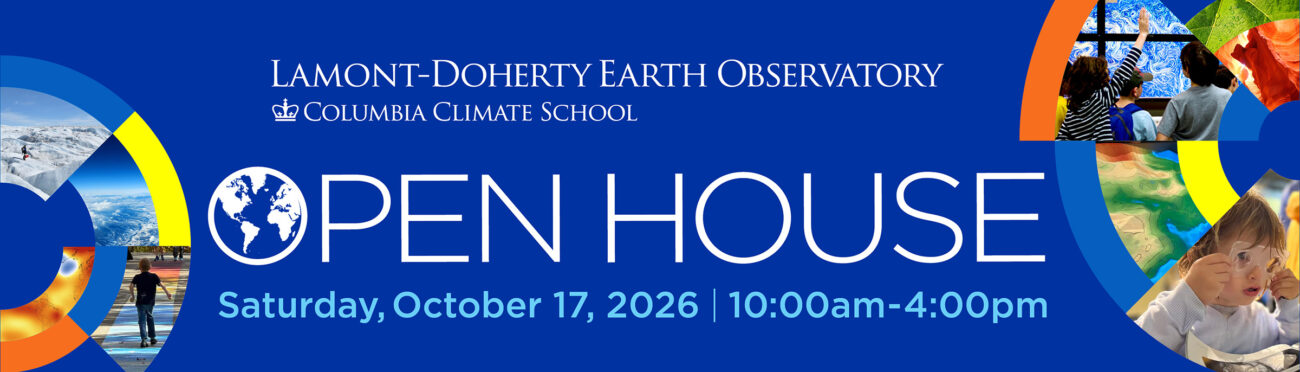
On Saturday, October 17, 2026 from 10am to 4pm, Lamont-Doherty Earth Observatory Open House—our biggest, best science fun and discovery event of the year—will take place on our beautiful campus in Palisades, NY. Mark your calendar and join us for this free, family-friendly celebration of science! RSVP Today!
