Climate91
-
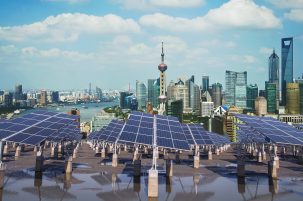
Is China Still a Developing Country? And Why It Matters for Energy and Climate
Understanding the nature and implications of China’s unique status can help in designing energy and climate policies, and promoting sustainable growth.
-

Pasang Dolma Sherpa, Indigenous Peoples Representative to the U.N., Speaks With GlacierHub
Around the world, Indigenous communities are losing their lands, livelihoods and culture to climate change. Sherpa is fighting to bring their voices to the United Nations.
-

Genetics Could Protect Coral Reefs from Global Warming
A Columbia study provides a blueprint for the use of genomics to help combat climate change.
-

Groundbreaking Project Will Drill Into Bedrock Below Greenland Ice to Understand Past and Future Melting
GreenDrill promises to reveal the ice sheet’s past in unprecedented detail and enable more accurate predictions of how it may add to rising seas in the 21st century.
-

Capturing the North Cascades
Photographer Stephen Matera talks to GlacierHub about his series of photographs on the Washington State mountain range.
-

Why Do We Need a Climate School?
Climate change is already part of the curricula across Columbia, but we can make a bigger difference by working together.
-

Understanding and Predicting Hurricanes in a Warmer World
Scientists at Lamont-Doherty Earth Observatory use models and observations to understand tropical storms and advance the science of predicting them.
-

Columbia to Establish a Climate School to Meet the Challenges of a Warming World
The Columbia Climate School will provide the education, research and global partnerships needed to create and maintain a sustainable society.
-

Malgosia Madajewicz Studies How Communities Make Decisions in the Face of Rising Seas
The development economist thinks that understanding the factors that influence climate adaptation decisions will be key to building a more resilient future.


The first Earth Day in 1970 ignited a movement to stop polluting our planet. Today, our scientists and experts are tackling the most pressing challenges to achieve real-world impact. This Earth Day, join us in our commitment to realizing a just and sustainable future for our planet. Visit our Earth Day website for ideas, resources, and inspiration.
