Earth Sciences34
-

Kevin Uno: Examining How Early Humans Responded to Climate Change
Kevin Uno, a Center for Climate and Life Fellow, studies how abrupt changes in climate affected Neolithic human settlement, diet, and abandonment in northwest Africa.
-

Shifts in Deep Geologic Structure May Have Magnified Great 2011 Japan Tsunami
A new study looks at why the 2011 Tohoku tsunami off Japan was unexpectedly huge.
-

Greenland Rising: The Future of Greenland’s Waterfront
While much of the world is planning for flooding and inundation from changes in sea level, Greenland is facing a much different future.
-

Pioneer in Charting Modern Sea Level Rise to Receive 2020 Vetlesen Prize
A scientist who has played a key role in documenting modern sea level rise and its causes is to receive the 2020 Vetlesen Prize for achievement in the earth sciences.
-

Completing My Fieldwork and Returning to Dhaka
My last days in the field brought us to monuments in a makeshift home near the ocean, a flooded field next to a school, and adjacent to a jute mill. Most of us now head back to Dhaka, the capital. Céline will stay on a few more days, then Hasnat with Saif and Nahin will…
-

Long Days in the Field in Southern Bangladesh
We continued our GPS surveys of monuments to measure land subsidence. While the work general went very well, we faced challenges from obscured or tilted monuments. We also struggled with large traffic delays, particularly at unpredictable ferry crossings.
-

Installing GPS Around Barisal, Bangladesh
Getting to remote sites started to prove challenging, and involved many forms of transportation by land and water.
-

Evolving Landscape Added Fuel to Gobi Desert’s High-Speed Winds
A new study uncovers a previously undocumented relationship between erosion and wind speed.
-

Bushfires in Australia Continue to Devastate New Zealand Glaciers
Smoke and ash from Australia’s devastating fires pose a significant threat to New Zealand’s glaciers.


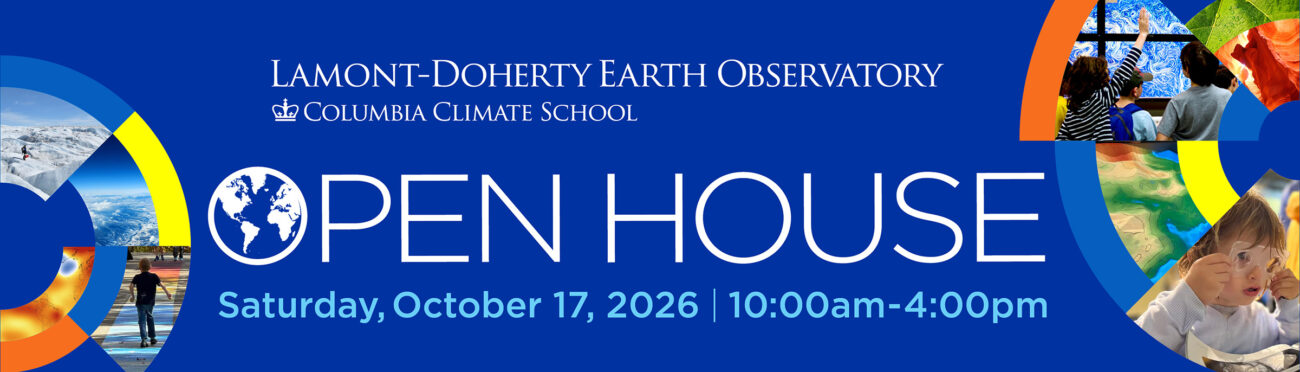
On Saturday, October 17, 2026 from 10am to 4pm, Lamont-Doherty Earth Observatory Open House—our biggest, best science fun and discovery event of the year—will take place on our beautiful campus in Palisades, NY. Mark your calendar and join us for this free, family-friendly celebration of science! RSVP Today!
