Ecology27
-
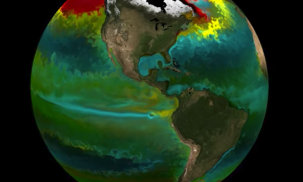
By 2100, Climate Change Could Alter Key Microbial Interactions in the Ocean
The warmer, more acidic waters caused by climate change influence the behavior of tiny marine organisms essential to ocean health.
-

Improving Tools for Predicting Wildfires
During a conference at Columbia University, scientists pinpointed areas where advances in fire prediction can be made within the next decade.
-

Under the Sea Ice, Behold the Ancient Arctic Jellyfish
A video reveals mature jellyfish under the Arctic sea ice, where they aren’t supposed to be.
-

World Leaders Discuss a Global Pact for the Environment
A conference at Columbia University yielded consensus on the need for an international environmental agreement, and advanced discussion on what that agreement could look like.
-

How Will Climate Change Impact Ocean Health?
Three scientists explain what they’re learning about the ocean’s changing conditions. These discoveries will contribute to the sustainable management and conservation of marine resources, helping to secure food for current and future generations.
-

Climate May Quickly Drive Forest-Eating Beetles North, Says Study
Over the next few decades, global warming-related rises in winter temperatures could significantly extend the range of the southern pine beetle, one of the world’s most aggressive tree-killing insects, through much of the northern United States and southern Canada, says a new study.
-

New York’s Waterways Are Swimming in Plastic Microbeads
Plastic microbeads, common in soap, toothpaste and other consumer products, are flooding waters. A team from Lamont-Doherty Earth Observatory is doing the first large-scale assessment of their impact on New York’s waterways.
-

Fighting Ivory Trafficking with Forensic Science
Last week, just days before Central Park’s big Ivory Crush, a Lamont-Doherty geochemist and his colleague sawed off samples of the confiscated ivory for DNA testing and radiocarbon dating. Their results could determine where and when each elephant was killed—which could help catch the poachers responsible.
-

Photo Essay: When People Must Make Way for Nature
The forested Kanha Tiger Reserve, in the highlands of central India, is home to an abundance of rare wildlife. It also used to be home to thousands of people—that is, until they were moved out by the government to make way for endangered creatures.


October 28, 2026 is Columbia Giving Day! Your gift to Columbia Climate School helps advance interdisciplinary research, educate the next generation of leaders, and transform bold ideas into real-world solutions for climate, Earth, and society.
