State of the Planet

News from the Columbia Climate School

Ecology57

  • One Billion Gallons a Day, Naturally

    One Billion Gallons a Day, Naturally

    If not for the amazing feats of planning and engineering that provide access to clean water, New York City would never have become the essential node in the many meshworks of the world that it is today.

  • African Forests, Threatened, but Resilient

    African Forests, Threatened, but Resilient

    Forests and climate change are fundamentally interrelated.  Forests play a role in mitigating climate change by trapping and storing carbon in their trees.  Currently, the world’s forests and forest soils store more than one trillion tons of carbon – twice the amount in the atmosphere. The African continent is home to 30% of the world’s…

  • Does La Niña Lead to Flu Pandemics?

    Does La Niña Lead to Flu Pandemics?

    Four major flu pandemics of the last century, including the deadly 1918 flu, were all proceeded by La Niña conditions in the Pacific, according to a recent paper.

  • Online Course – Introduction to Environmental Policy

    Online Course – Introduction to Environmental Policy

    We are excited to let you know that CERC is offering a piloted version of Introduction to Environmental Policy online as part of our Executive Education Program in Conservation and Environmental Sustainability.

  • E-Waste Recycling Day

    E-Waste Recycling Day

    Join the E-Waste Recycling event on January 22, 2012 from 10:00am-4:00pm at two west side locations near Central Park.

  • Ecosystem Services for Conservation

    Ecosystem Services for Conservation

    Register for Ecosystem Services for Conservation and Poverty Reduction.

  • Evolutionary Psychology of Climate Change

    Evolutionary Psychology of Climate Change

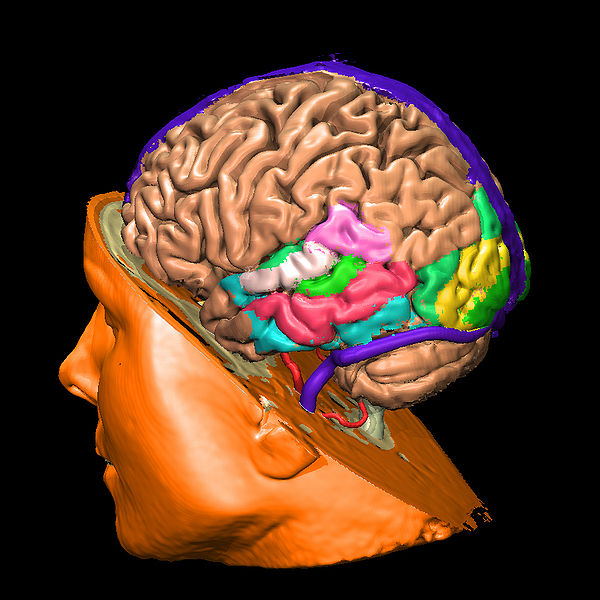
    Why haven’t we rallied our collective power to mitigate climate change? Daniel Gilbert, a professor of psychology at Harvard University, argues that human brains evolved to respond to threats that have four features, ones that global warming lack.

  • China’s Long March Towards Better Environmental Conditions

    China’s Long March Towards Better Environmental Conditions

    The first independent analysis of China environmental data at the sub-national level by an international team aims to help guide the development of policies addressing environmental challenges created by China’s rapid growth.

  • New Executive Courses in Conservation, Sustainability

    New Executive Courses in Conservation, Sustainability

    The Center for Environmental Research and Conservation at Columbia University provides professionals with the knowledge and tools to be effective environmental leaders and decision makers in the 21st century. It is an evening program in which environmental issues are discussed, debated and examined, where participants develop an in-depth understanding of conservation science and practice through…

Banner with images representing environmental issues and text "You Asked: Our Scientists and Experts Answer Your Burning Questions."

You Asked invites you to share your most pressing questions about climate, science, and sustainability. Lamont-Doherty Earth Observatory and Columbia Climate School experts will respond with clear, evidence-based answers. Pose your questions and story ideas!

  • One Billion Gallons a Day, Naturally

    One Billion Gallons a Day, Naturally

    If not for the amazing feats of planning and engineering that provide access to clean water, New York City would never have become the essential node in the many meshworks of the world that it is today.

  • African Forests, Threatened, but Resilient

    African Forests, Threatened, but Resilient

    Forests and climate change are fundamentally interrelated.  Forests play a role in mitigating climate change by trapping and storing carbon in their trees.  Currently, the world’s forests and forest soils store more than one trillion tons of carbon – twice the amount in the atmosphere. The African continent is home to 30% of the world’s…

  • Does La Niña Lead to Flu Pandemics?

    Does La Niña Lead to Flu Pandemics?

    Four major flu pandemics of the last century, including the deadly 1918 flu, were all proceeded by La Niña conditions in the Pacific, according to a recent paper.

  • Online Course – Introduction to Environmental Policy

    Online Course – Introduction to Environmental Policy

    We are excited to let you know that CERC is offering a piloted version of Introduction to Environmental Policy online as part of our Executive Education Program in Conservation and Environmental Sustainability.

  • E-Waste Recycling Day

    E-Waste Recycling Day

    Join the E-Waste Recycling event on January 22, 2012 from 10:00am-4:00pm at two west side locations near Central Park.

  • Ecosystem Services for Conservation

    Ecosystem Services for Conservation

    Register for Ecosystem Services for Conservation and Poverty Reduction.

  • Evolutionary Psychology of Climate Change

    Evolutionary Psychology of Climate Change

    Why haven’t we rallied our collective power to mitigate climate change? Daniel Gilbert, a professor of psychology at Harvard University, argues that human brains evolved to respond to threats that have four features, ones that global warming lack.

  • China’s Long March Towards Better Environmental Conditions

    China’s Long March Towards Better Environmental Conditions

    The first independent analysis of China environmental data at the sub-national level by an international team aims to help guide the development of policies addressing environmental challenges created by China’s rapid growth.

  • New Executive Courses in Conservation, Sustainability

    New Executive Courses in Conservation, Sustainability

    The Center for Environmental Research and Conservation at Columbia University provides professionals with the knowledge and tools to be effective environmental leaders and decision makers in the 21st century. It is an evening program in which environmental issues are discussed, debated and examined, where participants develop an in-depth understanding of conservation science and practice through…